Ballet bun hairstyles represent one of the most recognizable and structured hair arrangements in dance and performance styling. These hairstyles gather the hair tightly into a rounded bun positioned near the crown or slightly lower at the back of the head. The purpose of a ballet bun is both practical and aesthetic. It keeps hair securely away from the face while creating a clean, elegant silhouette that complements the graceful movements of ballet dancers. Because of this refined appearance, ballet buns have also become popular beyond dance studios. They now appear frequently in Pinterest ideas related to beauty inspiration, minimalist style, and formal hairstyles.
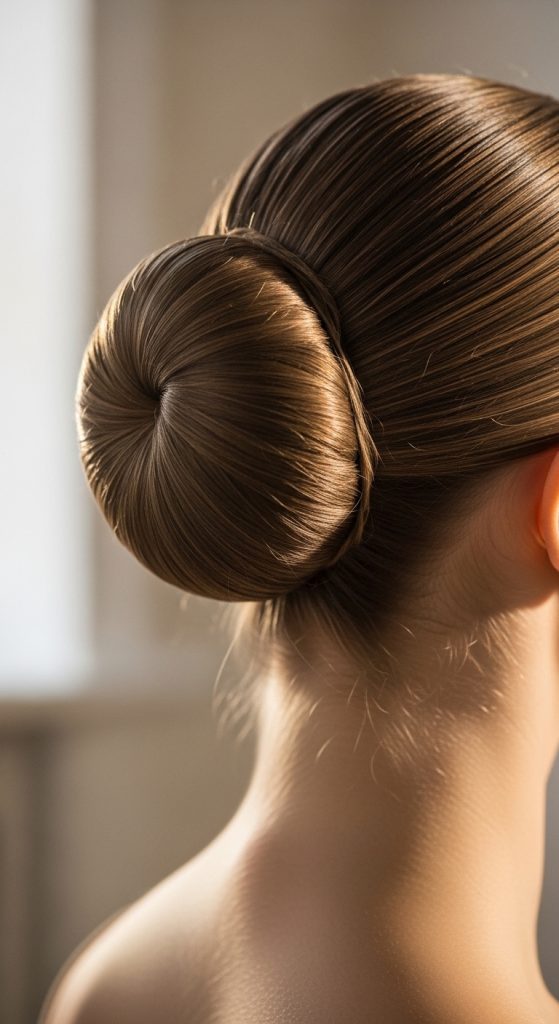
This article explores ten ballet bun hairstyle ideas that combine the traditional dance aesthetic with modern styling variations. Each idea explains how the bun structure works and how the hairstyle can be created using clear step by step methods. These styles range from classic tight ballet buns to softer variations with twists, braids, or subtle texture.
Ballet bun hairstyles are useful because they provide both organization and elegance. The style keeps hair controlled during physical activity while maintaining a polished appearance. With the right preparation and technique, these hairstyles can be recreated at home as an easy project. The ideas presented here offer creative inspiration while preserving the clean structure that defines ballet hair styling.
Why This Idea Is Trending or Useful
Ballet bun hairstyles remain popular across Pinterest inspiration boards because they combine simplicity with sophistication. The clean structure of the bun highlights facial features and creates a balanced hairstyle that works in both casual and formal environments. Unlike many complex hairstyles, a ballet bun relies on precise gathering and secure placement rather than elaborate decoration. This minimalist structure aligns well with modern design preferences that emphasize clean lines and organized aesthetics.
Another reason these hairstyles continue to trend is their practicality. Ballet buns keep hair securely in place for extended periods. This feature is especially useful during physical activities such as dance, exercise, or professional tasks where loose hair could become distracting. The bun also protects the hair from tangling by keeping it neatly gathered.
The DIY appeal of ballet bun hairstyles further contributes to their popularity. Many individuals can recreate the style with basic tools and simple step by step techniques. Hair ties, pins, and brushes are usually the only materials required. This accessibility makes ballet buns beginner friendly while still allowing room for creative variations such as braided or twisted designs.
The polished aesthetic of ballet buns also photographs well. The smooth shape and symmetrical structure create a visually pleasing hairstyle that often appears among trending ideas in beauty and fashion content.
Materials and Preparation
Preparing to create a ballet bun hairstyle requires organizing a few essential materials and ensuring that the hair is smooth and manageable. The most important preparation step is detangling the hair thoroughly. Smooth hair allows the bun to form evenly and helps maintain the sleek appearance associated with ballet styling. Washing and conditioning the hair beforehand can improve manageability and reduce frizz.
Common materials used for ballet bun hairstyles include hair ties, bobby pins, hairpins, and a smoothing brush. These tools help gather the hair securely and maintain the bun’s structure. Some individuals also use hair nets to cover the bun, which helps keep smaller strands in place and creates a polished finish.
A rat-tail comb can be useful for creating clean part lines or smoothing the hair toward the bun. Lightweight hair gel or styling cream may also be used to reduce flyaway strands and enhance the sleek appearance of the hairstyle.
Preparation also involves deciding the placement of the bun. Traditional ballet buns are positioned at the back of the head aligned with the ears. However, variations may place the bun slightly higher or lower depending on the desired look.
Once the hair is detangled and gathered into the chosen position, the bun can be formed by twisting or wrapping the hair and securing it with pins.