10 Haircut Ideas For Short Hair

 SAVE TO PINTEREST
Short haircuts continue to grow in popularity because they combine practicality with modern style. Many Pinterest ideas highlight short haircuts that offer clean shapes, textured layers, and versatile styling possibilities. Short hair is defined as hair that generally falls between a pixie length and slightly above the shoulders. Within this range, many creative haircut designs can enhance facial features while remaining easy to maintain. These haircut ideas often focus on shape, layering, and texture to create movement and visual balance.
Short hairstyles are useful for people who want manageable hair that still looks stylish and well structured. A well designed short haircut can create volume, highlight facial features, and produce a balanced silhouette. Many modern haircut trends also emphasize natural texture and layered structures that give short hair an aesthetic appearance.
This article presents ten haircut ideas designed specifically for short hair. Each haircut concept explains the design structure and how the haircut is created or styled. These haircut ideas provide practical inspiration for individuals seeking modern short hairstyles that combine functionality, creative design, and everyday manageability.
Why This Idea Is Trending or Useful
Short haircuts frequently appear among trending ideas on Pinterest because they align with modern preferences for convenience and minimal maintenance. Many people prefer hairstyles that require less daily styling while still maintaining a polished appearance. Short haircuts often provide this balance because the reduced length allows for faster styling routines and easier care.
Another reason these haircut ideas remain popular is their adaptability to different face shapes and hair textures. Layered short haircuts can be adjusted to add volume, remove bulk, or emphasize natural waves. These adjustments allow the haircut to complement individual facial features and personal style.
Short hairstyles also support contemporary design aesthetics. Clean lines, textured layers, and asymmetrical shapes often appear in modern haircut inspiration. These design elements create dynamic hairstyles that look structured without appearing overly complex.
Accessibility also contributes to the popularity of short haircut ideas. Many of these hairstyles can be styled with basic tools such as brushes, blow dryers, or simple styling products. Because of this simplicity, short haircuts remain beginner friendly and widely shared as creative inspiration for everyday hair styling.
Materials and Preparation
Preparing for a short haircut requires proper planning and understanding of the desired final shape. Before cutting, the hair should be clean and detangled. Washing the hair allows stylists to see the natural texture clearly and ensures accurate sectioning during the cutting process.
Several tools are commonly used when creating short haircuts. These tools include professional scissors, thinning shears, fine tooth combs, sectioning clips, and spray bottles for maintaining moisture while cutting. These tools help create precise shapes and layered textures.
Planning the haircut structure is an important step before beginning the cutting process. Reviewing hairstyle inspiration can help determine whether the haircut should include layers, textured edges, or structured shapes. Understanding the desired outcome helps guide the stylist when shaping the hair.
Sectioning the hair carefully ensures balanced results. Dividing the hair into organized sections allows each portion to be cut evenly while maintaining symmetry. Proper preparation ensures that the haircut process remains controlled and that the final hairstyle appears polished and balanced.
Main Ideas
Idea 1: Classic Pixie Cut
 SAVE TO PINTEREST
How to Create
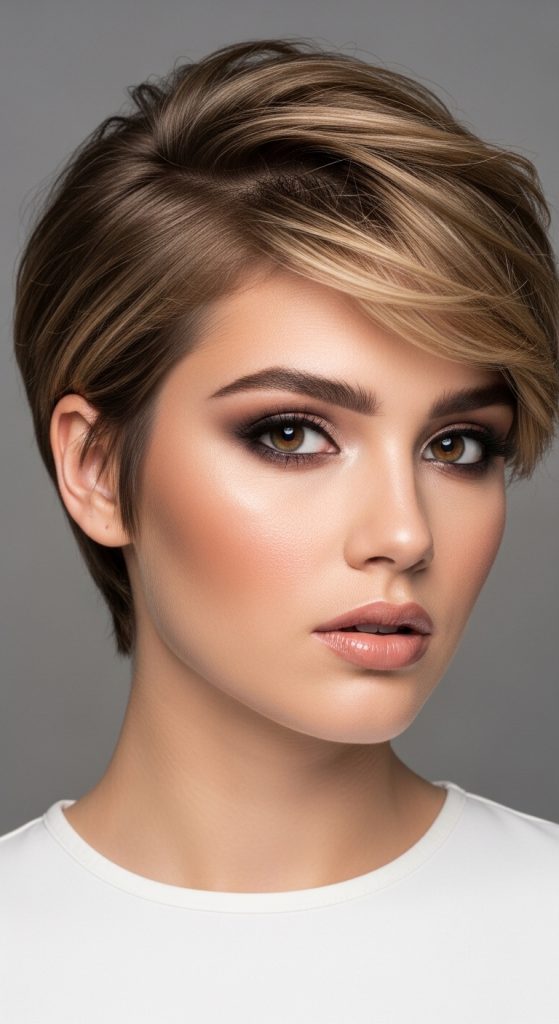
The classic pixie cut is one of the most recognizable short haircuts. This hairstyle keeps the hair close to the head while maintaining slightly longer layers on top. The short sides and back create a clean structure, while the top layers allow flexibility for styling and volume.
The design concept behind a pixie cut focuses on simplicity and structure. Because the hair is short, the haircut emphasizes facial features such as the eyes, cheekbones, and jawline. This makes the pixie cut particularly effective for creating a bold and modern appearance.
Texture also plays an important role in this hairstyle. Rather than cutting the hair uniformly, small layers are introduced to prevent the haircut from appearing flat. These layers add dimension and movement to the top of the head.
Pixie cuts frequently appear among Pinterest ideas because they combine modern design with minimal maintenance. The haircut requires limited styling time while still offering a polished aesthetic.
Step-by-Step Guide
Begin by sectioning the hair into top, side, and back sections. The stylist first trims the hair at the nape and sides, keeping these areas shorter to establish the base structure of the pixie cut.
Next, the top layers are trimmed slightly longer. The stylist uses point cutting techniques to create texture rather than blunt edges.
After cutting, the hair is dried using a blow dryer while lifting the top layers to create volume. Styling cream or lightweight wax may be applied to define the texture.
The finished pixie cut creates a modern short hairstyle that highlights facial features while remaining easy to maintain.
Idea 2: Textured Short Bob
How to Make
 SAVE TO PINTEREST
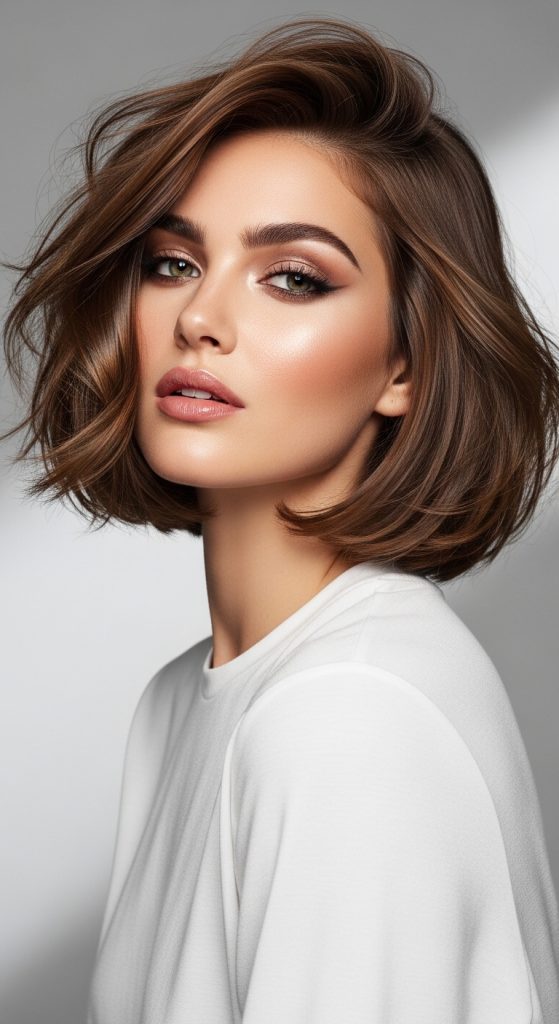
A textured short bob is a versatile haircut that typically ends between the chin and the jawline. Unlike traditional blunt bobs, this version includes soft layers that add movement and prevent the hair from appearing heavy.
The concept behind the textured bob focuses on creating dimension through layering. These layers allow the hair to move naturally while maintaining the clean outline associated with bob haircuts. The result is a hairstyle that appears structured yet dynamic.
Short bob hairstyles are particularly adaptable because they can be styled straight, wavy, or slightly tousled. This flexibility allows the haircut to suit various hair textures and personal preferences.
Many trending ideas on Pinterest highlight textured bobs because they offer a balance between sophistication and effortless style.
Step-by-Step Guide
Start by establishing the base length slightly below the chin. The stylist cuts the hair evenly around the head to create the foundation of the bob shape.
Next, subtle layers are introduced throughout the hair. These layers reduce weight and encourage natural movement.
After cutting, the hair is blow dried using a round brush to shape the ends inward slightly. This enhances the structure of the bob.
Light styling products may be applied to emphasize the texture and maintain the hairstyle throughout the day.
Idea 3: Short Layered Cut
 SAVE TO PINTEREST
How to Create
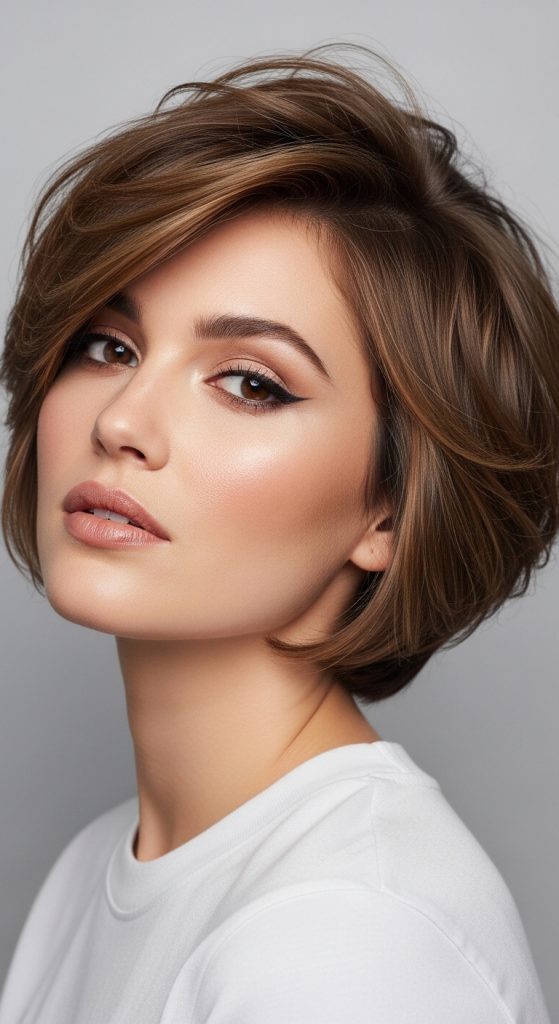
A short layered haircut introduces multiple lengths throughout the hair to create volume and movement. This design prevents short hair from appearing flat by distributing weight across different sections.
The layered structure also allows the haircut to adapt to different hair textures. Straight hair gains dimension, while wavy hair develops enhanced texture.
Short layered cuts appear frequently in Pinterest ideas because they create dynamic hairstyles that remain easy to style.
Step-by-Step Guide
The stylist begins by determining the overall length of the haircut. Layers are then introduced gradually by lifting sections of hair and trimming them at angles.
After cutting, the hair is styled using a blow dryer to emphasize volume and texture.
Idea 4: Asymmetrical Short Bob
How to Create
 SAVE TO PINTEREST
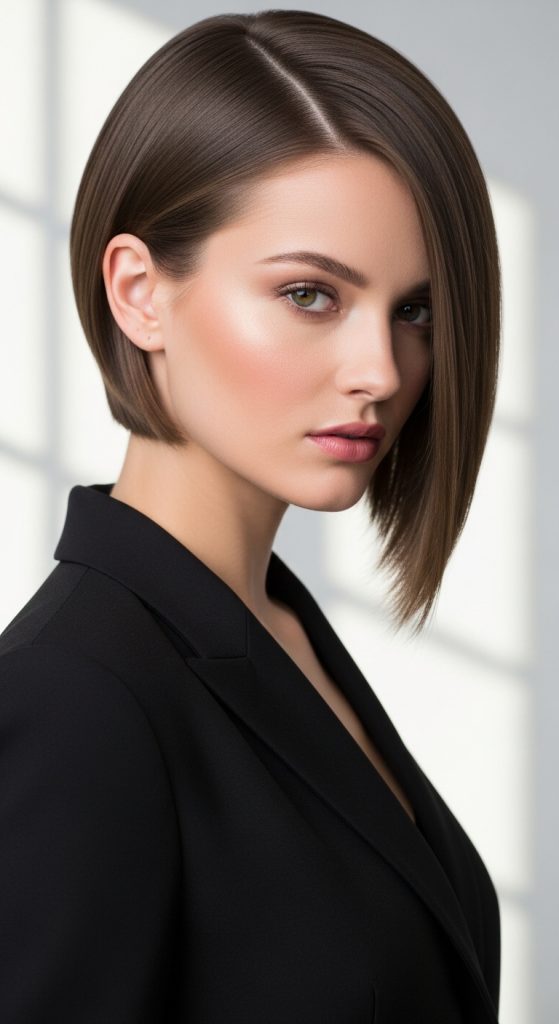
An asymmetrical bob features one side slightly longer than the other. This uneven design introduces visual interest and modern structure.
The asymmetry creates a diagonal line that draws attention downward and adds movement.
Step-by-Step Guide
The stylist cuts a standard bob length before adjusting one side to be slightly longer.
The hair is styled straight to highlight the asymmetrical structure.
Idea 5: Short Shag Haircut
 SAVE TO PINTEREST
How to Make
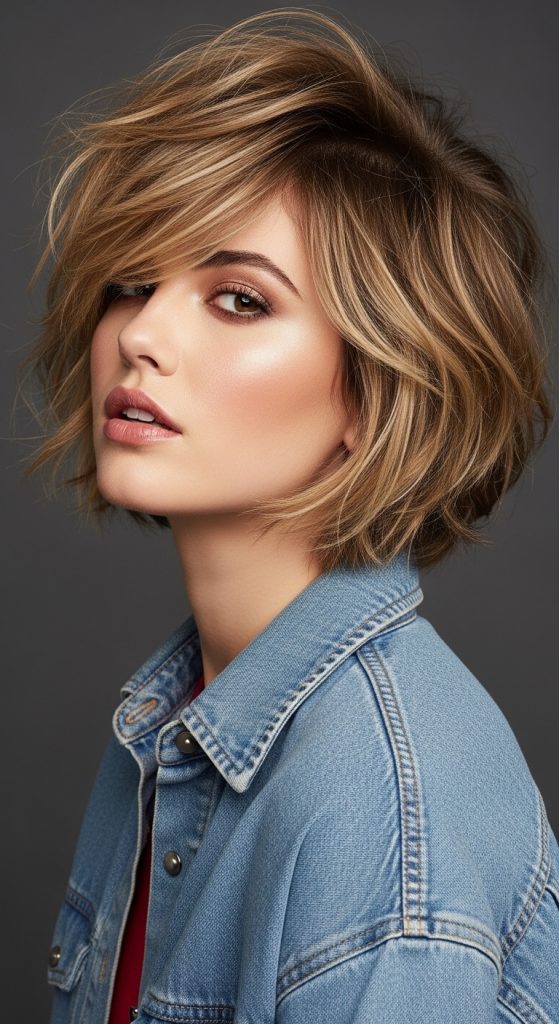
A short shag haircut features layered sections and textured ends that create a relaxed and modern appearance. The haircut includes uneven layers that add movement and prevent the hair from appearing too structured.
The concept behind the shag haircut is controlled texture. Instead of maintaining uniform lengths, the stylist introduces varied layers that encourage natural flow throughout the hairstyle. This design gives the hair a light, airy appearance.
Short shag haircuts are frequently included in Pinterest ideas because they combine effortless styling with contemporary aesthetics. The layered structure works well with straight, wavy, or slightly curly hair textures.
Another advantage of the shag haircut is its ability to create volume at the crown. This height adds dimension and ensures the hairstyle maintains a balanced silhouette.
Step-by-Step Guide
Begin by establishing the overall length of the haircut near the jawline or slightly above the shoulders. This base length determines the general shape of the hairstyle.
Next, the stylist introduces multiple layers using point cutting techniques. These layers should vary in length to create texture and prevent blunt edges.
After cutting, the hair is dried using a blow dryer while lifting sections near the crown. This enhances the natural layered structure.
Light styling cream can be applied to define the layers and emphasize the shag texture. The finished haircut appears relaxed yet structured.
Idea 6: Blunt Short Bob
How to Create
 SAVE TO PINTEREST
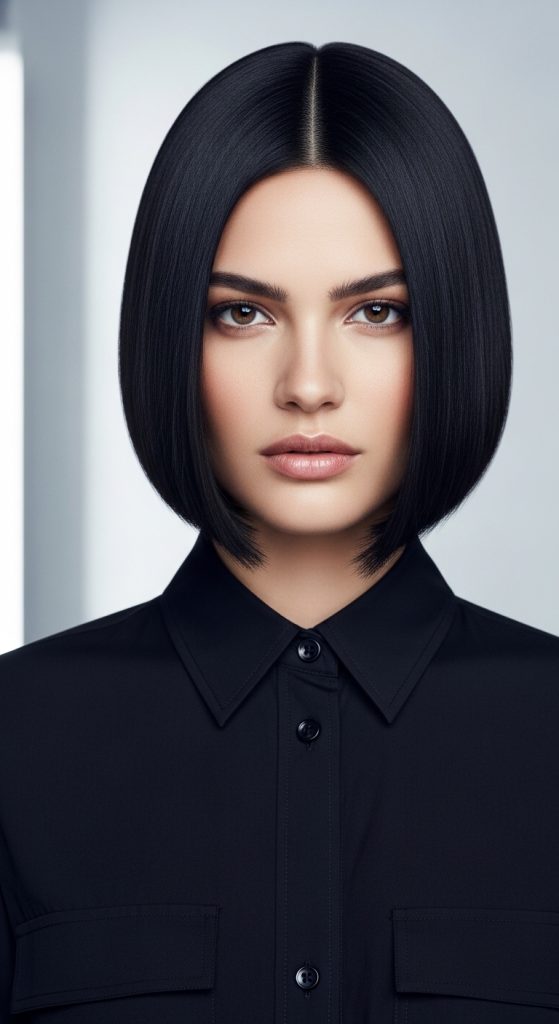
The blunt short bob is a structured haircut defined by a straight, even edge along the bottom of the hair. Unlike layered hairstyles, this design focuses on clean lines and precise shape. The haircut usually ends between the chin and the jawline.
The concept behind a blunt bob is simplicity and precision. The even edge creates a sharp outline that gives the hairstyle a modern and polished appearance. Because the ends remain uniform, the haircut highlights the natural thickness of the hair.
Blunt bob haircuts are often featured among trending ideas because they align with minimalist design principles. The haircut appears sleek and organized without requiring complex styling.
This hairstyle works particularly well with straight or slightly wavy hair textures, as these textures help emphasize the clean structure of the cut.
Step-by-Step Guide
The stylist begins by sectioning clean damp hair into multiple layers. The base length is determined first, typically around the chin area.
Next, the hair is cut evenly across the bottom using straight cutting techniques. The stylist ensures both sides remain balanced to maintain symmetry.
After cutting, the hair is blow dried using a flat brush to create a smooth finish. A flat iron may be used to enhance the sleek appearance.
The final result is a blunt short bob that appears structured and modern.
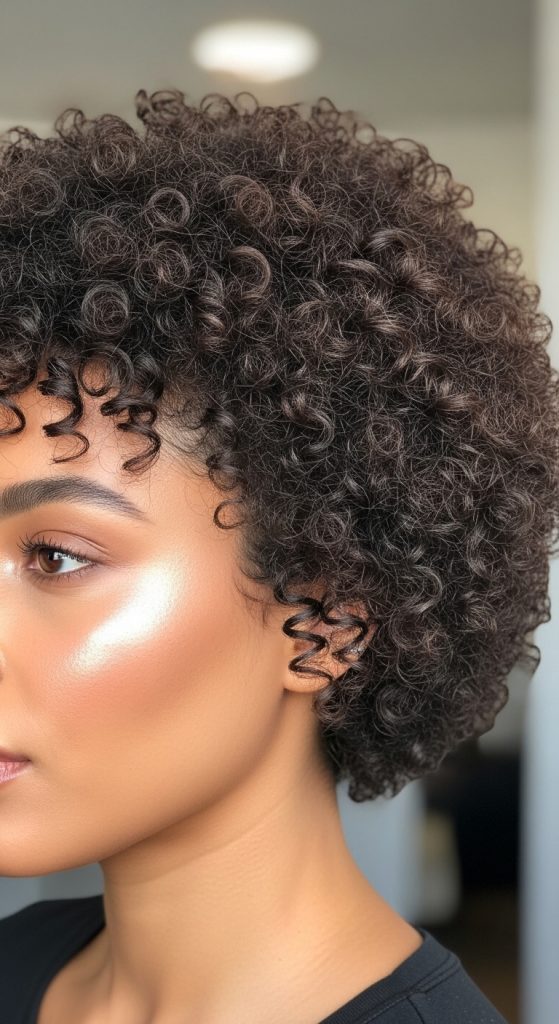
Idea 7: Short Curly Cut
 SAVE TO PINTEREST
How to Make
A short curly haircut is designed to enhance natural curl patterns while maintaining a balanced shape. This hairstyle focuses on shaping the curls so they fall evenly around the head without creating excessive volume in one area.
The concept behind a curly short haircut involves working with natural texture rather than reshaping it completely. Curly hair naturally forms volume, so careful layering helps control the shape and maintain movement.
Short curly hairstyles often appear in Pinterest ideas because they celebrate natural texture while remaining stylish and practical. When properly layered, curls can frame the face and create a dynamic silhouette.
This haircut also supports easy styling routines. Natural curls can be enhanced using simple drying techniques without extensive heat styling.
Step-by-Step Guide
Begin by cutting the hair while slightly damp or in its natural curl pattern. This allows the stylist to observe how the curls form naturally.
Layers are introduced gradually to remove excess bulk and shape the curls evenly around the head.
After cutting, the hair is dried using a diffuser attachment. This helps maintain curl definition and volume.
A light curl cream may be applied to enhance the natural curl pattern and maintain structure.
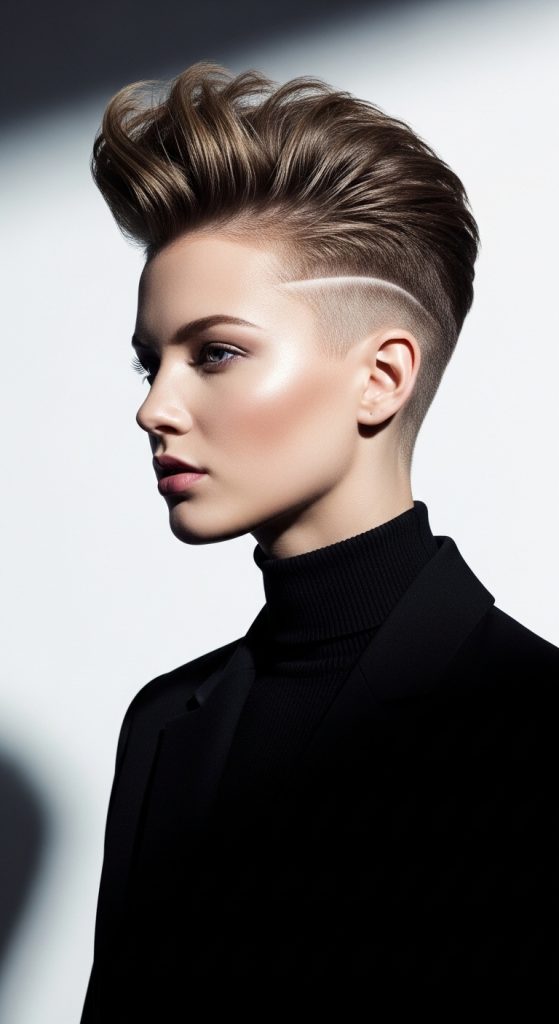
Idea 8: Short Undercut Style
How to Create
 SAVE TO PINTEREST
The short undercut hairstyle features closely trimmed hair underneath longer layers on top. This design introduces contrast between the top and lower sections of the hair, creating a bold and modern appearance.
The concept behind the undercut focuses on contrast and structure. The shaved or closely trimmed sides reduce bulk while the longer top layers provide styling flexibility. This combination creates a distinctive silhouette.
Undercut hairstyles frequently appear among modern haircut inspiration because they allow creative styling. The longer top layers can be styled upward, swept to the side, or left slightly textured.
This haircut is particularly suitable for individuals who prefer edgy hairstyles with clear structure.
Step-by-Step Guide
The stylist first trims or shaves the hair along the sides and back of the head to create the undercut base.
Next, the top section of hair is left longer and shaped with light layering. These layers provide flexibility for styling.
After cutting, the top layers are blow dried and styled according to preference. Texturizing products may be used to enhance movement.
The final result is a bold short haircut with strong contrast between sections.
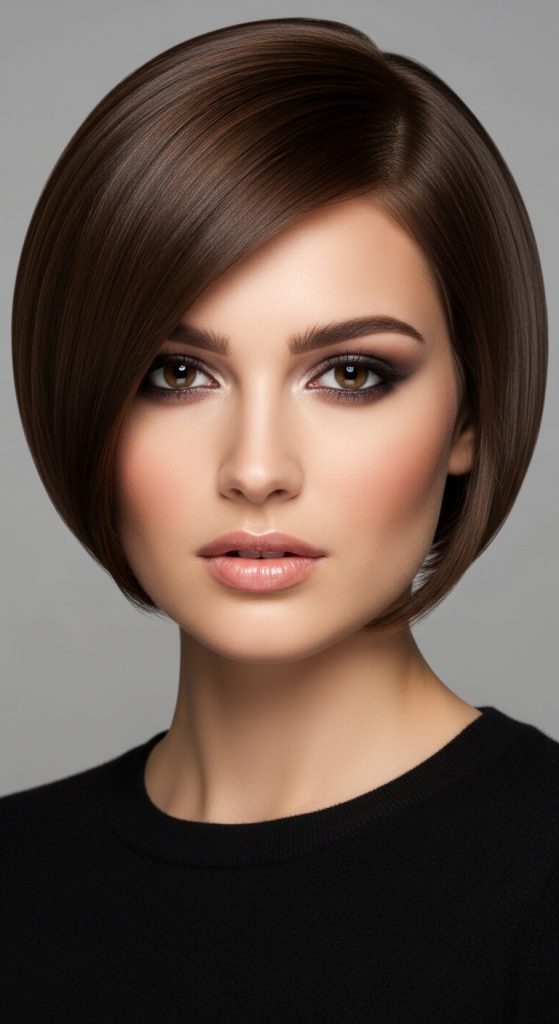
Idea 9: Short A-Line Bob
 SAVE TO PINTEREST
How to Make
An A-line bob is similar to an angled bob but features a more gradual transition from the back to the front. The hair is shorter at the back and gradually lengthens toward the front sections.
The design concept behind the A-line bob focuses on creating a gentle diagonal line that adds elegance to short haircuts. The longer front pieces frame the face while maintaining the structured outline of a bob.
A-line bobs frequently appear in Pinterest haircut inspiration because they offer a balance between classic and modern design. The haircut provides structure while still allowing movement.
This hairstyle works well with straight or lightly wavy textures.
Step-by-Step Guide
Begin by cutting the hair shorter at the nape of the neck. This establishes the base length for the haircut.
Next, the stylist gradually increases the length of each section moving toward the front of the head. This creates the characteristic A-line shape.
After cutting, the hair is blow dried using a round brush to emphasize the angled structure.
The finished hairstyle highlights the face while maintaining a polished silhouette.
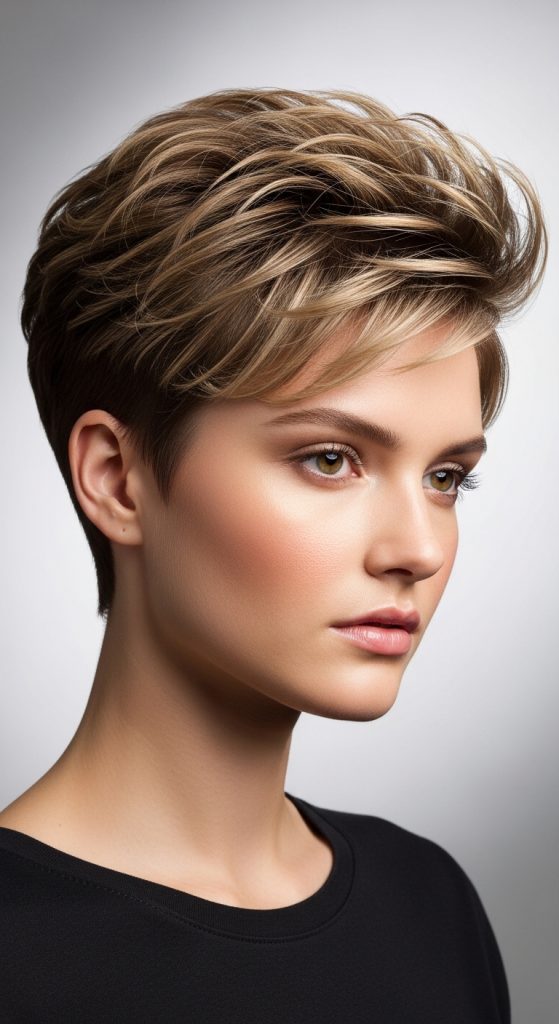
Idea 10: Tapered Short Haircut
How to Create
 SAVE TO PINTEREST
A tapered haircut gradually shortens the hair from the top of the head toward the neckline. This design produces a smooth transition between different hair lengths. The top remains slightly longer, while the sides and back taper neatly into shorter sections.
The concept behind the tapered haircut focuses on clean transitions and balanced proportions. The gradual shortening creates a refined appearance that looks organized and professional.
Tapered hairstyles appear frequently in modern haircut inspiration because they offer both structure and versatility. The longer top layers can be styled in multiple ways, including textured, smooth, or slightly lifted.
This haircut is suitable for individuals who prefer neat hairstyles that still allow creative styling options.
Step-by-Step Guide
The stylist begins by trimming the hair at the neckline to create the shortest point of the haircut. The hair gradually increases in length toward the crown.
Next, the top section is trimmed and lightly layered to provide styling flexibility.
After cutting, the hair is blow dried and styled to enhance the tapered transition.
The final hairstyle appears clean and balanced while maintaining modern styling potential.
Common Beginner Mistakes and How to Avoid Them
One common mistake when choosing short haircuts is selecting styles that do not match hair texture. Straight, wavy, and curly hair behave differently when cut short. Ignoring texture can lead to hairstyles that appear uneven or difficult to style. Evaluating natural hair texture before choosing a haircut helps ensure better results.
Another mistake involves removing too much length at once. Short haircuts change appearance quickly with small adjustments. Cutting gradually allows the stylist to maintain control over the final shape.
Improper layering is another issue. Excessive layers can cause short hair to appear thin or disorganized. Balanced layering maintains volume while preserving the haircut structure.
Finally, insufficient styling preparation can affect the final result. Proper drying techniques and minimal styling products help maintain the haircut’s intended shape.
Practical Tips for Better Results
Maintaining short haircuts requires regular trimming to preserve their structure. Most short hairstyles benefit from trims every few weeks to keep edges clean and layers balanced.
Volume can also improve the appearance of short haircuts. Lifting the roots during blow drying creates height and prevents the hair from appearing flat.
Texturizing techniques such as finger styling or light layering products can enhance movement without making the hair stiff.
Choosing styling techniques that match hair texture ensures the haircut remains manageable and visually balanced.
Styling, Presentation, or Organization Ideas
Short hairstyles often look best when styled with subtle texture and clean structure. Blow drying the hair with a round brush can help shape the layers and enhance the haircut design.
Hair accessories such as clips or headbands can also complement short hairstyles. These accessories should be placed carefully so they highlight the haircut rather than covering it.
Organizing styling tools before beginning the styling process helps maintain efficiency. Brushes, combs, and dryers should be arranged so they remain easily accessible.
Budget or Time Planning
Short haircuts often require more frequent trims than longer hairstyles. Planning regular maintenance appointments helps maintain the haircut’s shape.
However, short hairstyles typically require less daily styling time. Many styles can be maintained with quick blow drying and minimal styling products.
Budget planning may include tools such as brushes or blow dryers used for styling at home.
Creative Expansion and Advanced Inspiration
Short haircuts offer many opportunities for creative variation. Layers, texture, and part placement can be adjusted to create different looks while maintaining the same base haircut.
Color techniques such as subtle highlights or lowlights can enhance layered hairstyles by adding depth and dimension.
Experimenting with styling methods, such as waves or sleek finishes, allows individuals to adapt their haircut to different occasions.