10 Mullet Black Women Braids Ideas

 SAVE TO PINTEREST
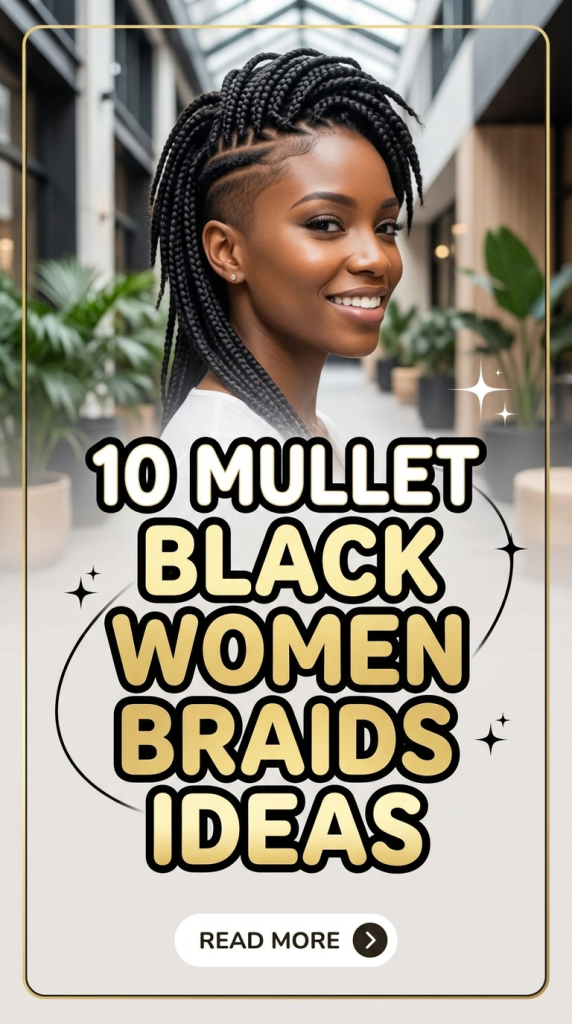
Mullet braid hairstyles for Black women combine structured haircut concepts with protective styling techniques. This approach merges the classic mullet shape, which features shorter sections at the front and crown with longer length at the back, with braided designs that support hair protection and versatility. On Pinterest, these styles are widely shared as creative ideas because they balance visual impact with practical benefits such as low manipulation and long-lasting wear. The braided mullet allows for a defined silhouette while preserving natural hair health through protective styling methods.
This article provides a complete tutorial on how to create mullet-inspired braid styles using beginner friendly and practical techniques. It explains preparation steps, essential materials, and ten detailed braid ideas that can be followed step by step. Each idea focuses on structure, organization, and realistic execution. Readers will learn how to section hair properly, maintain clean parts, and design braids that follow the mullet shape. The goal is to offer clear inspiration and actionable guidance for creating a protective hairstyle that aligns with modern design trends while remaining functional and easy to manage.
Why This Idea Is Trending or Useful
Mullet braid styles are trending because they combine protective styling with a strong visual structure. Pinterest ideas frequently highlight these looks as a way to achieve both aesthetic appeal and practicality. Braids provide durability and reduce daily styling effort, while the mullet shape introduces a modern and distinctive design. This combination allows individuals to maintain hair health while experimenting with creative ideas that reflect personal style.
Another reason for popularity is accessibility. Many mullet braid designs can be created using basic braiding techniques and simple tools. This makes them suitable for beginners who want to explore protective styling without advanced skills. The structure of the mullet also supports organization, as it clearly defines different sections of the hairstyle. This improves both appearance and maintenance. The practical value lies in its ability to provide long-lasting styling while minimizing damage to natural hair. This balance makes it a useful and relevant option in modern hair trends.
Materials and Preparation
Creating a mullet braid hairstyle requires careful preparation and the right materials to ensure clean and durable results. Basic materials include a wide-tooth comb, rat-tail comb for precise parting, sectioning clips, hair ties, and moisturizing products such as leave-in conditioner or oil. Depending on the desired length and thickness, braiding extensions may also be used. A mirror setup is essential for maintaining symmetry and accuracy during the process.
Preparation begins with clean, detangled hair to ensure smooth braiding. Apply a leave-in conditioner to maintain moisture and reduce breakage. Section the hair into front, crown, and back areas to establish the mullet structure. Planning is important to determine braid size, length, and placement. Ensure that parts are straight and evenly spaced to maintain a neat appearance. Organize materials before starting to avoid interruptions. This structured preparation ensures that the braiding process remains efficient and results in a polished and long-lasting hairstyle.
 SAVE TO PINTEREST
Idea 1: Classic Straight Back Mullet Braids
How to Create
The classic straight back mullet braids follow a simple and structured design where braids at the front and crown are shorter, while the back section extends longer. This style maintains a clean and organized appearance, making it suitable for everyday wear. The straight-back pattern emphasizes symmetry and clarity, allowing the mullet shape to stand out. This design works well for those who prefer a balanced and traditional look within a modern hairstyle.
To create this style, begin by sectioning the hair into front, crown, and back areas. Use a rat-tail comb to create straight parts. Braid the front and crown sections into shorter braids, ensuring consistent thickness. Continue with longer braids at the back to complete the mullet shape. Secure the ends with small bands if needed. Apply a light oil to maintain moisture and shine. This step by step process creates a beginner friendly and practical hairstyle.
Idea 2: Box Braided Mullet Style
Step-by-Step Guide
 SAVE TO PINTEREST
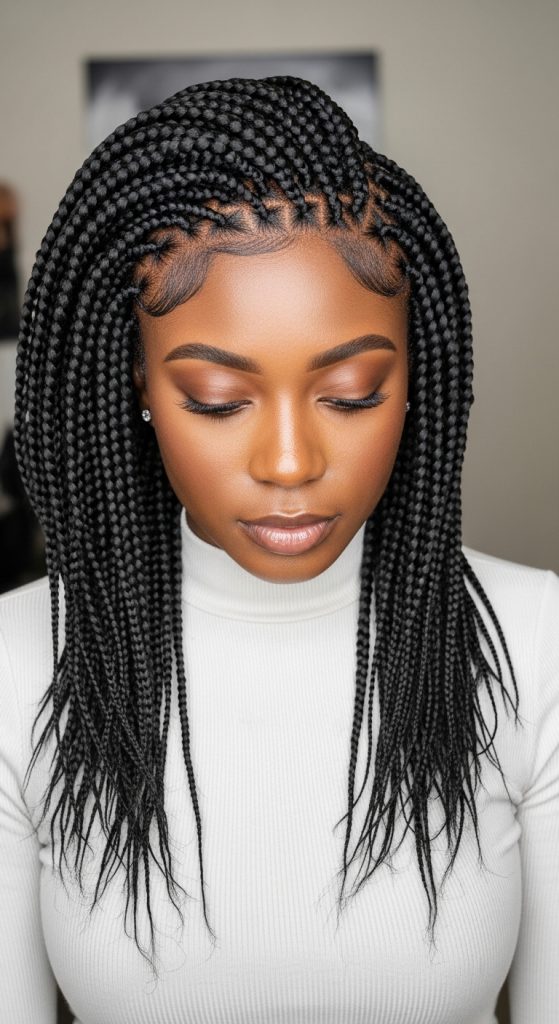
The box braided mullet style uses square-shaped sections to create a uniform and structured design. This approach adds definition and allows flexibility in styling. The shorter front and longer back sections maintain the mullet shape while the box pattern enhances organization.
To achieve this look, divide the hair into small square sections using a comb. Braid each section individually, keeping the front and crown braids shorter. Extend the back braids to create length contrast. Ensure that each braid is tight and consistent. Apply a moisturizing product to maintain hair health. This method creates a structured and long-lasting hairstyle.
Idea 3: Cornrow Mullet with Extended Back
How to Make
This variation uses cornrows at the front and crown, combined with longer braids at the back. The cornrows create a sleek and controlled appearance, while the extended back adds contrast.
 SAVE TO PINTEREST
To create this style, section the front and crown into straight lines and braid them into cornrows. Transition into longer individual braids at the back. Maintain even spacing between rows for consistency. Apply oil to keep the scalp hydrated. This approach creates a clean and defined hairstyle.
Idea 4: Layered Braid Mullet
Execution Process
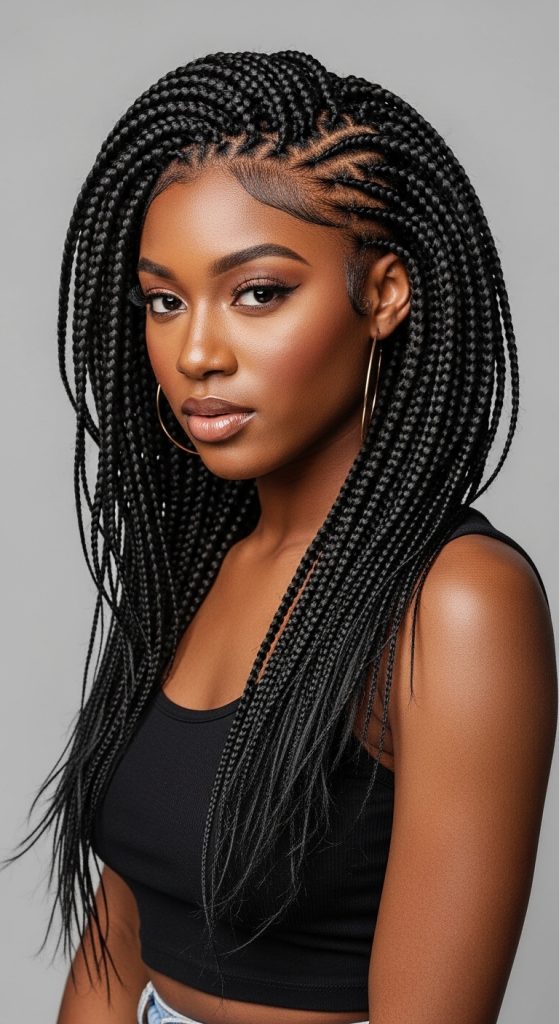
The layered braid mullet introduces variation in braid length to create depth and dimension. This design enhances the visual structure of the hairstyle.
 SAVE TO PINTEREST
To implement this style, create sections with varying lengths across the head. Braid each section according to the planned lengths. Ensure smooth transitions between layers. Apply a light product to maintain neatness. This method creates a dynamic and textured look.
Idea 5: Minimalist Thin Braid Mullet
How to Create
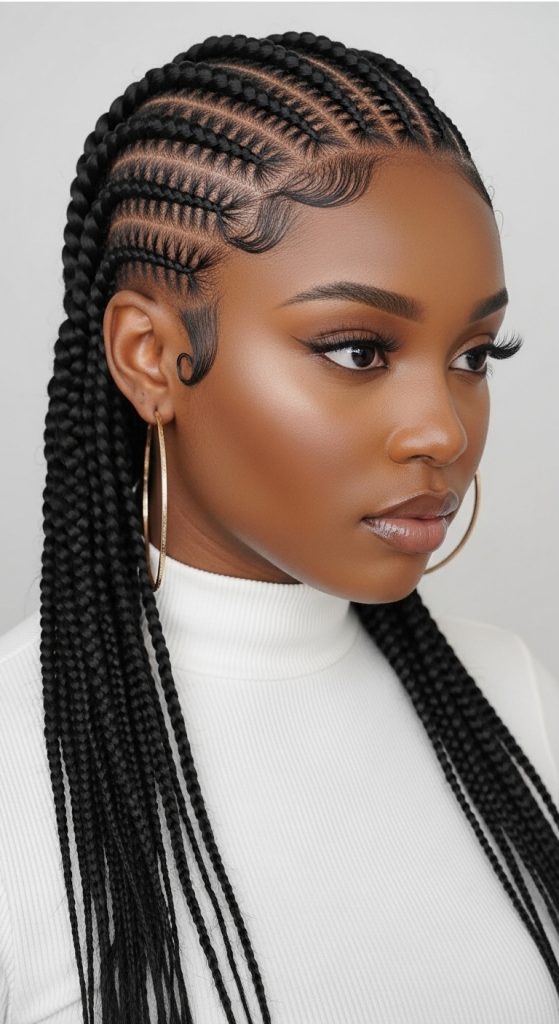
The minimalist thin braid mullet focuses on smaller braids for a refined and detailed appearance. This design emphasizes precision and simplicity.
 SAVE TO PINTEREST
To create this look, section the hair into small parts and braid each section evenly. Keep the front shorter and the back longer. Maintain consistency in braid size. Apply oil for shine and hydration. This approach creates a clean and modern hairstyle.
Idea 6: Chunky Braid Mullet
 SAVE TO PINTEREST
Step-by-Step Guide
The chunky braid mullet uses thicker braids to create a bold and defined look. This design emphasizes volume and structure.
To achieve this style, section the hair into larger parts and braid each section tightly. Keep the front shorter and the back longer. Ensure that each braid is uniform. Apply a moisturizing product to maintain hair health. This method creates a strong and expressive hairstyle.
Idea 7: Side-Parted Braid Mullet
 SAVE TO PINTEREST
How to Make
Adding a side part introduces asymmetry and variation to the hairstyle. This design creates a modern and adaptable look.
To create this style, establish a side part and section the hair accordingly. Braid each section while maintaining the mullet structure. Adjust the braid direction for balance. Apply oil to enhance shine. This approach creates a versatile hairstyle.
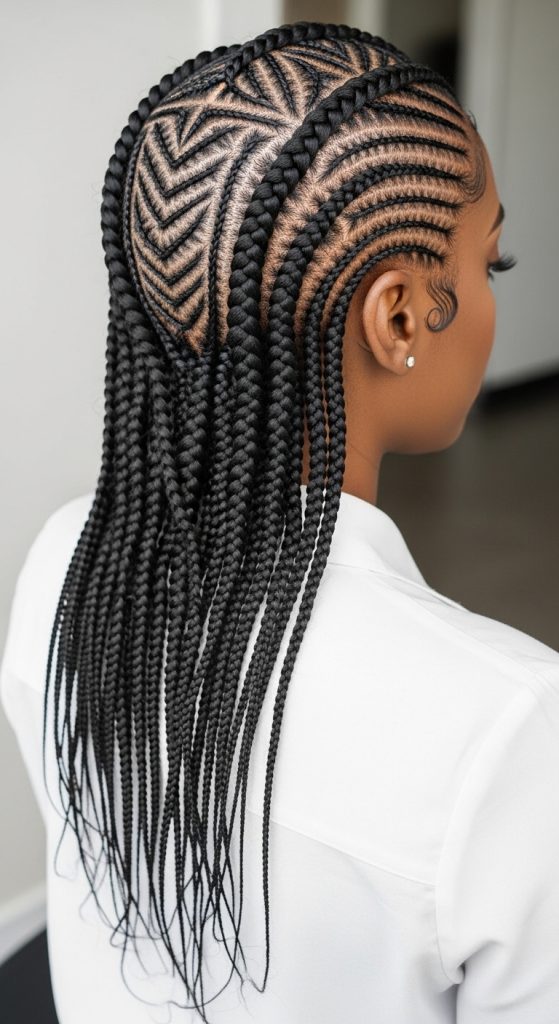
Idea 8: Patterned Cornrow Mullet
Setup Method
This variation incorporates patterns into the cornrows to create a unique and detailed design. The patterns add visual interest while maintaining structure.
To implement, design a pattern for the front and crown sections. Braid the hair following the pattern and extend into longer braids at the back. Maintain consistency in spacing. This method creates a creative and organized hairstyle.
 SAVE TO PINTEREST
Idea 9: Beaded Braid Mullet
How to Create
The beaded braid mullet adds decorative elements to enhance the overall appearance. Beads introduce movement and detail.
To achieve this look, braid the hair as desired and attach beads to the ends. Ensure that the beads are evenly distributed. Apply a light oil to maintain shine. This approach creates a visually engaging hairstyle.
 SAVE TO PINTEREST
Idea 10: Twisted Braid Mullet Variation
How to Make
This variation uses twists instead of traditional braids to create a softer texture. The twists maintain the mullet structure while offering a different visual effect.
 SAVE TO PINTEREST
To create this style, section the hair and twist each section instead of braiding. Keep the front shorter and the back longer. Ensure consistent thickness. Apply a moisturizing product to maintain definition. This method creates a versatile and protective hairstyle.
Common Beginner Mistakes and How to Avoid Them
A common mistake is uneven parting, which leads to inconsistent braid sizes and disrupts the overall structure. Another issue is braiding too tightly, causing discomfort and potential hair damage. Beginners may also skip proper preparation, resulting in frizz and reduced durability. To avoid these problems, focus on clean sectioning and moderate tension. Apply moisturizing products before braiding. Check symmetry throughout the process to ensure balance. Proper planning and technique help achieve a polished result.
Practical Tips for Better Results
Use a rat-tail comb for precise parting and maintain consistent braid sizes. Keep hair moisturized to prevent dryness. Work in small sections to maintain control. Secure braids properly to extend longevity. These practical steps improve both the process and the final appearance.
Styling, Presentation, or Organization Ideas
Organize braids neatly to highlight the mullet shape. Maintain a consistent pattern for a clean look. Use accessories sparingly to avoid clutter. Keep the scalp clean and hydrated to enhance the overall appearance. Proper organization supports better styling outcomes.
Budget or Time Planning
This creative project can be completed using basic tools and affordable materials. Allocate time for careful sectioning and braiding. Start with simple designs before attempting complex patterns. This approach ensures efficient use of resources and time.
Creative Expansion and Advanced Inspiration
Advanced ideas include combining braids with color extensions, experimenting with intricate patterns, or adding accessories for variation. These options allow further personalization and creativity while maintaining the core mullet structure.
