A textured pixie bob is designed to introduce movement and lift throughout fine hair by using multiple soft layers. Instead of maintaining a blunt structure, this haircut uses feathered cutting techniques to create small variations in length across the head. These variations allow strands to separate slightly, which gives the appearance of thicker and fuller hair. The textured pixie bob typically features shorter layers around the crown combined with slightly longer sections near the jawline.
This haircut works particularly well for fine hair because the layered structure prevents strands from lying flat against the scalp. When light hits the hair, the different lengths reflect subtle shadows that create visual dimension. Pinterest inspiration frequently highlights this style because it appears effortless while still maintaining a modern aesthetic.
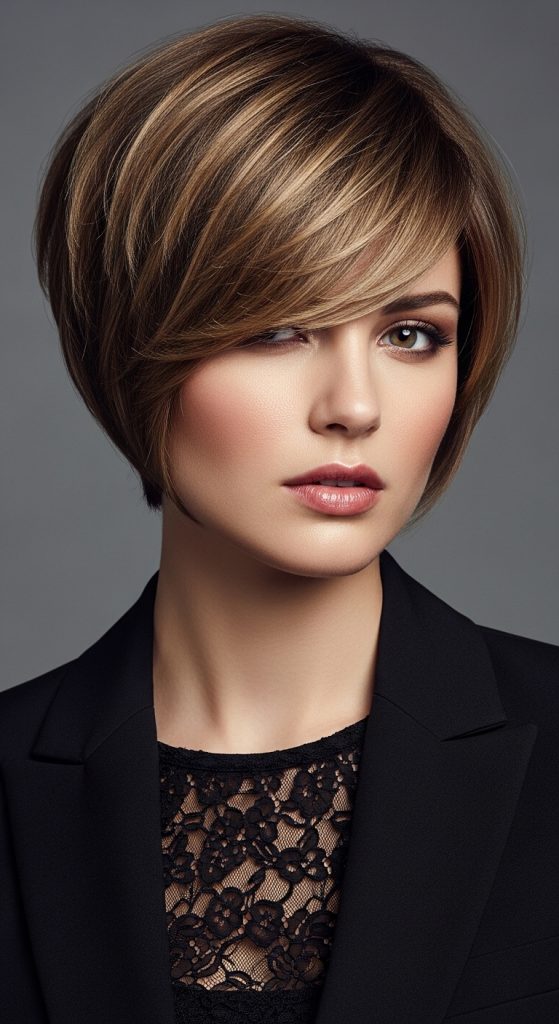
The textured pixie bob also adapts easily to different face shapes. Side layers can be adjusted to soften facial features, while the crown layers add vertical height. The combination of structure and flexibility makes this haircut an effective option for individuals seeking a fuller hairstyle without requiring extensive styling routines.
Creating a textured pixie bob begins by dividing the hair into sections across the crown, sides, and back of the head. The crown area is typically cut slightly shorter to create lift. Using hair cutting scissors, small vertical sections are trimmed at varying lengths to create texture.
The sides of the hair are then shaped into a gentle bob line that frames the face. The stylist carefully blends these sections with the shorter crown layers to avoid harsh transitions. Point cutting techniques may be used to soften the edges and enhance movement.
Once the cutting process is complete, the hair can be blow-dried using a round brush to lift the roots. Light styling products may be applied to emphasize the texture and maintain the airy structure of the pixie bob.