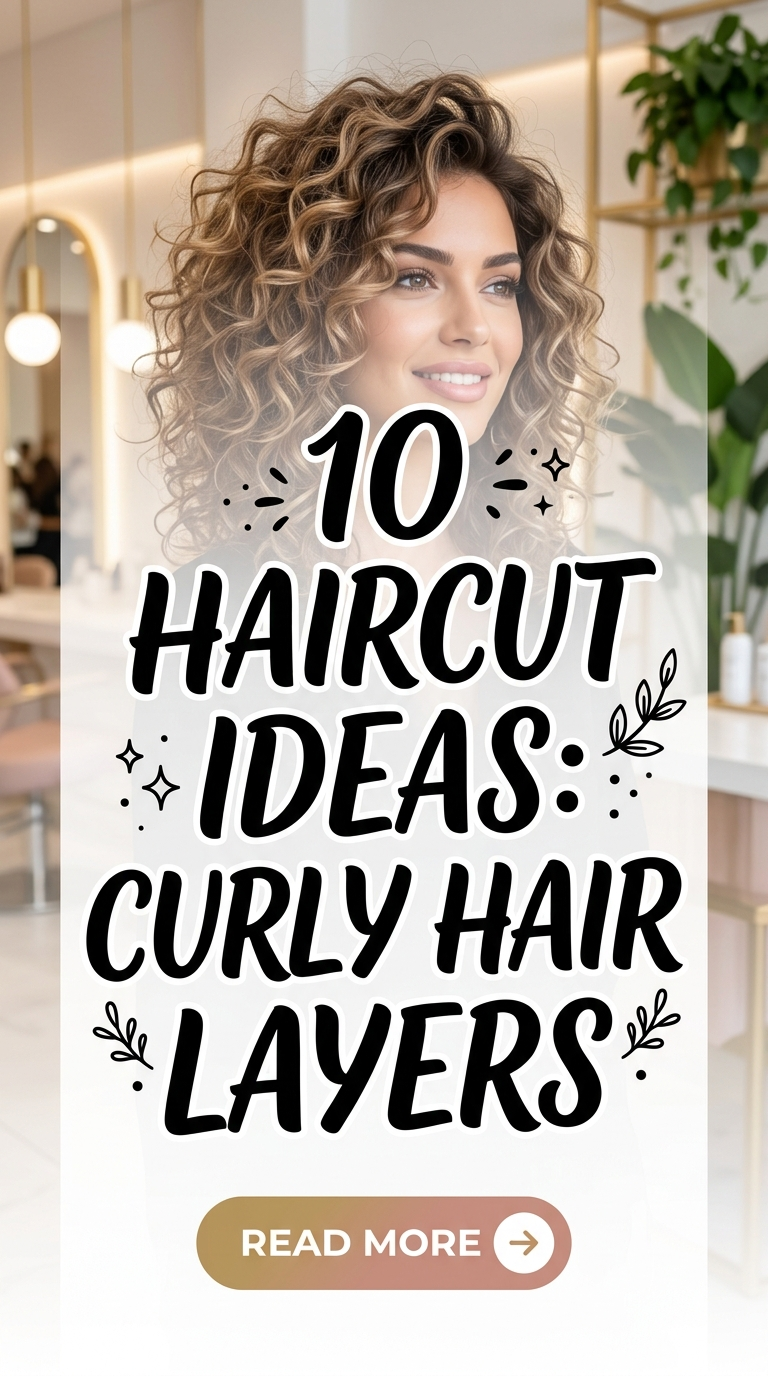
10 Haircut Ideas Curly Hair Layers
Curly hair layers are widely featured across Pinterest ideas boards because they help shape natural curls while maintaining volume and movement. Unlike straight haircuts, curly hair requires specific layering techniques that respect the natural curl pattern.
Properly designed layers reduce heaviness, enhance bounce, and create a balanced silhouette that allows curls to form naturally. Many individuals search for curly haircut inspiration when looking for ways to refresh their hairstyle while preserving curl texture.
This article presents ten haircut ideas designed specifically for curly hair layers. Each concept explains the structure of the haircut and provides practical guidance on how the layered shape works. These ideas focus on creating balanced haircuts that support natural curl patterns rather than forcing curls into rigid shapes. When curls are layered correctly, the hairstyle becomes easier to style and maintain.
Readers will learn how different layering techniques affect curl volume, shape, and overall hairstyle structure. The guide also includes preparation steps, helpful tools, and practical planning methods. Understanding these techniques allows individuals to communicate haircut preferences clearly or practice basic trimming techniques at home. With thoughtful planning and gradual shaping, curly hair layers can enhance both texture and overall hair organization.
Why This Idea Is Trending or Useful
Curly hair layering has become a trending topic on Pinterest because many people want haircuts that highlight natural curl patterns instead of flattening them. Traditional haircuts designed for straight hair often remove curl definition or create uneven volume. Layered curly haircuts solve this issue by distributing weight evenly throughout the hair. This approach allows curls to spring upward naturally and maintain their shape.
Another reason curly hair layers are popular is their adaptability to different curl types. From loose waves to tight coils, layered haircuts can be adjusted to support various curl structures. This flexibility makes the haircut accessible for many individuals who want to maintain their curls while improving overall shape.
The DIY interest surrounding curly haircuts also contributes to the trend. Many individuals explore tutorials that explain how to trim curls gradually without disrupting the natural pattern. Pinterest inspiration boards frequently highlight step-by-step methods that demonstrate how layering enhances curl definition. Because these techniques focus on improving the natural texture rather than changing it, layered curly haircuts remain among the most searched hairstyle ideas online.
Materials and Preparation
Preparing curly hair for a layered haircut requires careful planning and the right tools. Curly hair behaves differently from straight hair, so preparation helps ensure the haircut maintains balance and curl definition. One essential tool is a pair of sharp haircutting scissors. Sharp scissors create clean edges that prevent frizz or uneven ends.
Additional tools include a wide-tooth comb, hair clips, and a spray bottle with water. The wide-tooth comb detangles curls gently without disrupting the natural pattern. Hair clips help divide the hair into manageable sections during the cutting process. A spray bottle allows hair to remain slightly damp, which helps control individual strands when trimming.
Some curly haircut techniques are performed on dry hair because curls shrink when dry. Cutting curls in their natural state allows the stylist to see how the layers will fall once the hair settles. Before beginning the haircut, hair should be clean, detangled, and free from heavy styling products.
Planning the haircut structure is also important. Studying reference images and understanding the desired shape helps guide the layering process. Gradual trimming and careful sectioning allow curls to maintain their natural structure while improving overall hairstyle balance.
Idea 1: Long Cascading Curly Layers
How to Create
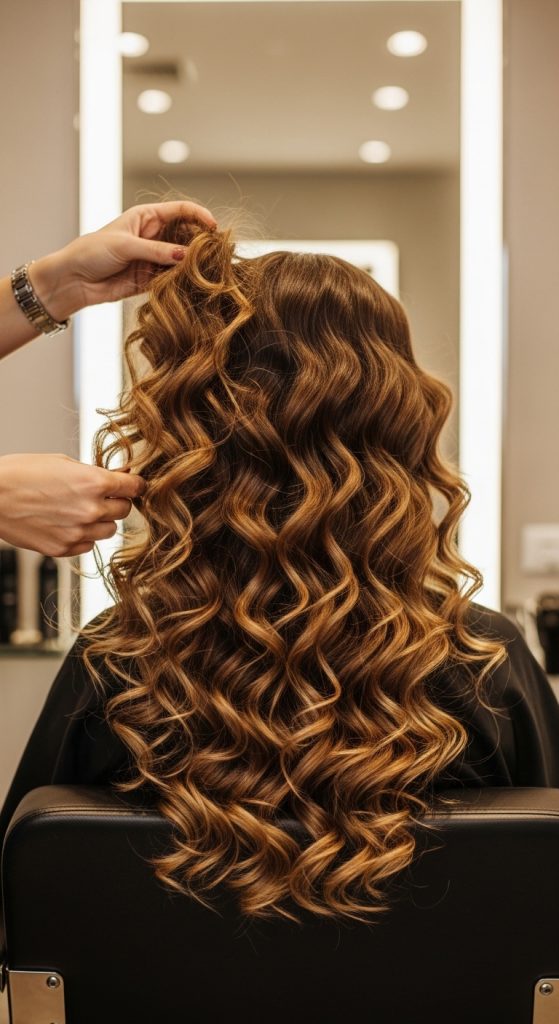
Long cascading curly layers focus on maintaining length while creating gentle layers throughout the hair. This haircut is designed to reduce heaviness in thick curls without removing significant length. The cascading effect allows curls to fall gradually from shorter upper layers into longer lower sections. This shape distributes weight evenly and helps curls move naturally.
This haircut works well for medium to long curly hair. The layers start near the crown and extend downward in a smooth transition. Because the layers are subtle, the haircut preserves fullness while preventing curls from clumping together at the bottom. The result is a balanced hairstyle that highlights natural curl texture.
To create cascading layers, begin by dividing the hair into several vertical sections. Each section should be clipped separately to maintain organization during the haircut. Starting with the top section, hold small groups of curls upward and trim only the ends. This technique gradually removes weight from the upper layers.
Continue trimming each section using small adjustments rather than large cuts. The goal is to allow curls to fall naturally into a layered structure. After finishing, gently shake the hair to allow the curls to settle and reveal the cascading effect.
Idea 2: Face-Framing Curly Layers
Step-by-Step Guide
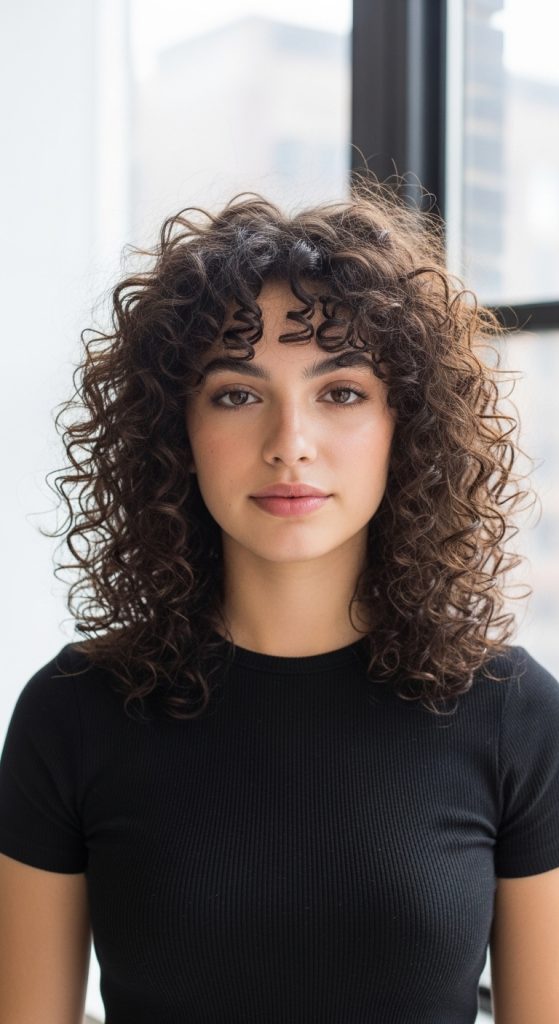
Face-framing curly layers emphasize curls near the front of the hairstyle. These layers are designed to highlight facial features while maintaining the natural curl pattern. Unlike full layered haircuts, this style focuses primarily on shaping the front sections of the hair.
The layers begin around the cheekbones or jawline and blend gradually into the rest of the hair. This design helps prevent curls from appearing too heavy near the face. Instead, the curls form a soft frame that complements the overall hairstyle.
To create face-framing layers, begin by separating the front sections of hair on both sides of the face. Clip the remaining hair away to keep it out of the cutting area. Gently pull the front curls downward so they fall naturally.
Using sharp scissors, trim small portions from the ends while maintaining the curl structure. The shortest layer should begin near the cheekbone area. Continue trimming gradually so the layers blend smoothly into the longer hair. This technique creates a natural framing effect that enhances the curl pattern.
Idea 3: Curly Shag Layers
How to Make
The curly shag haircut introduces multiple layers throughout the hair to create texture and volume. Inspired by classic shag haircuts, this version adapts the structure specifically for curly hair. The layers are shorter and more defined, which allows curls to expand outward.
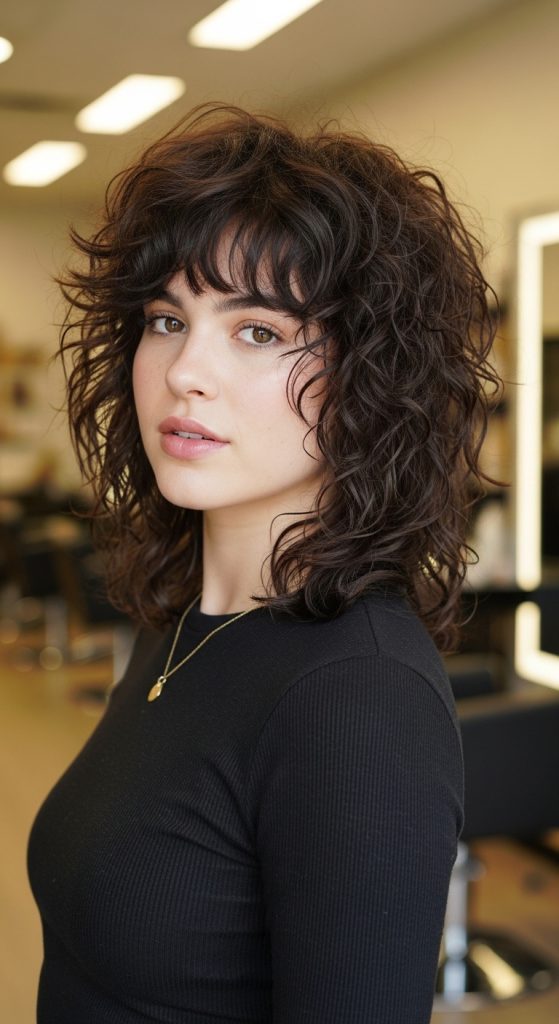
Curly shag layers create a lively and dynamic hairstyle. The top layers provide lift near the crown while the lower layers maintain fullness. This haircut works especially well for medium-length curls because it encourages movement and bounce.
To create curly shag layers, divide the hair into horizontal sections beginning at the crown. Lift each section upward and trim small amounts from the ends. The layers should gradually decrease in length from top to bottom.
Because curly hair shrinks when dry, it is important to trim conservatively. After cutting the layers, allow the curls to settle naturally. The shag structure becomes visible as the curls form individual shapes throughout the hairstyle.
Idea 4: Shoulder-Length Curly Layers
Execution Process
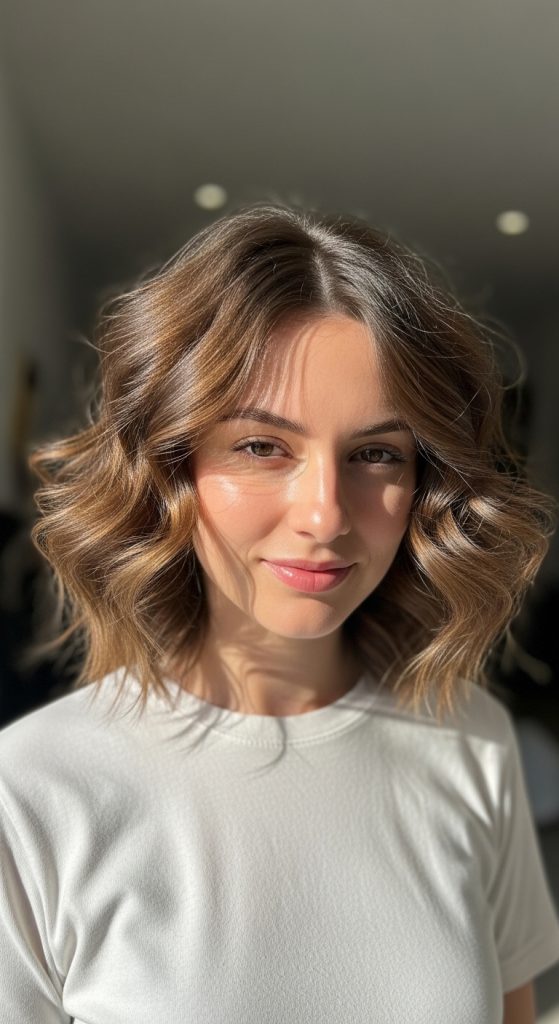
Shoulder-length curly layers provide a balanced haircut that maintains moderate length while shaping the curls evenly. This haircut is ideal for individuals who want manageable hair without sacrificing curl definition. The layers help distribute volume so the curls remain balanced from top to bottom.
The haircut begins with a base length near the shoulders. Layers are then added gradually to prevent the bottom section from appearing too heavy. The result is a hairstyle that maintains fullness while allowing curls to bounce freely.
To create shoulder-length layers, begin by trimming the overall length evenly across the bottom. This establishes the base shape of the haircut. Once the base is complete, divide the hair into several vertical sections.
Lift each section slightly and trim small amounts from the ends. These cuts create subtle layers that blend smoothly into the base length. After completing the layers, shake the hair gently to allow the curls to settle into their natural shape.
Idea 5: Curly Wolf Cut Layers
How to Create
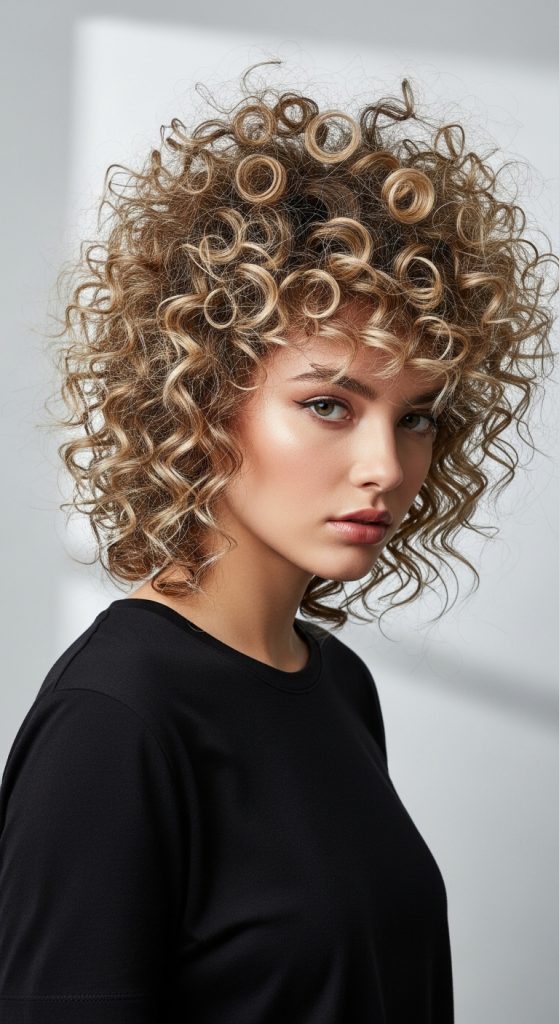
The curly wolf cut combines layered structure with textured volume. This haircut includes shorter layers at the top and longer sections toward the bottom. The design creates a bold silhouette while maintaining natural curl movement.
To achieve the wolf cut, start by creating shorter layers near the crown. Trim small sections upward to build volume. Continue layering downward while maintaining longer lengths toward the ends.
Idea 6: Curly Rounded Layers
Setup Method
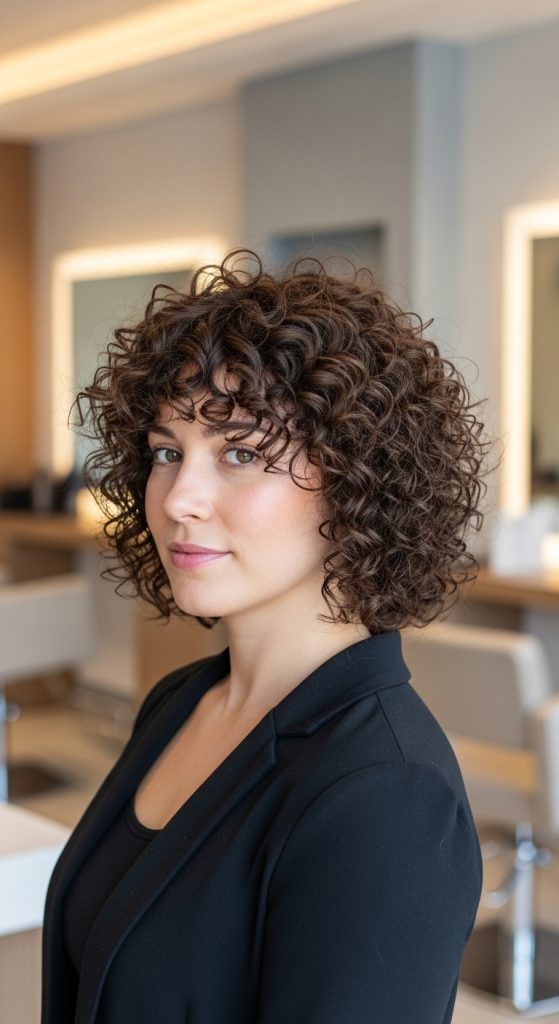
Rounded layers create a circular shape that supports the natural curl pattern. This haircut focuses on creating an even silhouette rather than sharp angles.
Trim curls evenly around the head while maintaining the rounded shape.
Idea 7: Curly Volume Layers
How to Create
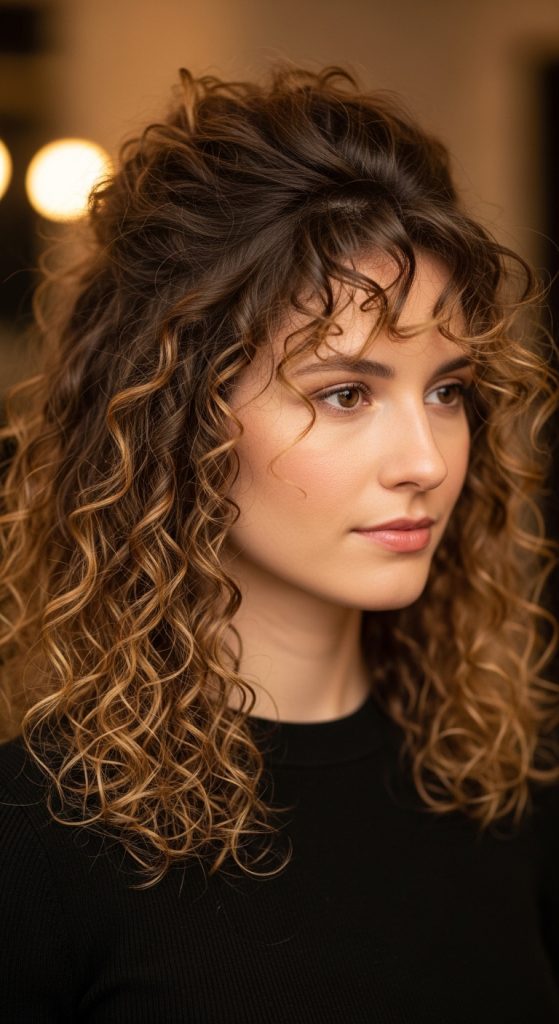
Volume layers focus on lifting curls near the crown. The layers remove excess weight so curls can expand naturally.
Lift top sections and trim small portions to encourage upward curl movement.
Idea 8: Mid-Length Curly Layers
Step-by-Step Guide
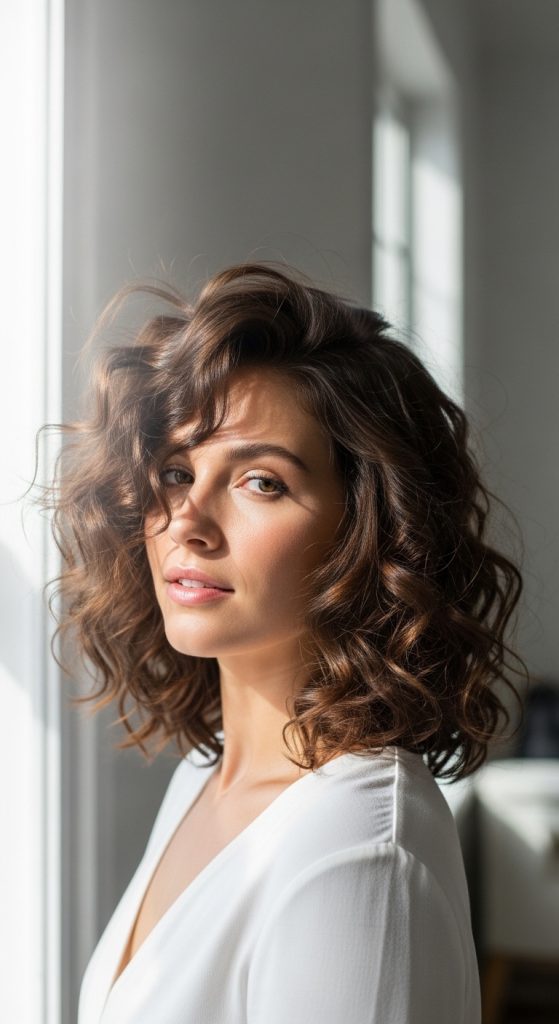
Mid-length curly layers balance volume and length. The haircut begins with a base length near the shoulders and adds subtle layers throughout.
Trim gradually to blend layers evenly.
Idea 9: Curly V-Shaped Layers
How to Make
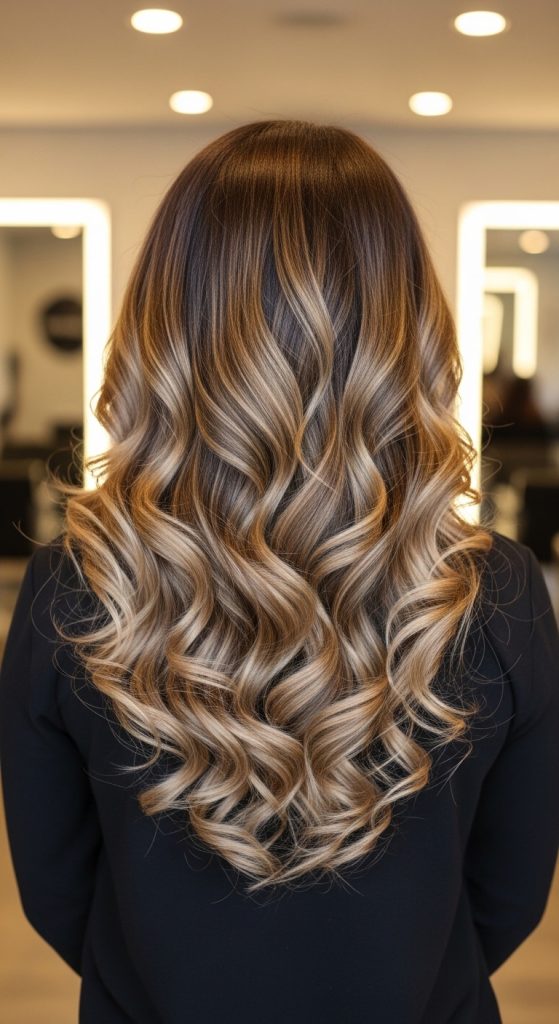
V-shaped layers create a pointed shape at the back of the hair. The layers extend from shorter sides to a longer center section.
Trim the back sections diagonally to form the V shape.
Idea 10: Minimal Curly Layer Trim
Execution Process
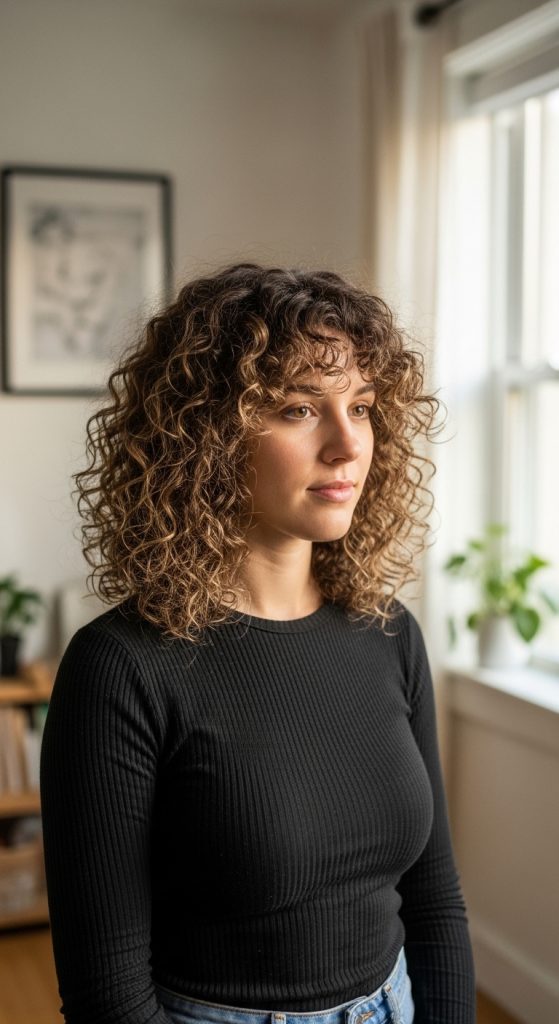
Minimal curly layering removes only small amounts of weight while maintaining the overall length. This haircut refreshes curls without changing the hairstyle dramatically.
Trim only the ends of curls that extend beyond the natural shape.
Common Beginner Mistakes and How to Avoid Them
One common mistake when cutting curly hair layers is trimming too much hair at once. Curly hair shrinks as it dries, so large cuts can result in shorter layers than intended. Gradual trimming helps maintain control and prevents uneven results.
Another frequent error is cutting curls while they are stretched straight. Curly hair should be trimmed in its natural state whenever possible. This allows the stylist to observe how each curl falls within the hairstyle.
Improper sectioning can also disrupt the layering pattern. Dividing the hair into clear sections ensures balanced trimming across the head. Careful planning and patience help maintain the natural structure of curls during the haircut process.
Practical Tips for Better Results
Working with small sections of curls improves accuracy during layering. Smaller sections allow each curl to be shaped individually. This technique helps maintain the natural curl pattern while creating balanced layers.
Sharp haircutting scissors also produce smoother results. Dull scissors can create frayed edges that increase frizz. Clean, precise cuts help curls maintain their shape.
Regularly stepping back and observing the haircut in the mirror allows adjustments before continuing. This practice ensures the layers remain balanced throughout the haircut.
Styling, Presentation, or Organization Ideas
After completing a layered curly haircut, styling helps reveal the shape of the layers. Applying a lightweight curl product can enhance curl definition while reducing frizz. Allowing curls to air dry often produces the most natural results.
Organizing hair tools and accessories before styling simplifies the process. Keeping combs, clips, and scissors within reach ensures efficient workflow.
Budget or Time Planning
Layered curly haircuts can often be maintained at home with small trims between professional appointments. This approach helps preserve the shape of the haircut while reducing the need for frequent salon visits.
Setting aside adequate time for trimming and shaping ensures careful results. Rushing the process increases the risk of uneven layers.
Creative Expansion and Advanced Inspiration
Curly hair layering techniques can be expanded through creative experimentation. Combining layering styles such as shag layers with face-framing curls can produce unique hairstyles.
Exploring different shapes and layering depths allows individuals to personalize their hairstyle while maintaining the natural beauty of their curls.