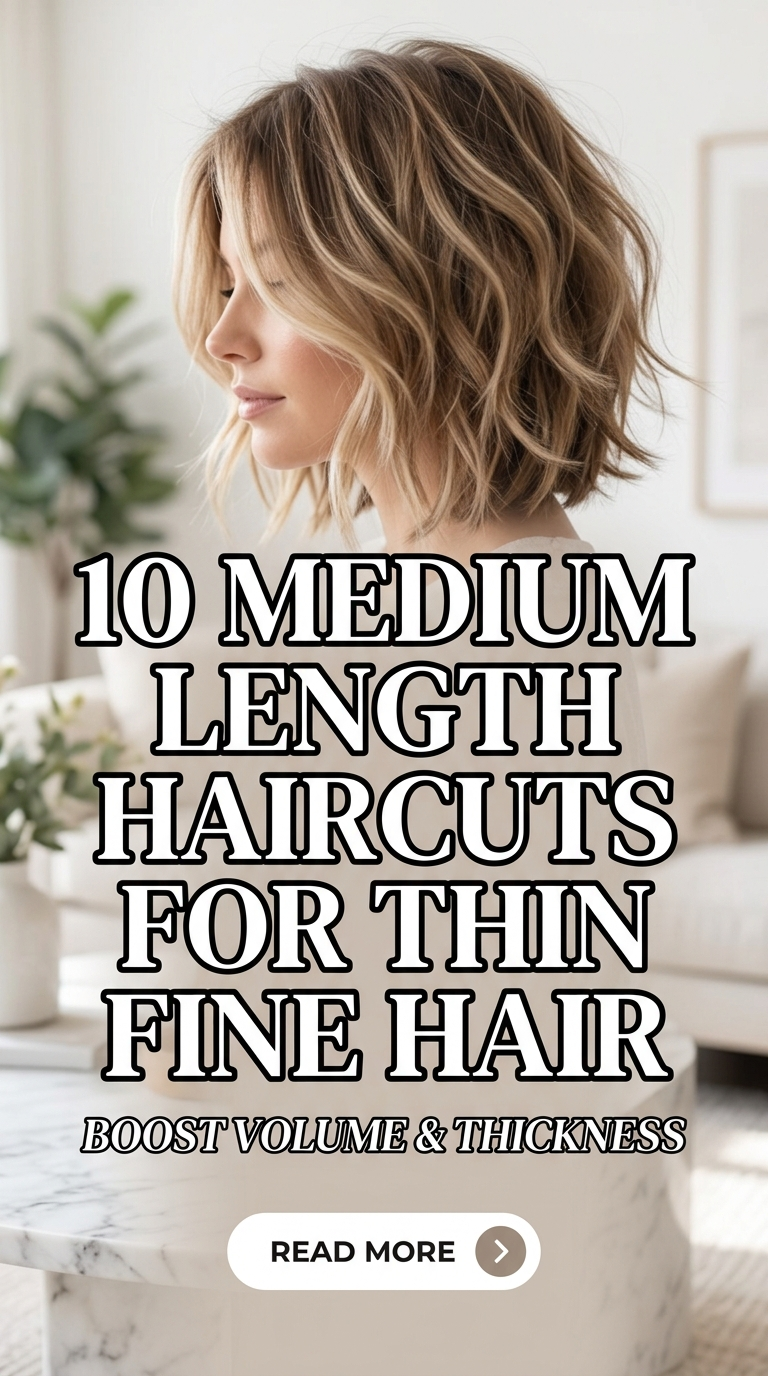
10 medium length haircut for thin fine hair
 SAVE TO PINTEREST
Medium length haircuts for thin fine hair have become one of the most searched hairstyle categories across Pinterest inspiration boards. Many people with fine hair look for haircut ideas that create the appearance of fullness while remaining easy to manage.
Thin hair often lacks natural volume, so the structure of the haircut plays an important role in shaping how the hair falls and how much movement it displays. Medium length styles are especially popular because they maintain enough length for styling flexibility while preventing the weight that can make fine hair appear flat.
Pinterest ideas frequently showcase medium haircuts because they offer a balanced combination of practicality and visual dimension. Strategic layering, textured ends, and thoughtful shape placement can help thin hair appear fuller and more dynamic. These haircuts also support multiple styling options, including soft waves, sleek finishes, or lightly textured movement.
This article explores ten medium length haircut ideas designed specifically for thin fine hair. Each style explains the design concept and provides step by step guidance for creating the haircut. Readers will learn how layering techniques, length placement, and structure influence volume and movement. These ideas offer practical inspiration for hairstyles that enhance the natural qualities of fine hair.
Why This Idea Is Trending or Useful
Medium length haircuts for thin hair continue to trend on Pinterest because they solve a common styling challenge. Many people with fine hair struggle with hairstyles that appear flat or lack body. A carefully structured medium haircut can address this issue by introducing shape and texture that create the illusion of volume. Pinterest inspiration boards frequently highlight these styles because they demonstrate how small adjustments in layering or length can transform the overall appearance of thin hair.
The practical value of these haircuts lies in their versatility. Medium length hair offers enough length for multiple styling options while avoiding the heaviness associated with longer styles. When hair becomes too long, fine strands can weigh themselves down and lose movement. Medium styles prevent this problem by maintaining lighter ends and balanced proportions.
Accessibility is another reason these hairstyles remain popular. Most medium haircuts can be achieved using standard haircutting techniques and basic tools. They also adapt well to different styling routines, from air drying to light blow drying. This combination of practicality and visual improvement makes medium haircuts a reliable solution for individuals with fine hair.
Materials and Preparation
Preparing for a medium length haircut requires basic hairstyling tools and a clear understanding of the desired haircut structure. Professional stylists typically use sharp haircutting scissors, thinning shears, a fine comb, sectioning clips, and a spray bottle to lightly dampen the hair. Damp hair improves control and allows the stylist to create more accurate layers.
Preparation begins by washing the hair thoroughly to remove oils or styling products that may affect the haircut. Once clean, the hair is lightly dampened and combed into its natural direction. Sectioning the hair into four main areas—crown, sides, back, and fringe—helps maintain symmetry throughout the haircut. Organized sections allow the stylist to work methodically while ensuring the layers blend smoothly.
Planning the haircut structure is especially important for thin hair. Layers should be placed strategically to build volume without removing too much density. Stylists often focus on adding movement through the mid-lengths while keeping the ends slightly fuller. Proper preparation ensures the haircut enhances the natural texture of fine hair while maintaining a balanced and flattering silhouette.
MAIN IDEAS SECTION
Idea 1: Soft Layered Shoulder-Length Cut
 SAVE TO PINTEREST
How to Create
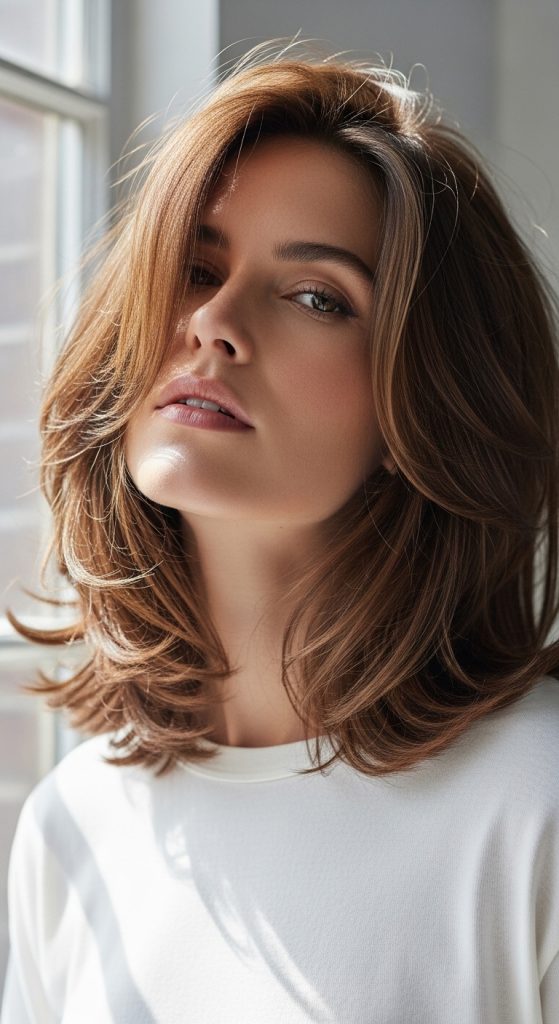
The soft layered shoulder-length haircut is one of the most practical styles for thin fine hair. This haircut maintains a length that falls around the shoulders while introducing gentle layers through the mid-lengths and ends. The layers create movement and prevent the hair from appearing flat. Because the layers remain soft rather than heavily defined, the hairstyle maintains enough density to give thin hair a fuller appearance.
Pinterest hairstyle inspiration frequently highlights this haircut because it balances simplicity with volume. The soft layering technique allows the hair to move naturally without removing too much weight from the ends. This balance is especially helpful for fine hair, which can appear thinner if too many layers are added. The haircut also frames the face naturally, creating a flattering shape that works well with different face structures.
Another advantage of this style is its versatility. The haircut can be worn straight for a polished appearance or styled with loose waves for additional texture. Both styling methods help enhance the layered structure while maintaining a natural look.
Creating the soft layered shoulder-length cut begins by trimming the back section to establish the overall length. The stylist ensures the hair falls evenly around the shoulders before introducing layers.
Next, the sides are trimmed to match the back while maintaining balanced proportions. The stylist then introduces subtle layers using scissors, focusing mainly on the mid-lengths.
The final step involves blending the layers carefully so they transition smoothly into the ends. This technique preserves fullness while adding movement to the hairstyle.
Idea 2: Blunt Medium Lob
How to Make
 SAVE TO PINTEREST
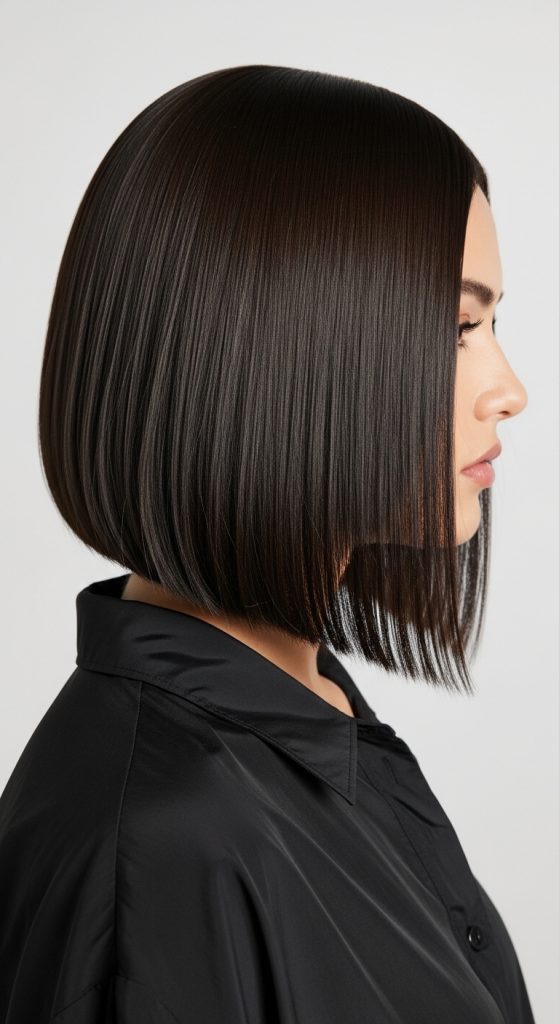
The blunt medium lob is a structured haircut designed to create the appearance of thicker hair. Unlike layered styles, this haircut keeps the ends cut evenly across, producing a strong and defined edge. The hair typically falls between the collarbone and shoulders, making it long enough for styling but short enough to maintain fullness.
Pinterest hairstyle boards frequently showcase blunt lobs for thin hair because the straight edge helps the hair appear denser. When all strands reach the same length, the ends look thicker and more substantial. This effect is especially helpful for fine hair that lacks natural body. The clean structure of the blunt cut also creates a sleek and modern aesthetic.
The blunt lob works particularly well for straight hair textures because the uniform edge remains clearly visible. However, it can also be styled with soft waves for a slightly relaxed appearance. These variations make the haircut versatile while preserving the visual fullness created by the blunt edge.
To create the blunt lob, the stylist combs the hair straight down from the crown and trims the back section first. This establishes the baseline length of the haircut.
Next, the sides are trimmed to match the back while maintaining a perfectly straight line across the ends. Precision cutting is important to maintain the clean structure of the style.
Once the baseline is established, the stylist checks the edges for symmetry and smoothness. The finished haircut highlights the dense and polished appearance of the blunt lob.
Idea 3: Medium Shag for Fine Hair
Step-by-Step Guide
 SAVE TO PINTEREST
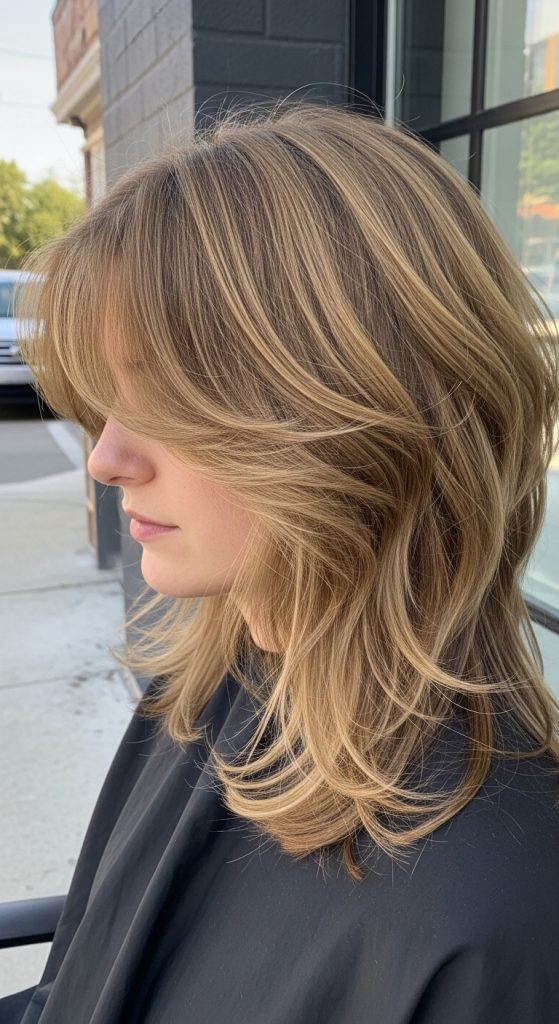
The medium shag haircut introduces layered texture designed to create volume and movement throughout the hair. This style features shorter layers near the crown and longer sections toward the ends. The layered structure helps lift the hair and prevents it from lying flat against the scalp.
Pinterest inspiration frequently features shag haircuts for thin hair because the layers create the illusion of thickness. The shorter crown layers add height, while the longer ends maintain balance. This combination helps distribute volume more evenly across the hairstyle. The shag haircut also pairs well with natural waves, which further enhance the appearance of fullness.
Another advantage of the medium shag is its relaxed aesthetic. The layered design produces a slightly tousled look that feels modern and effortless. This style can be worn casually or styled more neatly depending on the occasion.
To create the shag haircut, the stylist trims the baseline length first, usually around shoulder level.
Next, shorter layers are introduced near the crown to build height and movement. Additional layers are blended through the mid-lengths using point-cutting techniques.
The front sections are shaped to frame the face while maintaining softness. This process creates a balanced hairstyle with natural texture.
Idea 4: Medium Cut with Curtain Bangs
 SAVE TO PINTEREST
How to Create
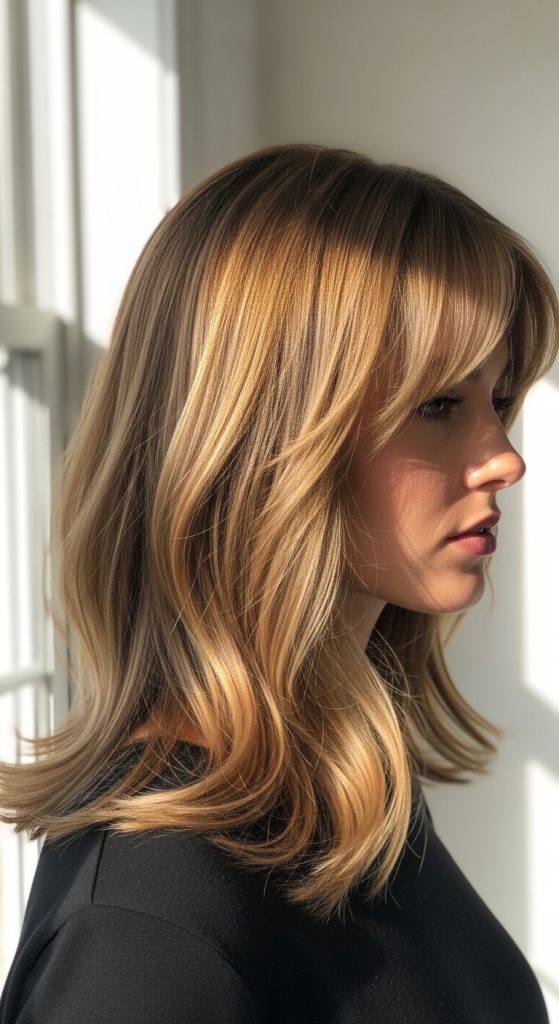
Curtain bangs introduce soft framing layers that blend into medium-length hair. These bangs are parted in the center and gradually taper toward the sides of the face.
The stylist trims the medium-length base first and then cuts the curtain bangs slightly longer than eyebrow level.
Idea 5: Textured Lob
 SAVE TO PINTEREST
Execution Process
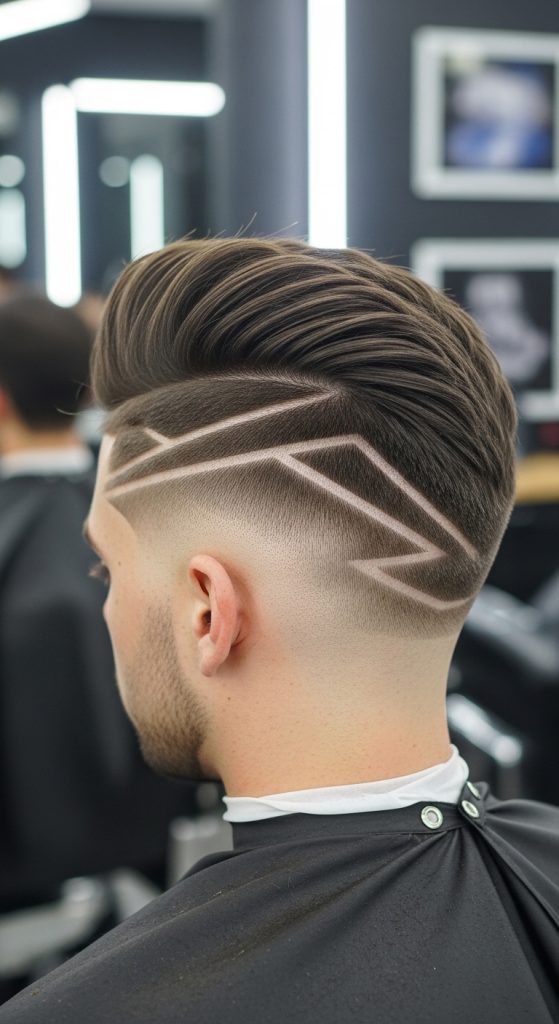
The textured lob features soft layers that create movement while maintaining overall length.
The stylist trims the baseline and then introduces subtle layers through the ends to add dimension.
Idea 6: Medium Cut with Side Layers
How to Make
 SAVE TO PINTEREST
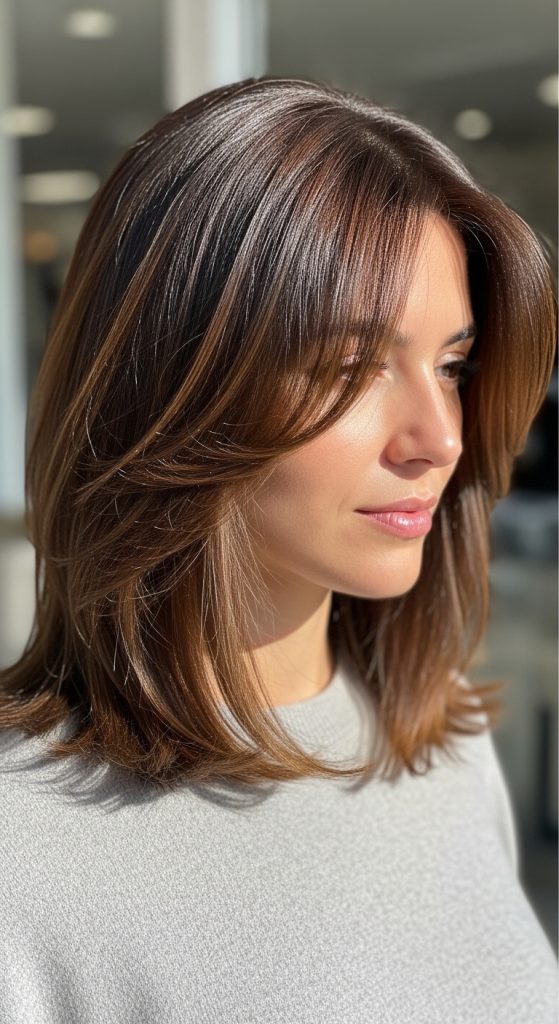
Side layers help frame the face and create the illusion of volume.
The stylist trims the baseline and then shapes the front layers slightly shorter than the back.
Idea 7: Soft Wavy Medium Cut
 SAVE TO PINTEREST
Step-by-Step Guide
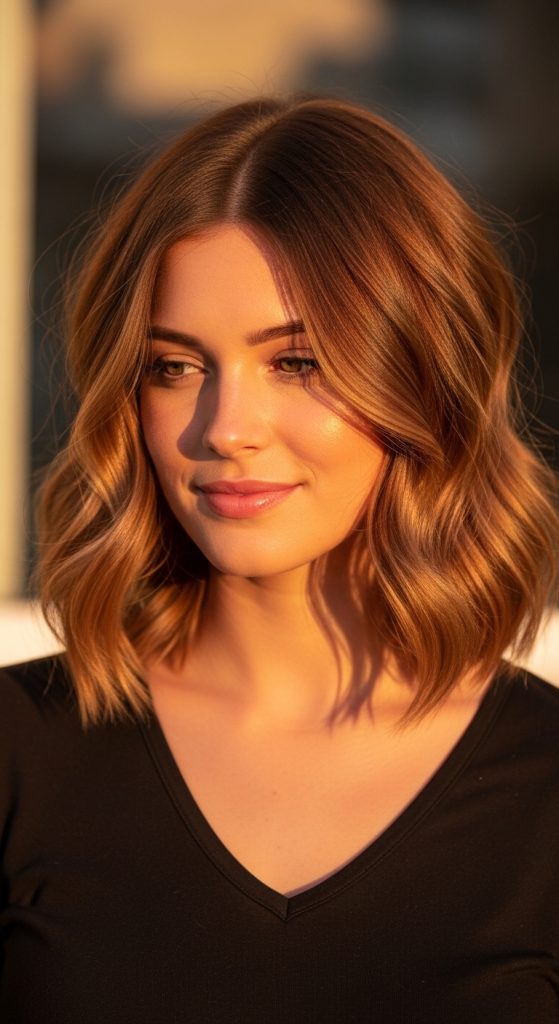
This haircut enhances natural waves while maintaining moderate length.
Layers are introduced carefully to encourage wave formation.
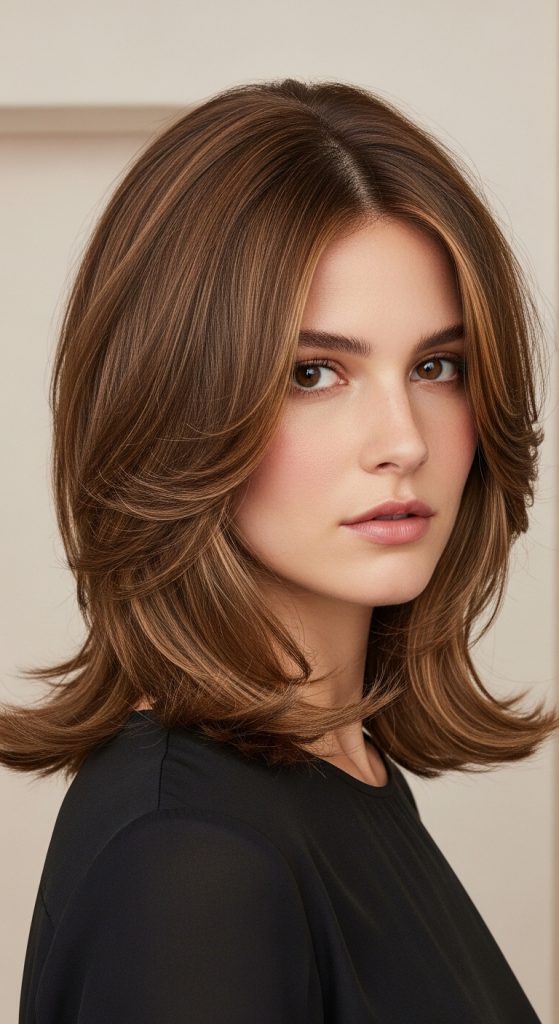
Idea 8: Medium Cut with Feathered Ends
 SAVE TO PINTEREST
How to Create
Feathered ends soften the edges of the haircut and create movement.
The stylist trims the hair evenly and then uses point cutting to taper the ends.
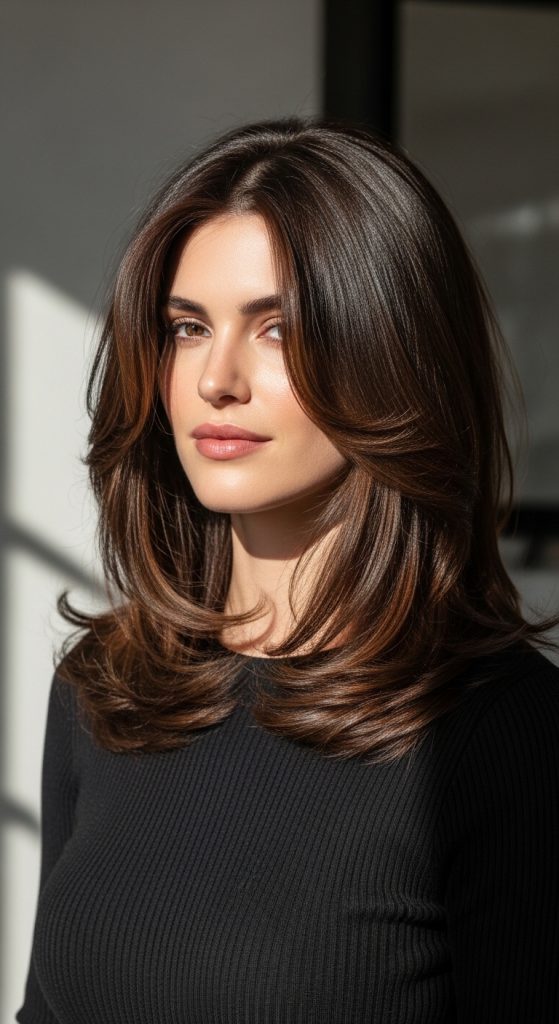
Idea 9: Layered Collarbone Cut
Execution Process
 SAVE TO PINTEREST
The collarbone cut keeps the hair slightly longer than shoulder length while adding layers for movement.
The stylist blends the layers through the mid-lengths.
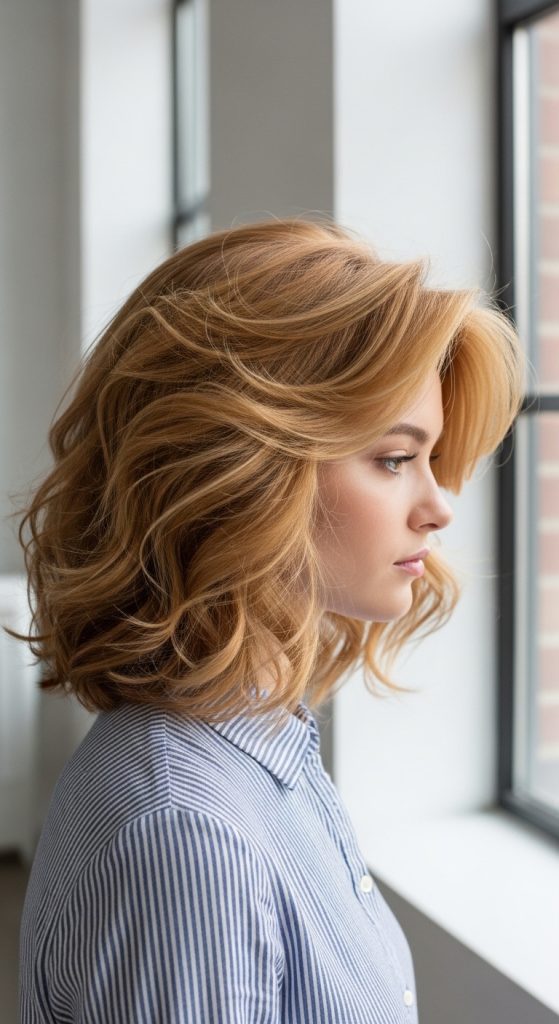
Idea 10: Voluminous Layered Medium Cut
 SAVE TO PINTEREST
How to Create
This haircut introduces layers that build height at the crown area.
The stylist trims the baseline and adds graduated layers from the crown downward.
Common Beginner Mistakes and How to Avoid Them
One common mistake when cutting thin hair is adding too many layers. Excessive layering can remove density and make the hair appear even thinner. Maintaining a balanced structure helps preserve fullness.
Practical Tips for Better Results
Using lightweight styling techniques helps maintain volume. Gentle blow drying and soft waves can enhance the layered structure.
Styling, Presentation, or Organization Ideas
Medium hairstyles can be styled straight, wavy, or lightly curled depending on the desired appearance.
Budget or Time Planning
Medium haircuts usually require maintenance trims every six to eight weeks.
Creative Expansion and Advanced Inspiration
Advanced variations may include subtle highlights, balayage color techniques, or layered fringe styles that enhance the visual dimension of medium hairstyles for fine hair.