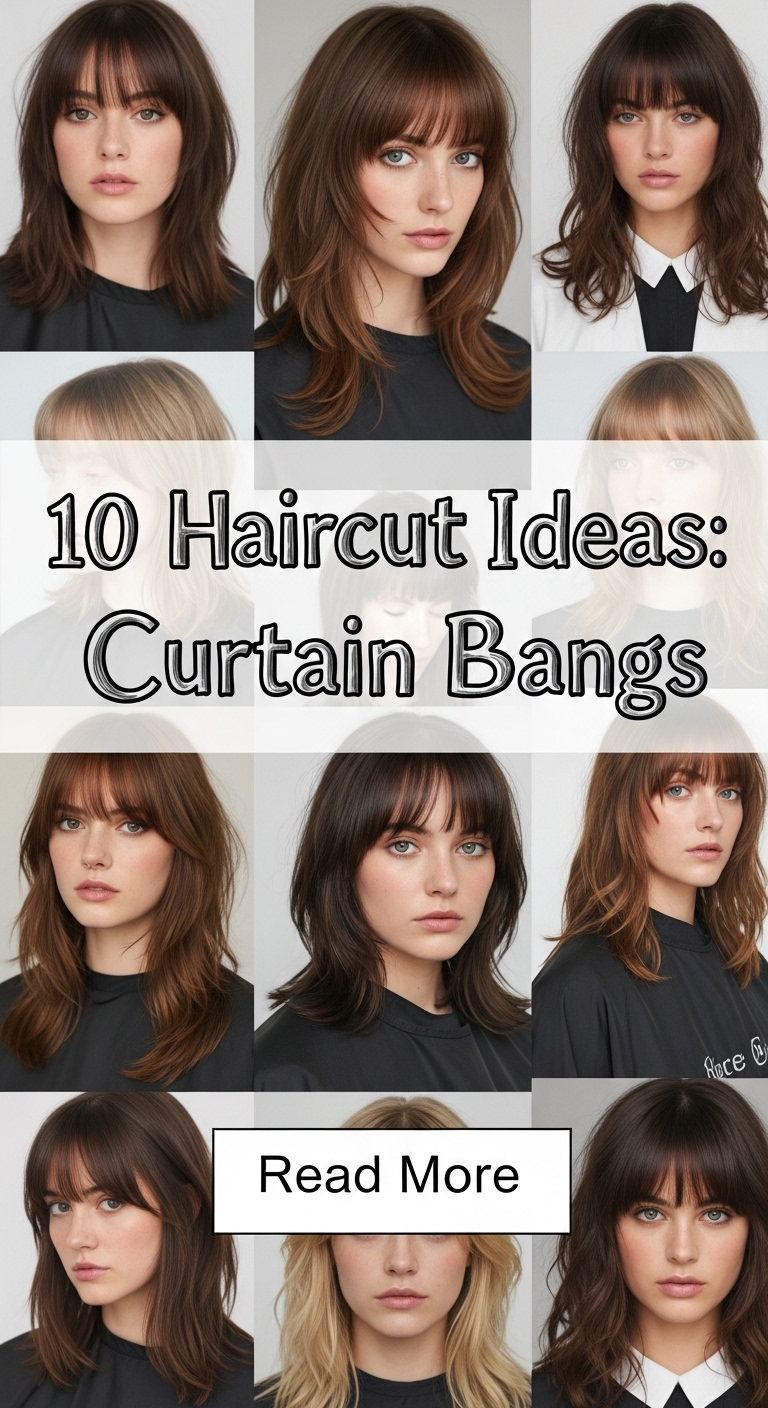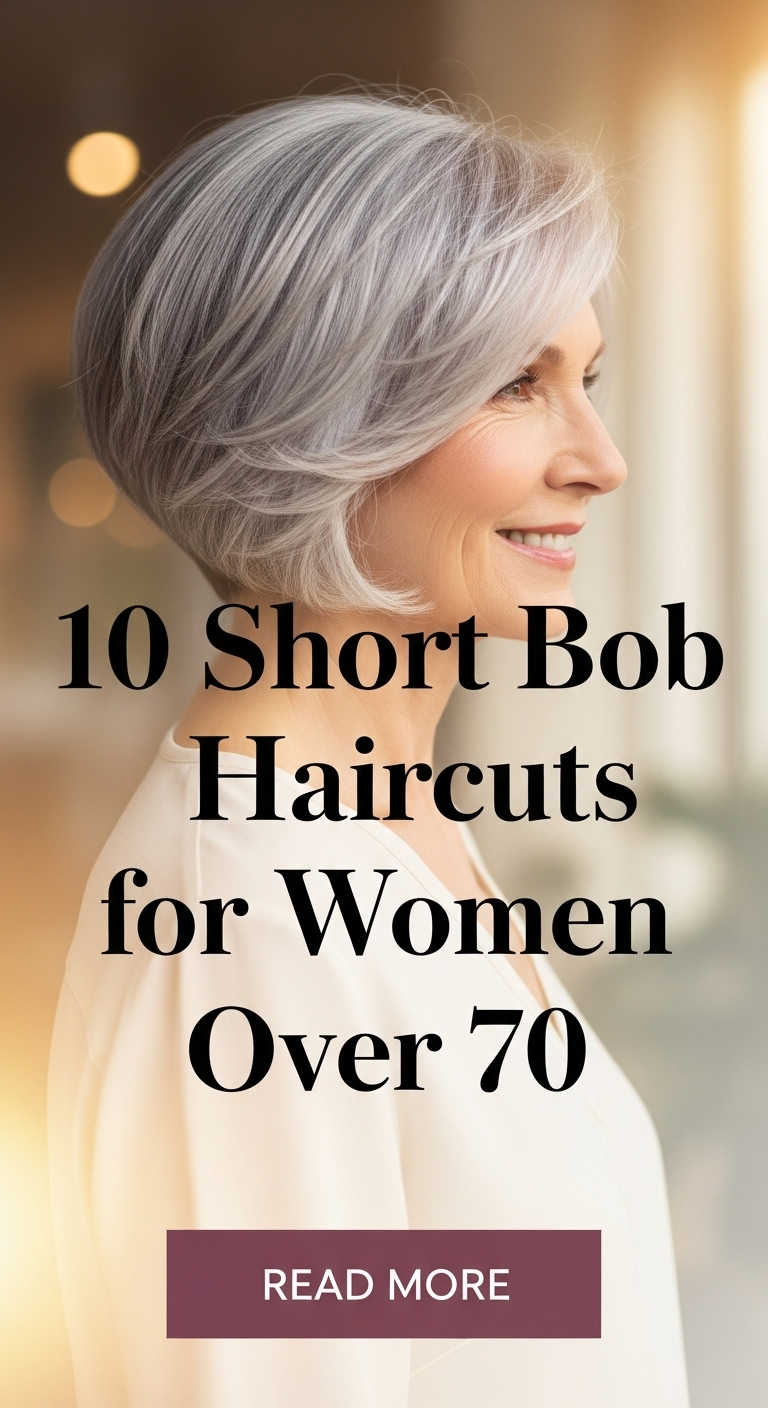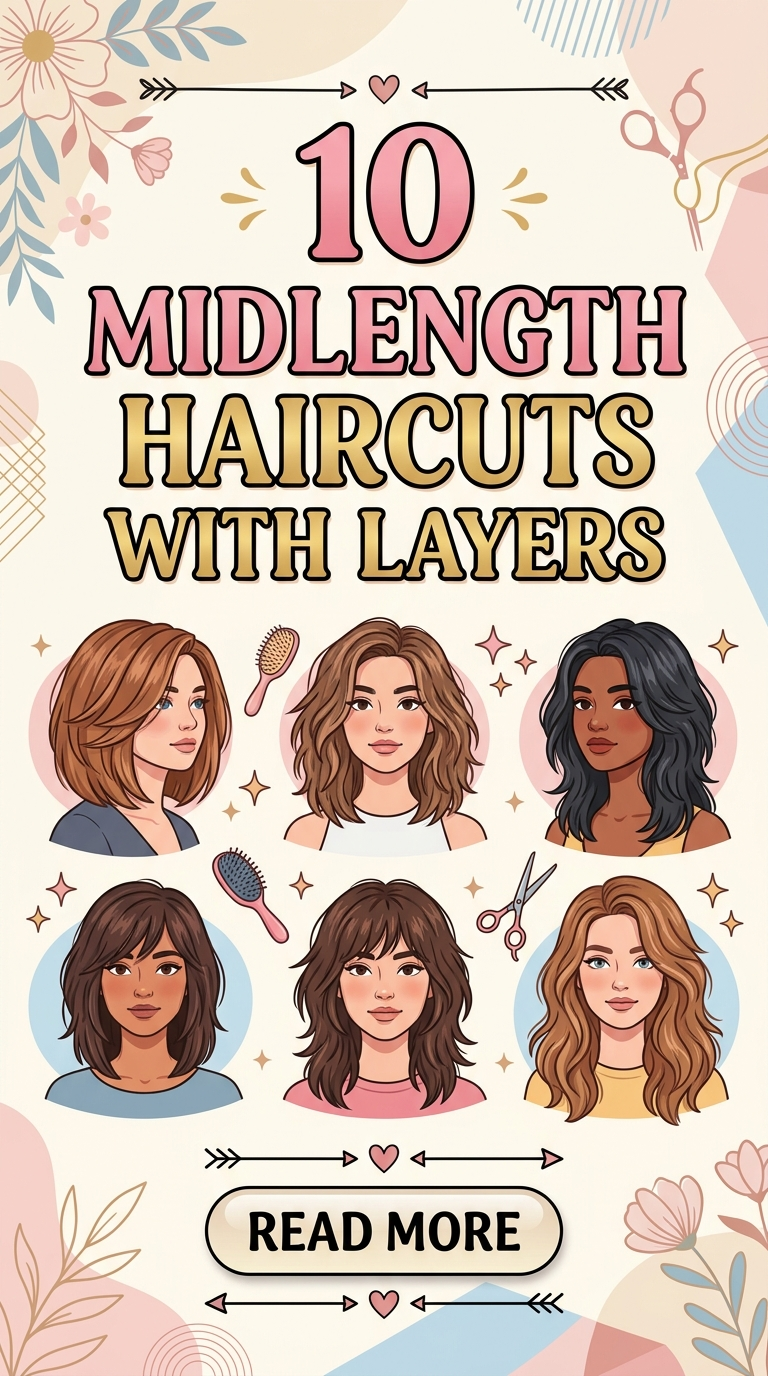
10 midlength haircuts with layers
Midlength haircuts with layers are among the most searched Pinterest ideas for modern hairstyles. This length typically falls between the shoulders and the collarbone, offering a balance between long hair versatility and short hair manageability. Many people prefer midlength hair because it allows a wide range of styling options while remaining practical for everyday routines. When layers are added to this length, the haircut gains structure, movement, and visual dimension. Instead of appearing flat or heavy, layered midlength haircuts create a dynamic shape that enhances natural hair texture.10 midlength haircuts with layers
This article explores practical layered haircut ideas designed specifically for midlength hair. Readers will learn how layering techniques influence volume, shape, and facial framing. Each hairstyle idea explains the concept behind the cut and provides step by step guidance for creating the style. These haircuts are beginner friendly and suitable for a variety of hair types including straight, wavy, and slightly curly textures. The goal is to present creative ideas that combine aesthetic appeal with realistic maintenance. By understanding how layers interact with midlength hair, readers can choose a hairstyle that provides both visual balance and styling flexibility.
Why This Idea Is Trending or Useful
Midlength layered haircuts continue to trend across Pinterest inspiration boards because they offer a versatile solution for modern hairstyling. This length provides enough hair to create waves, braids, or updos while remaining easy to maintain compared to very long hair. Layers enhance this versatility by distributing volume and preventing the hairstyle from appearing too dense or heavy.
Another reason midlength layered haircuts remain popular is their adaptability to different face shapes and hair textures. Layers can be adjusted to add height, soften facial features, or create movement through the hair. This flexibility allows individuals to customize the haircut based on their personal style preferences. Pinterest hairstyle boards frequently highlight layered midlength cuts because they demonstrate how subtle structural changes can significantly improve the appearance of the hair.
From a practical perspective, layered midlength haircuts also simplify daily styling. The layers encourage natural movement, which reduces the need for extensive heat styling. Blow drying, soft waves, or air drying can all highlight the layered structure. This combination of practicality, visual balance, and aesthetic versatility makes layered midlength haircuts widely recommended for modern hairstyles.
Materials and Preparation
Proper preparation is essential for achieving a balanced layered haircut. Basic hairstyling tools include a comb, hair clips for sectioning, professional scissors, and a blow dryer with a round brush. These tools help shape the hair and ensure the layers blend smoothly. Lightweight styling products can also help define layers and enhance movement within the hairstyle.
Hair preparation begins with washing and conditioning. Clean hair allows the stylist to observe the natural fall of the strands and determine where layers should begin. After washing, gently towel dry the hair and detangle it using a wide-tooth comb. The hair should then be divided into several sections to maintain accuracy during cutting.
Planning the layer placement is another important step. Some layered haircuts introduce shorter sections near the crown to add volume, while others focus on longer layers that create gentle movement toward the ends. The stylist must also consider hair thickness and natural texture. Straight hair often benefits from subtle layering, while wavy or curly hair may require more structured layers. With careful planning and preparation, midlength layered haircuts can achieve balanced shape, texture, and movement.
MAIN IDEAS
Idea 1: Classic Midlength Layers
How to Create
A classic midlength layered haircut focuses on creating gradual layers that enhance natural movement while preserving the overall length of the hair. This style typically falls between the shoulders and the collarbone, making it versatile for both professional and casual environments. The layers distribute volume evenly throughout the hair so the ends appear lighter and more flexible. Without layering, midlength hair can sometimes appear bulky or flat. The layered structure solves this issue by introducing subtle variations in length.
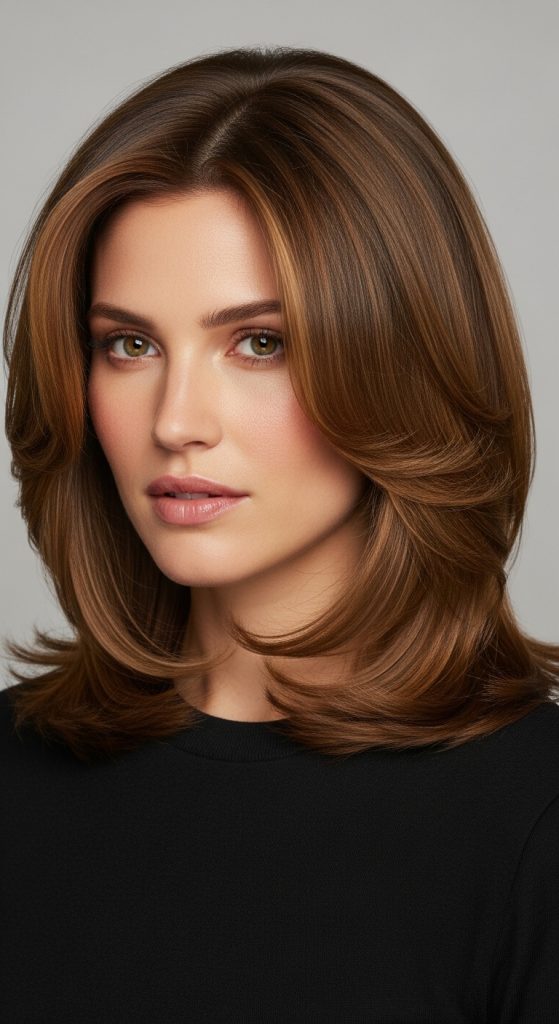
This haircut is frequently featured in Pinterest hairstyle inspiration because it provides a timeless appearance. The gradual layers create soft texture while maintaining a polished silhouette. The style works well with straight hair and slightly wavy textures, as the layers help separate strands and highlight natural shine. The result is a hairstyle that looks refined while remaining easy to maintain.
To create this haircut, begin by sectioning the hair horizontally. The base length should remain consistent at shoulder level or slightly below. Each upper section is then trimmed slightly shorter than the layer beneath it. This technique creates a smooth transition between layers.
During styling, blow dry the hair using a round brush while lifting the roots gently. This enhances volume and allows the layers to fall naturally. The finished hairstyle displays subtle movement and balanced structure.
Idea 2: Midlength Layers with Face-Framing Pieces
Step-by-Step Guide
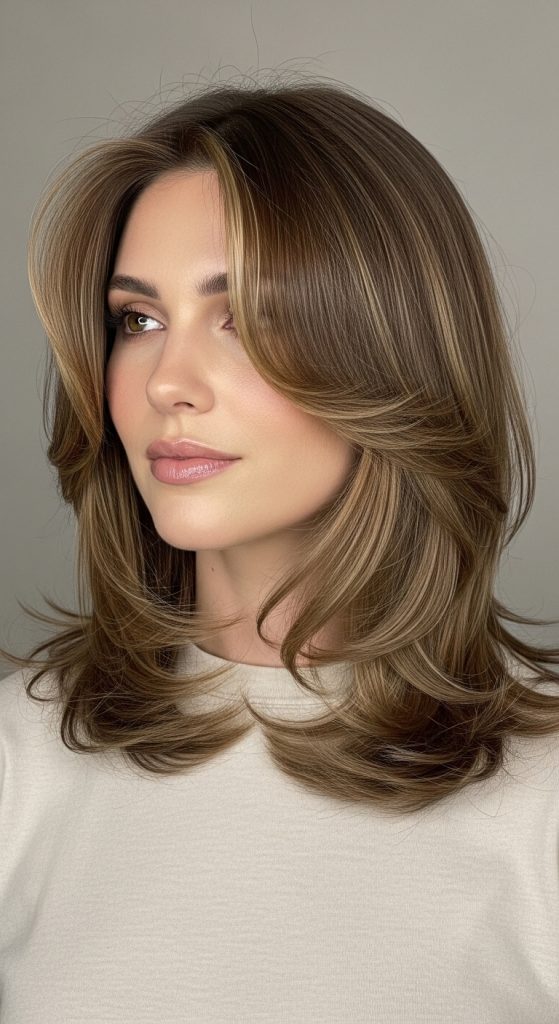
Face-framing layers are designed to highlight facial features while maintaining the overall length of midlength hair. This technique introduces shorter sections near the front of the hair that blend gradually into the longer layers behind them. These layers draw attention toward the face while softening the outline of the hairstyle.
This haircut appears frequently in Pinterest hairstyle inspiration because it enhances facial balance without dramatically changing hair length. The face-framing sections help guide attention toward the cheekbones and jawline, creating a flattering frame around the face. The remaining hair maintains its midlength structure while displaying natural movement.
To achieve this hairstyle, begin by trimming the base length of the hair to reach the shoulders or collarbone. Next, separate the front sections near the temples. These sections are cut slightly shorter, beginning around the cheekbone area.
The shorter front layers should blend gradually into the longer hair behind them. This blending prevents abrupt transitions and maintains a smooth layered effect. When styling, blow dry the front layers away from the face using a round brush. This technique enhances the framing effect and highlights the layered structure.
Idea 3: Feathered Midlength Layers
How to Make
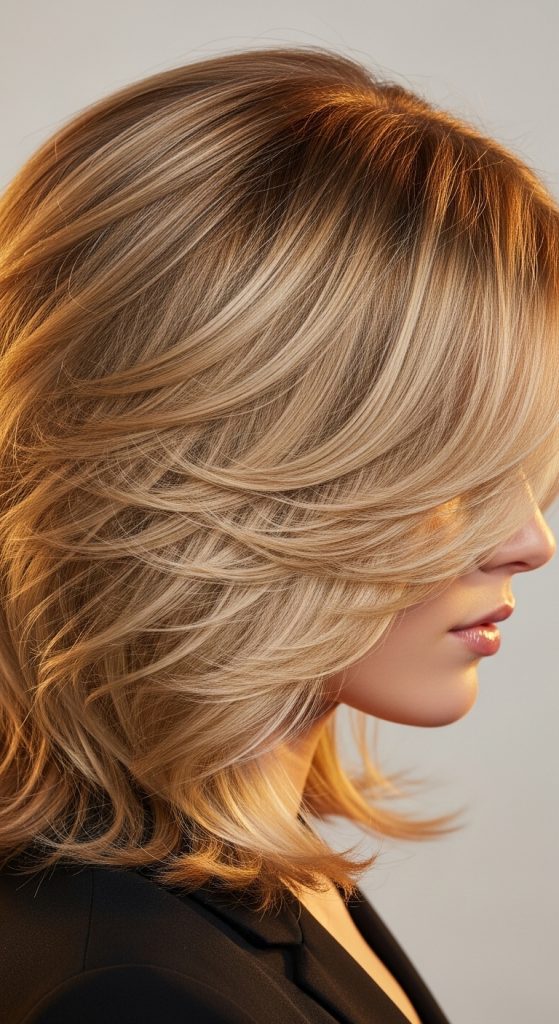
Feathered layers introduce a lightweight texture that gives midlength hair a soft flowing appearance. The feathering technique focuses on tapering the ends of the hair so they appear airy rather than blunt. This method creates movement throughout the hairstyle while maintaining a smooth overall silhouette.
Feathered midlength haircuts are widely featured in Pinterest hairstyle inspiration because they create elegant movement. The feathered ends spread slightly outward when styled, which enhances the layered structure. This technique works particularly well with straight or softly wavy hair textures.
To create feathered layers, begin with a midlength haircut that reaches the shoulders. Gradual layers are introduced throughout the hair, with the shortest layers beginning near the chin. The ends of each layer are then softened using texturizing techniques.
During styling, blow dry the hair using a round brush and rotate the brush outward near the ends. This motion encourages the feathered shape to appear naturally. The finished hairstyle displays soft flowing layers that move easily with natural motion.
Idea 4: Midlength Shag with Layers
How to Create
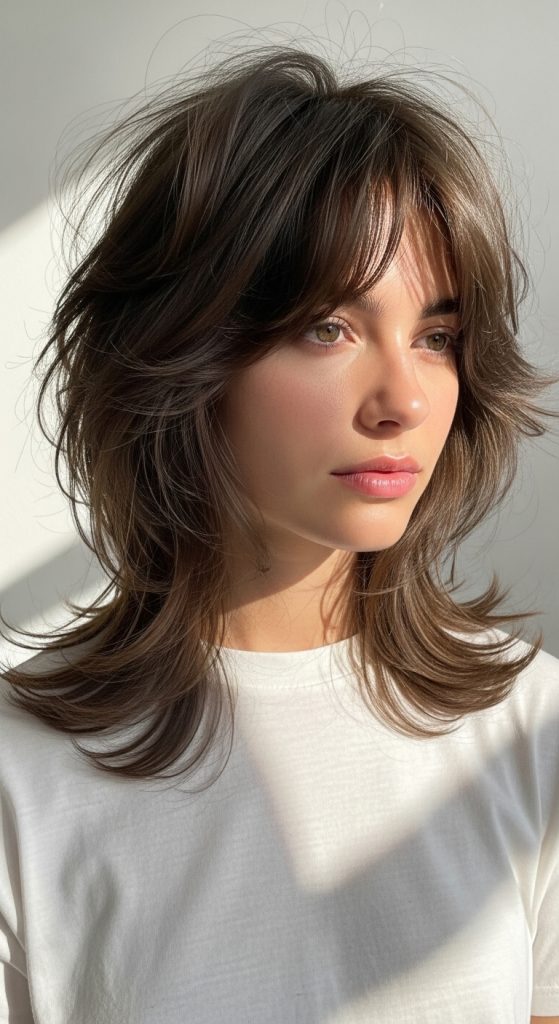
A midlength shag haircut introduces textured layers throughout the hair to create movement and volume. This hairstyle typically falls around the shoulders and includes multiple layers distributed from the crown to the ends. The shag style focuses on creating a relaxed silhouette where each layer contributes to a soft, tousled appearance. Instead of maintaining smooth uniform lines, the haircut uses varied lengths to emphasize texture and dimension. This approach allows the hair to appear fuller while maintaining natural flow.
Midlength shag haircuts are commonly featured in Pinterest hairstyle inspiration because they combine structure with effortless styling. The layers encourage hair to move naturally, making the hairstyle suitable for both straight and wavy textures. The slightly uneven layering helps prevent the hair from appearing flat or overly polished. Instead, the haircut displays a modern aesthetic that highlights texture. The result is a hairstyle that appears casual yet thoughtfully structured.
To create this haircut, begin by trimming the base length of the hair so it falls around shoulder level. Next, introduce shorter layers near the crown and gradually blend them downward toward the ends. The layering should remain evenly distributed to maintain balance throughout the hairstyle.
When styling, apply a lightweight styling product and blow dry the hair while lifting the roots slightly. This technique enhances the textured layers and creates natural volume.
Idea 5: Midlength Lob with Layers
Step-by-Step Guide
The layered lob, or long bob, is a structured hairstyle that falls between the chin and the shoulders. This haircut combines the clean outline of a bob with subtle layers that create movement throughout the hair. Without layering, a lob may appear too blunt and heavy at the ends. Introducing layers softens the overall silhouette and allows the hair to flow more naturally.
Layered lobs are widely featured in Pinterest hairstyle inspiration because they provide a polished appearance while remaining practical for daily styling. The midlength structure makes the hairstyle manageable, while the layers prevent the hair from appearing too dense. This balance creates a hairstyle that suits many face shapes and hair textures.
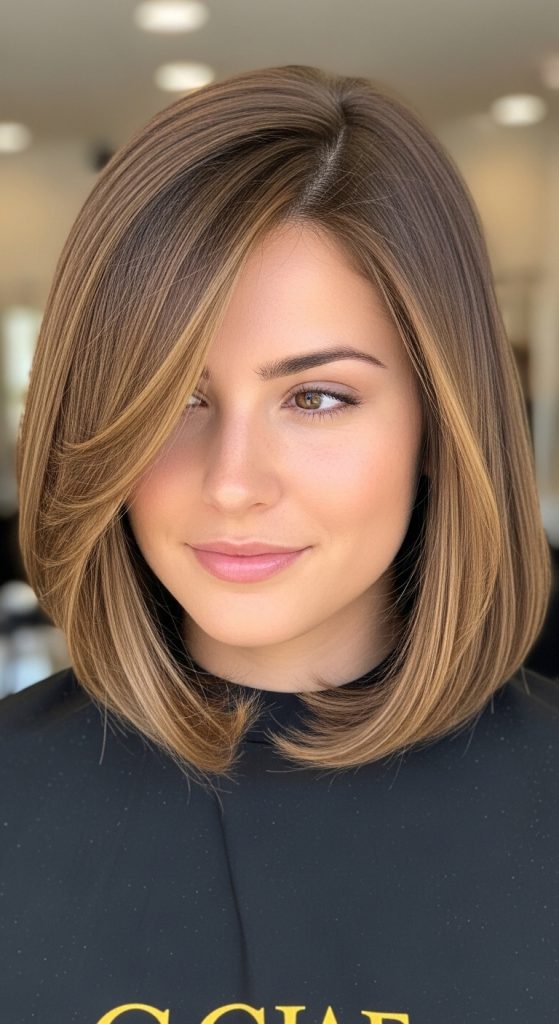
To achieve this haircut, begin by cutting the hair to a length that rests slightly below the shoulders. The back should remain slightly shorter than the front to maintain the traditional lob outline. After establishing the base shape, introduce layers through the mid sections and ends of the hair.
These layers should remain subtle and blend smoothly into the overall haircut. During styling, blow dry the hair using a round brush while directing the ends inward. This technique highlights the layered structure while maintaining a sleek appearance.
Idea 6: Textured Midlength Layers
How to Make
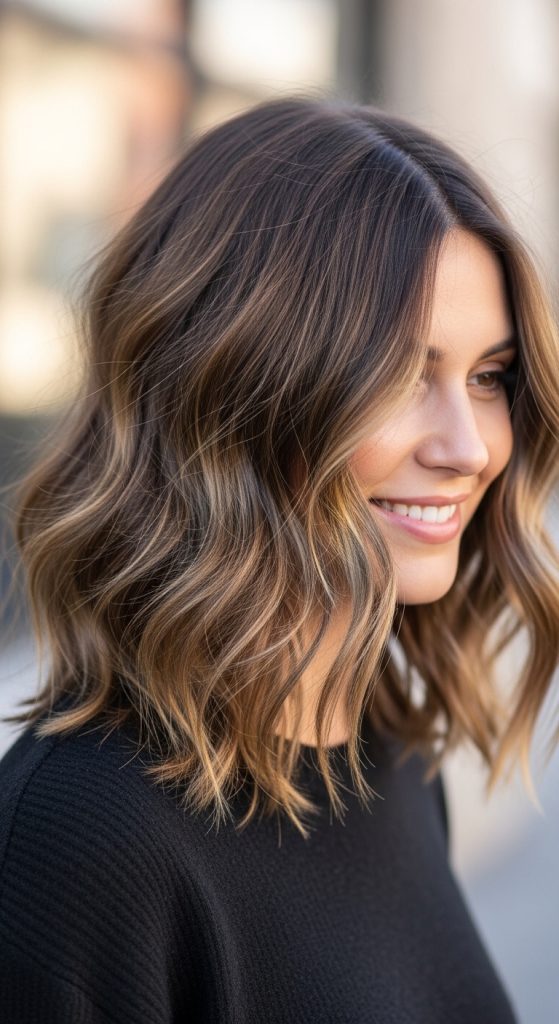
Textured midlength layers focus on creating visible separation between strands to enhance movement and depth. This hairstyle differs from traditional layering because it emphasizes texture rather than smooth transitions. The layers are cut strategically so the ends appear soft and slightly irregular, creating a natural appearance.
Textured layers are often featured in Pinterest hairstyle inspiration because they highlight modern hair design trends. Instead of relying on heavy styling, the haircut itself creates movement within the hair. This makes the hairstyle particularly suitable for individuals who prefer a relaxed aesthetic. The texture helps break up uniform lines and adds visual interest to midlength hair.
To create textured layers, begin with a base haircut that falls around shoulder length. The hair is then sectioned into multiple layers. Each section is trimmed using techniques that soften the ends rather than leaving them blunt. This approach allows the hair to fall naturally without appearing overly structured.
When styling, use a diffuser or round brush to enhance natural movement. Lightly separating the strands with fingers helps emphasize the textured layers. The finished hairstyle displays noticeable depth and dimension throughout the hair.
Idea 7: Crown Layered Midlength Cut
How to Create
A crown layered haircut focuses on introducing shorter layers near the top of the head while maintaining midlength hair overall. This technique adds height and volume at the crown, preventing the hairstyle from appearing flat. The shorter layers blend gradually into the longer sections of the hair, creating a balanced silhouette.
Crown layers are frequently highlighted in Pinterest hairstyle inspiration because they enhance volume without removing too much length. This makes the haircut ideal for individuals who want fuller hair while maintaining a manageable midlength style. The layering technique distributes weight evenly throughout the hairstyle.
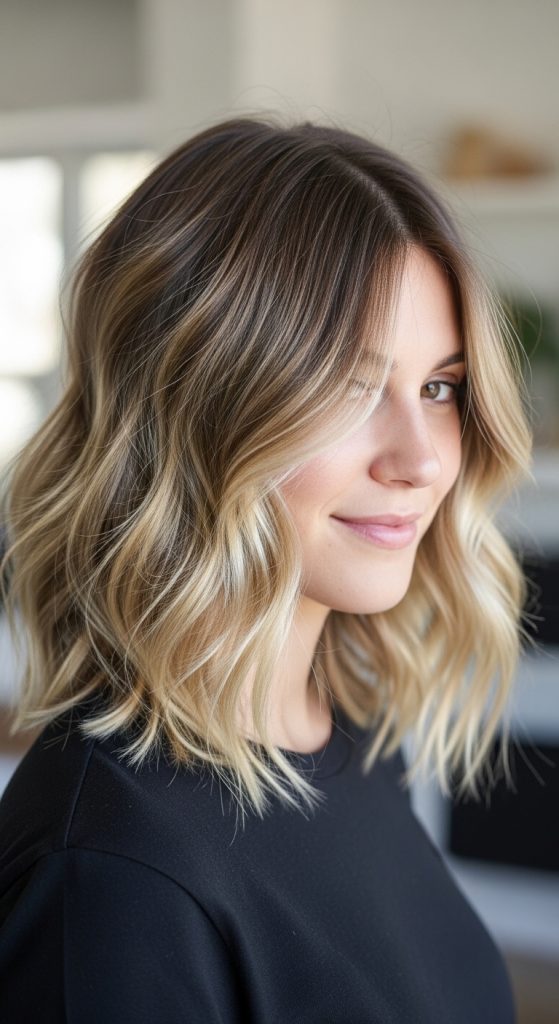
To create this haircut, the stylist begins by sectioning the hair at the crown. These sections are trimmed slightly shorter than the surrounding hair. The shorter layers should blend smoothly into the midlength strands below.
During styling, blow dry the hair while lifting the roots near the crown using a round brush. This technique emphasizes the layered structure and increases volume at the top of the hairstyle.
Idea 8: Midlength Layers with Curtain Bangs
Execution Process
Curtain bangs paired with midlength layers create a hairstyle that combines facial framing with natural movement. Curtain bangs are parted near the center and fall gently along the sides of the face. This style softens facial contours while allowing the layered hair to maintain its flow.
Pinterest hairstyle inspiration frequently features curtain bangs because they integrate easily with layered haircuts. The bangs gradually blend into the surrounding layers, creating a smooth transition between the front and sides of the hairstyle. This blending effect prevents the bangs from appearing disconnected.
To create this hairstyle, begin with a midlength layered haircut that falls around the shoulders. The curtain bangs are then cut shorter at the center and slightly longer toward the sides. This shape allows the bangs to frame the face naturally.
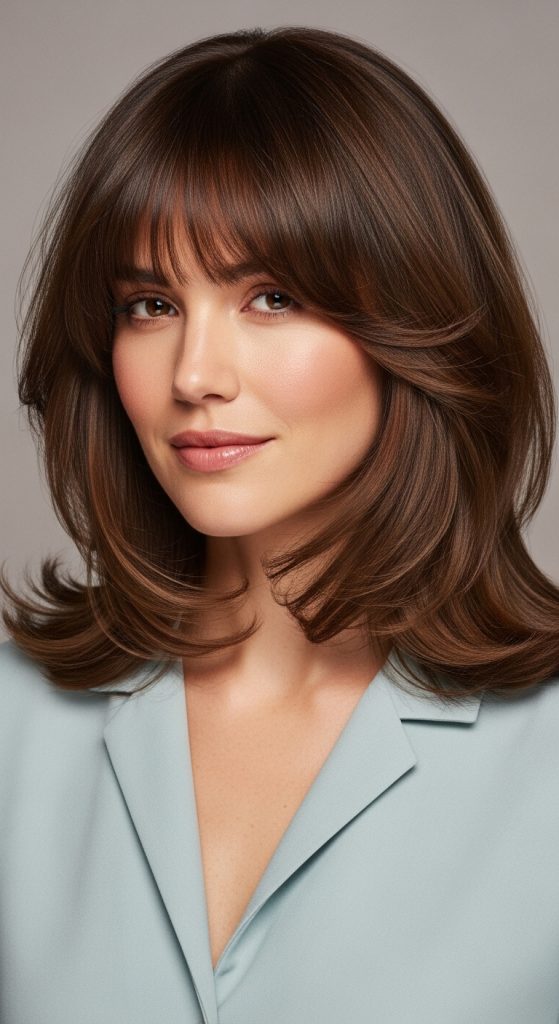
When styling, use a round brush to blow dry the bangs away from the face. The remaining hair can be styled straight or with soft waves. This technique highlights both the layered structure and the face-framing effect.
Idea 9: Wavy Midlength Layered Haircut
Setup Method
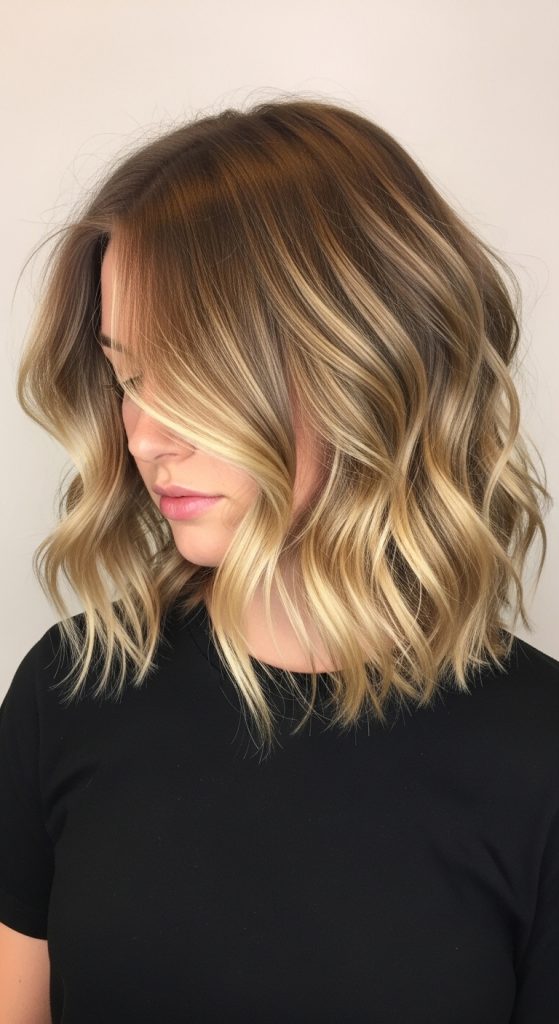
A wavy midlength layered haircut enhances natural wave patterns by introducing layers that encourage movement. Waves naturally expand outward, which can sometimes create a triangular shape if the hair is cut in one length. Layering distributes volume more evenly, allowing waves to fall smoothly along the sides.
This hairstyle appears frequently in Pinterest hairstyle inspiration because it emphasizes natural texture while maintaining a structured shape. The layers help waves form distinct sections that create visual depth throughout the hair.
To create this haircut, begin with a base length that reaches the shoulders or collarbone. Gradual layers are then introduced throughout the hair, starting slightly below the cheekbones and blending toward the ends.
When styling, use a curling iron or diffuser to enhance the natural wave pattern. Gently separate the waves using fingers to maintain softness. The finished hairstyle highlights both texture and layered movement.
Idea 10: Side-Swept Midlength Layers
Step-by-Step Guide
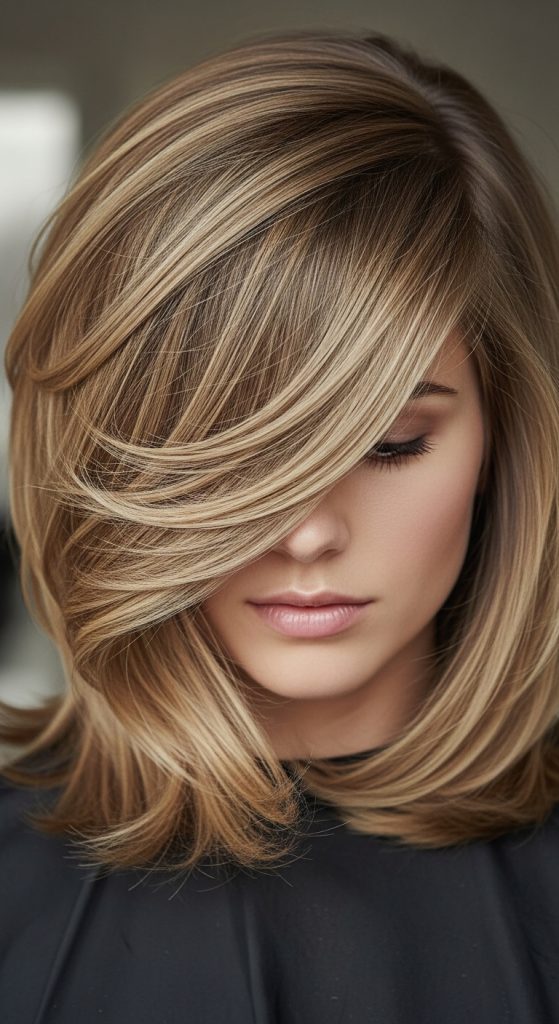
Side-swept layered midlength haircuts emphasize asymmetry to create a dynamic hairstyle. The hair is parted deeply on one side so the layers fall diagonally across the face. This structure adds visual interest while highlighting the layered design.
Side-swept styles are widely featured in Pinterest hairstyle inspiration because they provide an elegant appearance while remaining easy to style. The diagonal movement created by the part helps guide attention across the hairstyle and enhances the layered texture.
To create this haircut, begin with a midlength layered base that falls around the shoulders. The layers should remain evenly distributed throughout the hair to maintain balance.
When styling, create a deep side part and blow dry the hair using a round brush. Direct the hair across the forehead toward one side to form the sweeping effect. The layered structure becomes more visible as the hair falls diagonally. This step-by-step approach produces a hairstyle that appears both structured and dynamic.