10 Freestyle Design Haircut Ideas
 SAVE TO PINTEREST
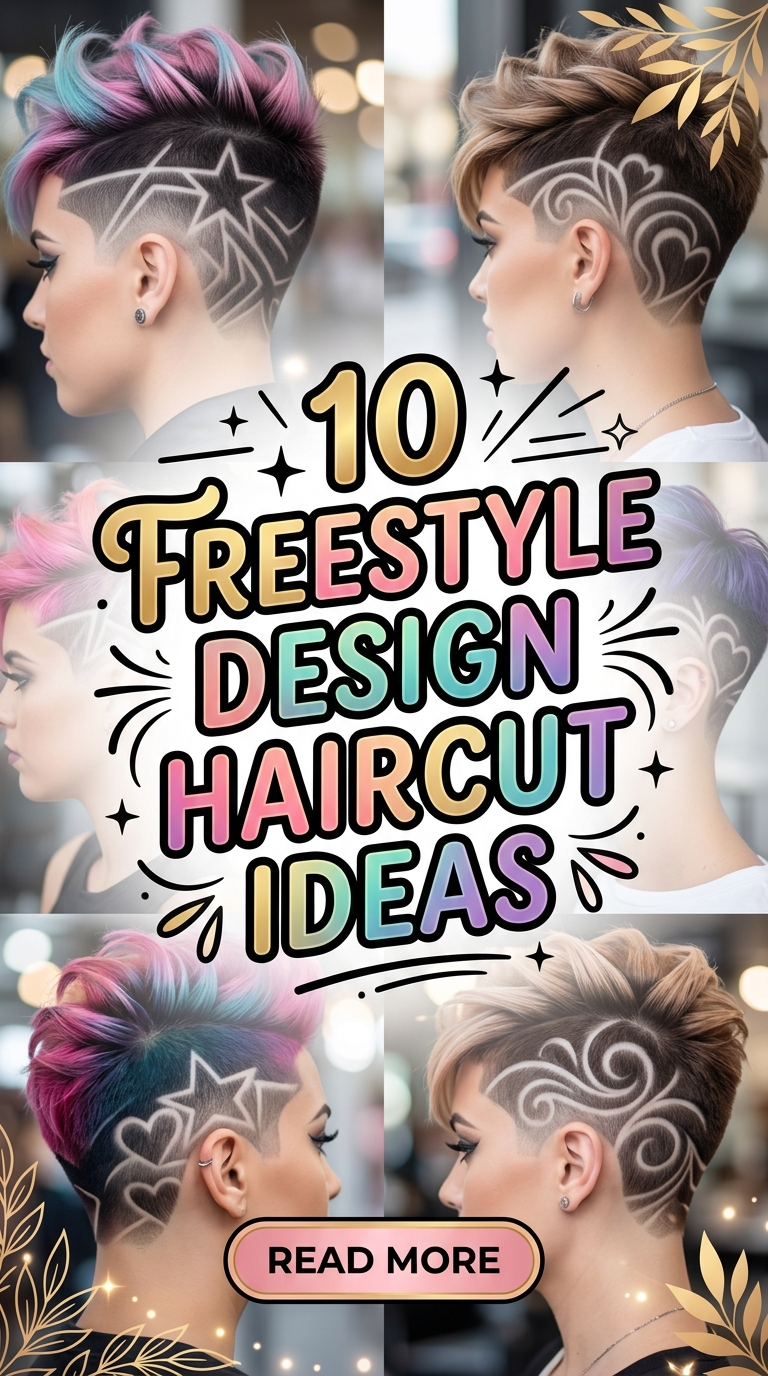
Freestyle design haircuts have become a popular form of creative expression in modern barbering. These haircuts combine traditional fading techniques with artistic line work, patterns, and custom shapes shaved into the hair.
Pinterest inspiration boards frequently showcase freestyle haircut designs because they highlight individuality and artistic skill while still maintaining structured haircuts. Unlike standard styles, freestyle designs allow barbers to create unique patterns that transform a simple haircut into a personalized visual statement.
The freestyle design haircut usually involves a clean fade or taper as the base structure. Once the foundation haircut is complete, a barber uses precision trimmers to carve patterns or shapes into the faded area. These designs can range from simple geometric lines to more detailed artistic patterns. Because each design can be customized, the haircut becomes a unique creative project tailored to the individual.
This article presents ten freestyle design haircut ideas that demonstrate different approaches to barber artistry. Each idea explains the design concept and outlines the step by step process used to create the haircut. Readers will gain practical inspiration for creative haircuts that combine modern grooming techniques with artistic detail.
Why This Idea Is Trending or Useful
Freestyle design haircuts are trending on Pinterest because they combine traditional grooming with creative self-expression. Many individuals want haircuts that stand out visually while still maintaining a clean and structured appearance. Freestyle designs achieve this balance by adding artistic elements to classic haircut foundations such as fades, tapers, and short textured tops.
Pinterest ideas often feature these haircuts because they highlight the creativity of barbers and the individuality of the person wearing the design. A freestyle haircut can incorporate geometric shapes, curved lines, or layered patterns that reflect personal style. This flexibility allows the haircut to evolve with new trends while maintaining its artistic foundation.
Another reason these haircuts are widely shared is their accessibility for different hair types and lengths. Most freestyle designs are carved into faded sides or tapered sections, which means the top hair can remain styled in many ways. This adaptability allows individuals to experiment with creative designs while keeping the haircut practical for everyday life.
Materials and Preparation
Creating a freestyle design haircut requires professional barbering tools and careful preparation. The essential tools include electric hair clippers with adjustable guards, precision trimmers, barber scissors, a fine comb, and sectioning clips. A spray bottle filled with water is often used to dampen the hair slightly, making it easier to control during cutting.
Preparation begins by establishing the base haircut. Most freestyle designs are placed on a fade or taper because the gradual transition between hair lengths provides a clean canvas for the design. The barber typically trims the sides and back using clippers to create the desired fade level. This step ensures the design stands out clearly against the surrounding hair.
Once the fade is complete, the barber plans the design placement. The pattern is usually visualized before cutting to maintain balance and symmetry. Some barbers sketch the design lightly with the trimmer before carving deeper lines. Careful planning helps ensure the design remains proportional and aligned with the haircut. Proper preparation is essential for achieving sharp, clean lines in freestyle haircut designs.
MAIN IDEAS SECTION
Idea 1: Simple Line Freestyle Design
How to Create
 SAVE TO PINTEREST
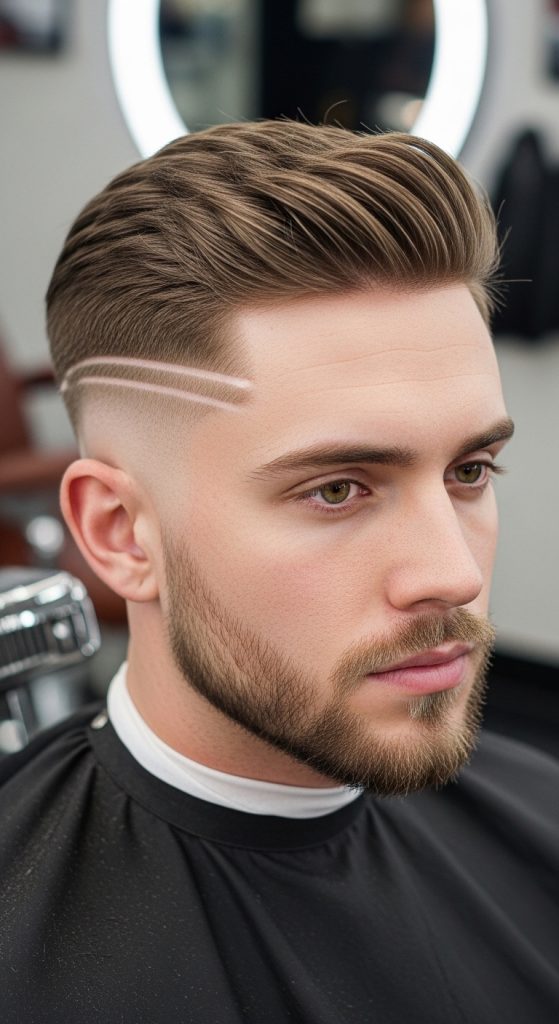
The simple line freestyle design is one of the most popular entry-level haircut designs. This style features one or two clean lines shaved into the faded section of the haircut. The lines can run diagonally, vertically, or slightly curved depending on the desired aesthetic. Because the design is minimal, it highlights the precision of the barber’s technique while maintaining a neat overall appearance.
Pinterest hairstyle inspiration often features simple line designs because they provide a subtle way to add creativity to a haircut. The clean lines contrast with the faded background, creating a sharp visual effect. This design works well for individuals who want a stylish detail without introducing complex patterns. It is also suitable for school or professional environments because the design remains understated.
The simple line design is particularly effective when paired with a low or mid fade. The gradual fade creates a smooth surface where the lines can stand out clearly. This combination results in a haircut that looks modern and well-defined.
To create this design, the barber begins by completing the fade on the sides and back using clippers. The fade should transition smoothly from shorter hair near the neckline to slightly longer hair near the crown.
Next, the barber uses a precision trimmer to draw the first line into the faded area. The trimmer is guided slowly to maintain a straight and even shape.
If a second line is added, it is positioned parallel or slightly angled to complement the first line. The final step involves refining the edges to ensure the lines appear sharp and symmetrical.
Idea 2: Double Line Design
Step-by-Step Guide
 SAVE TO PINTEREST
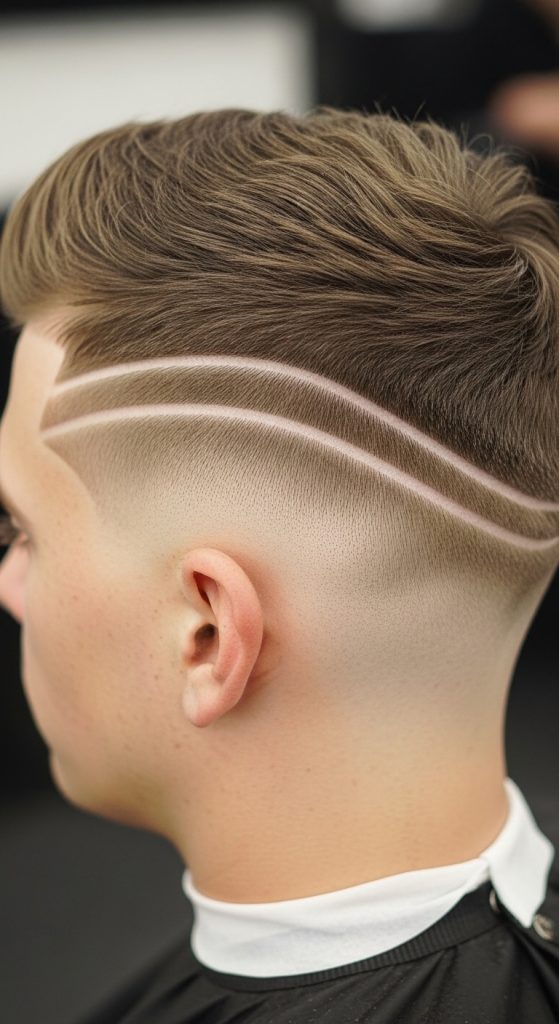
The double line freestyle haircut introduces two parallel lines carved into the faded section of the haircut. This design builds on the simplicity of a single line while adding extra visual interest. The lines can be positioned close together or spaced slightly apart depending on the desired look.
Pinterest boards often highlight double line designs because they create a clean and modern appearance. The lines follow the natural curve of the head, which helps integrate the design with the overall haircut structure. This variation works particularly well with mid fades or taper fades because the lines become more visible against the gradual transition of hair lengths.
Another advantage of the double line design is its versatility. The lines can run from the temple toward the back of the head or curve around the fade area. These variations allow the design to appear customized while maintaining a balanced appearance.
To create this design, the barber first completes the fade using clippers. The fade provides the background that makes the design visible.
Next, the barber uses a precision trimmer to carve the first line into the fade. The second line is then placed parallel to the first, maintaining consistent spacing.
The final step involves refining both lines by removing stray hairs around the edges. This process ensures the lines appear crisp and evenly shaped.
Idea 3: Lightning Bolt Design
How to Make
 SAVE TO PINTEREST
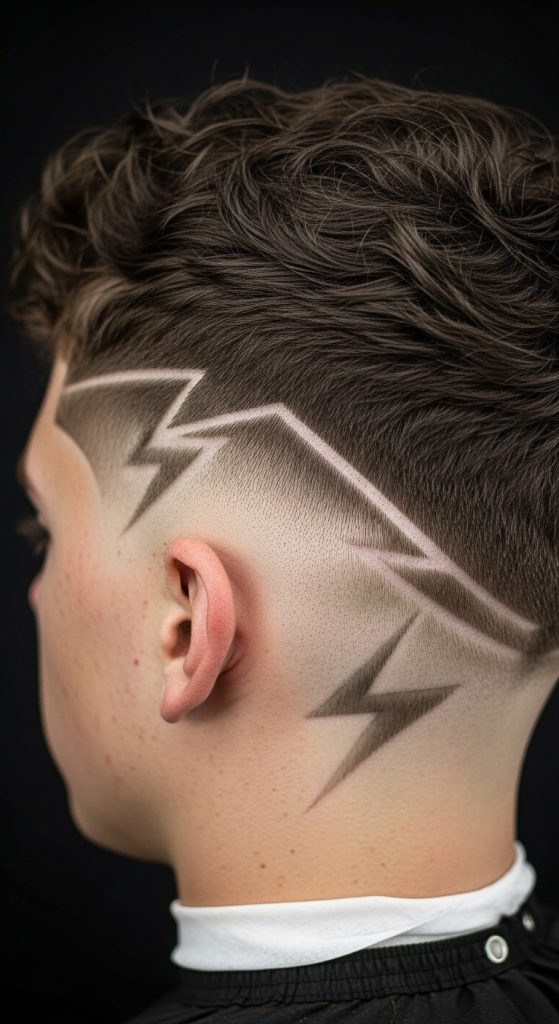
The lightning bolt design introduces a zigzag pattern carved into the faded area of the haircut. This pattern creates a bold visual effect that resembles the shape of a lightning strike. The sharp angles of the design contrast with the smooth fade, making the pattern stand out clearly.
Pinterest inspiration frequently features lightning bolt hair designs because they appear energetic and modern. The zigzag pattern draws attention to the side of the head while maintaining a clean and structured haircut. This style works particularly well for individuals who want a more noticeable freestyle design.
The lightning bolt design can also be adjusted in size and complexity. Some versions feature a single bolt shape, while others include additional smaller lines that enhance the overall pattern.
To create this design, the barber begins by trimming the fade on the sides and back. The fade should provide enough contrast to highlight the design.
Next, the barber lightly sketches the lightning shape with a trimmer before carving the lines more deeply. This approach helps maintain accuracy while shaping the angles.
Once the pattern is complete, the barber cleans the edges around the design to sharpen the lines. The finished haircut highlights the striking zigzag shape.
Idea 4: Curved Wave Design
 SAVE TO PINTEREST
How to Create
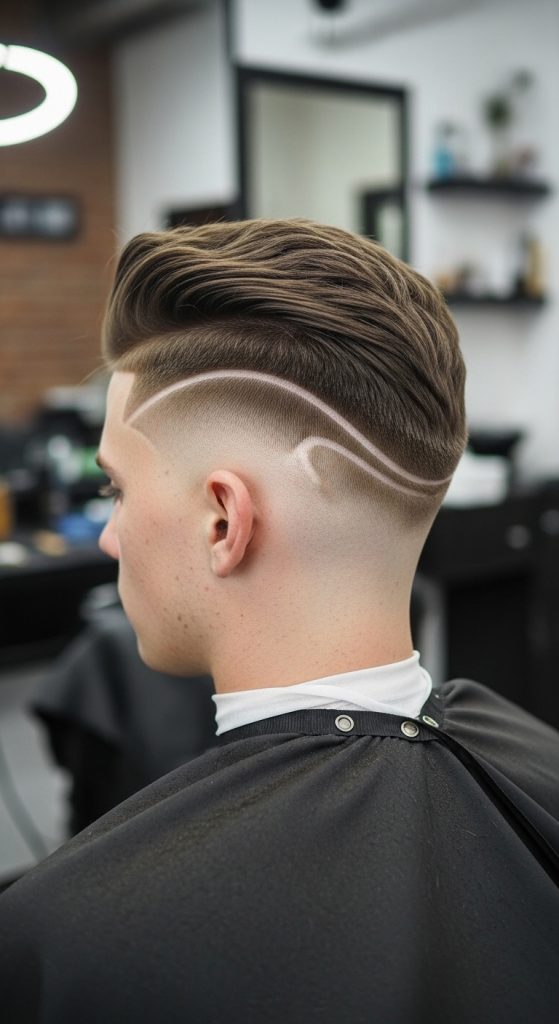
The curved wave design introduces flowing lines that follow the natural contour of the head. These lines resemble waves and create a softer freestyle design compared to geometric patterns.
The barber begins by establishing the fade and then carving curved lines with a trimmer. The lines are shaped gradually to create smooth arcs.
Idea 5: Star Freestyle Design
Execution Process
 SAVE TO PINTEREST
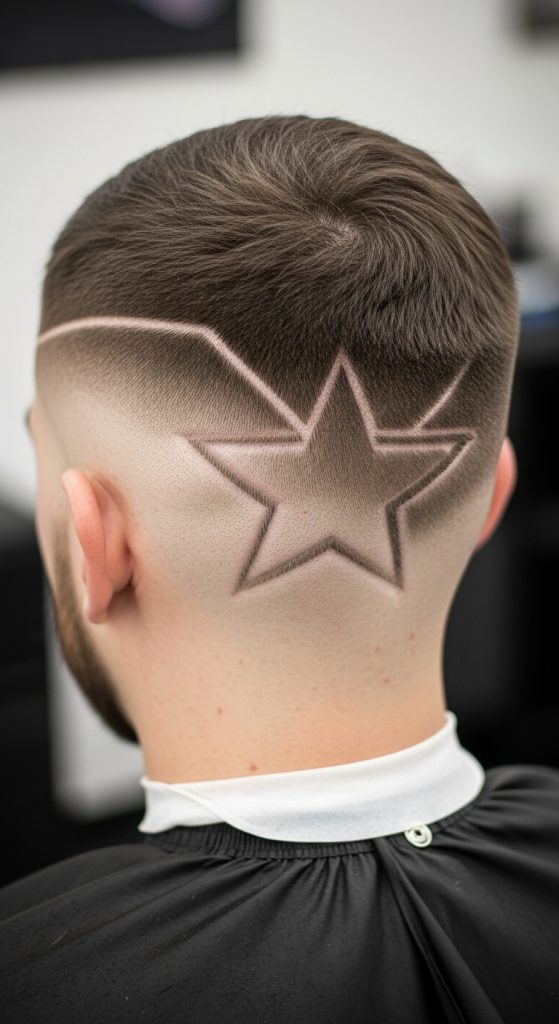
The star design is a more detailed freestyle haircut that features a star-shaped pattern carved into the fade.
The barber sketches the star shape first and then carefully trims each line using precision trimmers.
Idea 6: Triangle Pattern Design
How to Make
 SAVE TO PINTEREST
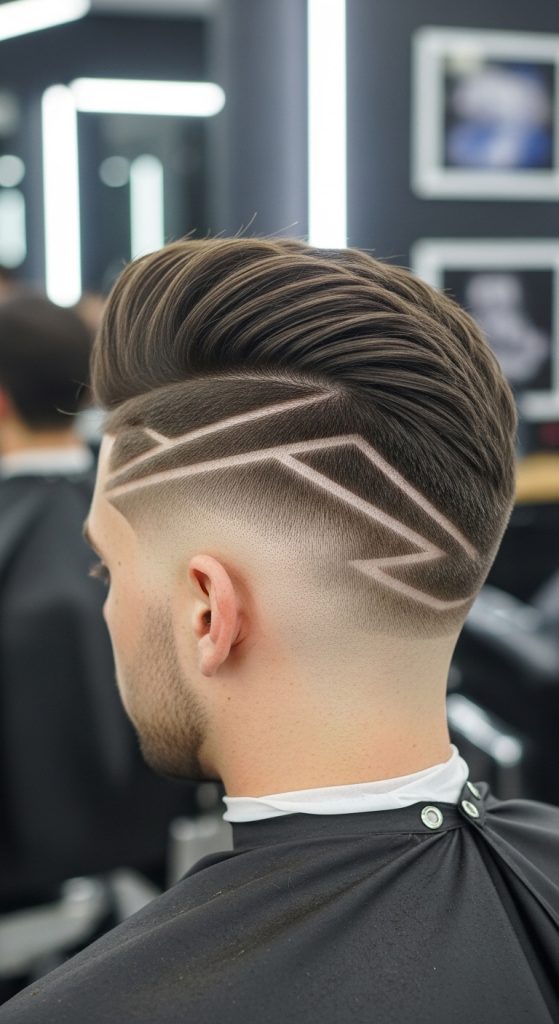
Triangle patterns create geometric designs within the fade. These shapes add sharp visual contrast to the haircut.
The barber carves triangular outlines and cleans the surrounding hair to emphasize the shapes.
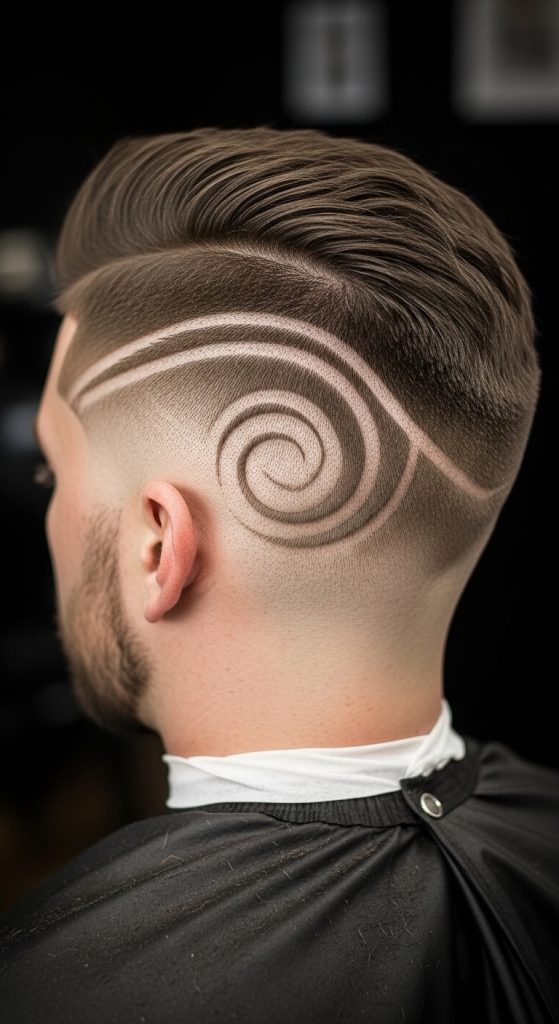
Idea 7: Spiral Freestyle Design
 SAVE TO PINTEREST
Step-by-Step Guide
The spiral design creates a swirling pattern carved into the faded section of the haircut.
The barber begins with a small curved line and gradually expands the spiral outward.
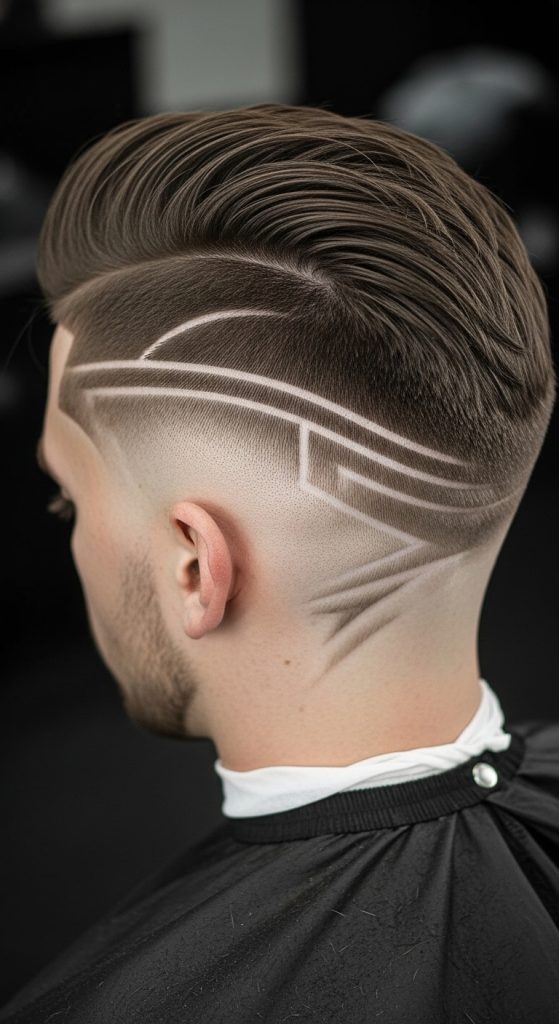
Idea 8: Abstract Line Design
How to Create
 SAVE TO PINTEREST
Abstract freestyle designs combine curved and straight lines that form artistic patterns.
The barber visualizes the design before carving the lines into the fade.
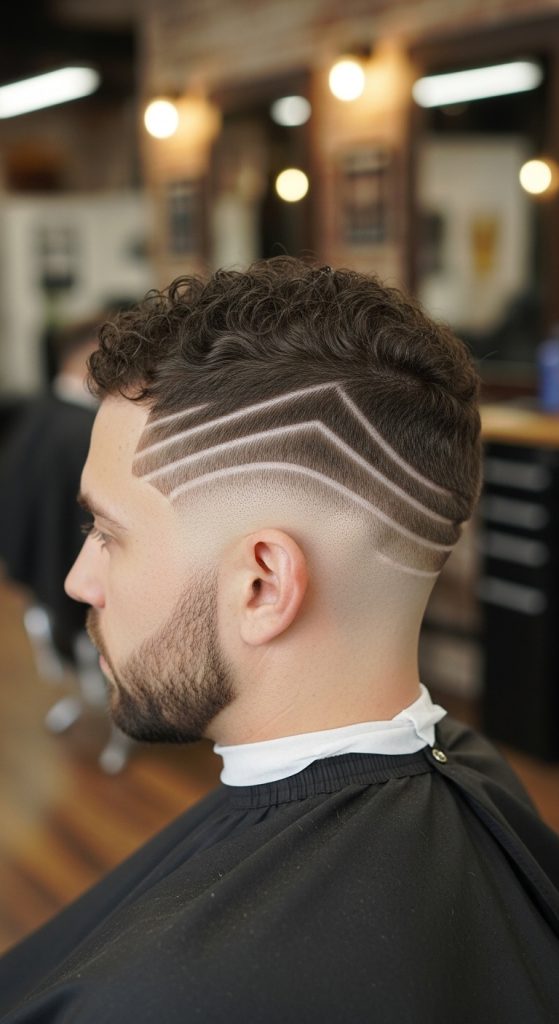
Idea 9: Layered Line Design
Execution Process
This design uses multiple overlapping lines that create depth and movement.
 SAVE TO PINTEREST
The barber layers the lines gradually across the fade.
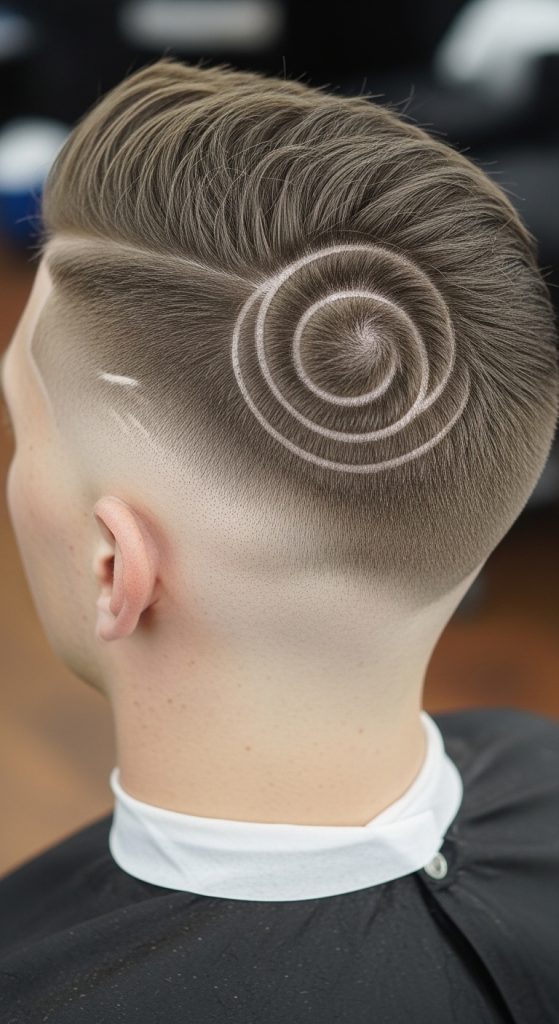
Idea 10: Crown Circle Design
How to Create
 SAVE TO PINTEREST
The crown circle design features a circular pattern placed near the crown area.
The barber uses trimmers to carve a clean circular outline that blends into the fade.
Common Beginner Mistakes and How to Avoid Them
One common mistake when creating freestyle designs is rushing the trimming process. Designs require careful planning and steady hand movement to maintain clean lines. Another issue occurs when the fade is not smooth enough to highlight the pattern.
Practical Tips for Better Results
Using sharp trimmers improves the precision of the design lines. Planning the design placement before cutting also helps maintain symmetry.
Styling, Presentation, or Organization Ideas
Freestyle designs often look best when paired with clean fades and well-maintained hairlines.
Budget or Time Planning
Freestyle haircuts may require maintenance trims every two to three weeks to keep the designs sharp.
Creative Expansion and Advanced Inspiration
Advanced freestyle designs can incorporate multiple shapes, shading techniques, or layered patterns that transform the haircut into detailed barber artistry.

