Freestyle design haircuts have become a popular form of creative expression in modern barbering. These haircuts combine traditional fading techniques with artistic line work, patterns, and custom shapes shaved into the hair.
Pinterest inspiration boards frequently showcase freestyle haircut designs because they highlight individuality and artistic skill while still maintaining structured haircuts. Unlike standard styles, freestyle designs allow barbers to create unique patterns that transform a simple haircut into a personalized visual statement.
The freestyle design haircut usually involves a clean fade or taper as the base structure. Once the foundation haircut is complete, a barber uses precision trimmers to carve patterns or shapes into the faded area. These designs can range from simple geometric lines to more detailed artistic patterns. Because each design can be customized, the haircut becomes a unique creative project tailored to the individual.
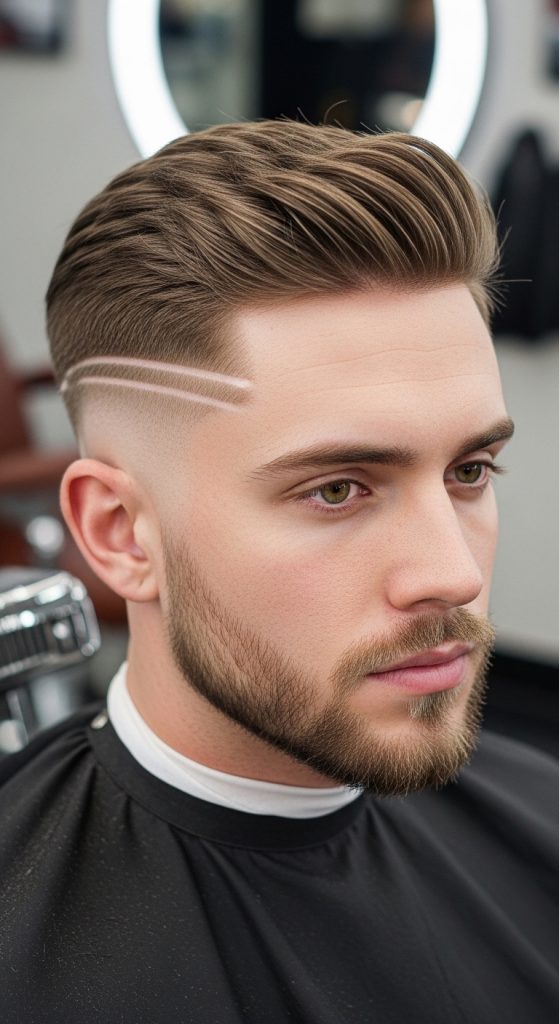
This article presents ten freestyle design haircut ideas that demonstrate different approaches to barber artistry. Each idea explains the design concept and outlines the step by step process used to create the haircut. Readers will gain practical inspiration for creative haircuts that combine modern grooming techniques with artistic detail.
Why This Idea Is Trending or Useful
Freestyle design haircuts are trending on Pinterest because they combine traditional grooming with creative self-expression. Many individuals want haircuts that stand out visually while still maintaining a clean and structured appearance. Freestyle designs achieve this balance by adding artistic elements to classic haircut foundations such as fades, tapers, and short textured tops.
Pinterest ideas often feature these haircuts because they highlight the creativity of barbers and the individuality of the person wearing the design. A freestyle haircut can incorporate geometric shapes, curved lines, or layered patterns that reflect personal style. This flexibility allows the haircut to evolve with new trends while maintaining its artistic foundation.
Another reason these haircuts are widely shared is their accessibility for different hair types and lengths. Most freestyle designs are carved into faded sides or tapered sections, which means the top hair can remain styled in many ways. This adaptability allows individuals to experiment with creative designs while keeping the haircut practical for everyday life.
Materials and Preparation
Creating a freestyle design haircut requires professional barbering tools and careful preparation. The essential tools include electric hair clippers with adjustable guards, precision trimmers, barber scissors, a fine comb, and sectioning clips. A spray bottle filled with water is often used to dampen the hair slightly, making it easier to control during cutting.
Preparation begins by establishing the base haircut. Most freestyle designs are placed on a fade or taper because the gradual transition between hair lengths provides a clean canvas for the design. The barber typically trims the sides and back using clippers to create the desired fade level. This step ensures the design stands out clearly against the surrounding hair.
Once the fade is complete, the barber plans the design placement. The pattern is usually visualized before cutting to maintain balance and symmetry. Some barbers sketch the design lightly with the trimmer before carving deeper lines. Careful planning helps ensure the design remains proportional and aligned with the haircut. Proper preparation is essential for achieving sharp, clean lines in freestyle haircut designs.