Summer protective hairstyles are designed to maintain hair health while ensuring a polished and manageable appearance during warm weather. In modern Pinterest ideas, protective styling focuses on reducing daily manipulation, minimizing exposure to heat and humidity, and preserving moisture. These hairstyles are structured to protect the ends of the hair, which are more prone to damage, while also supporting a neat and aesthetic look suitable for different occasions. Protective styles are not only functional but also serve as creative ideas that reflect personal style through patterns, textures, and structured designs.
This article provides a complete guide to 10 summer protective hairstyles that combine practicality with visual appeal. Readers will learn how to prepare their hair, organize materials, and follow step by step methods to achieve each look. The focus remains on beginner friendly techniques that can be adapted based on hair type and length. Each hairstyle is presented as a creative project that supports both organization and long-term hair care. By following these methods, it becomes possible to maintain healthy hair while achieving a consistent and stylish appearance throughout the summer season.
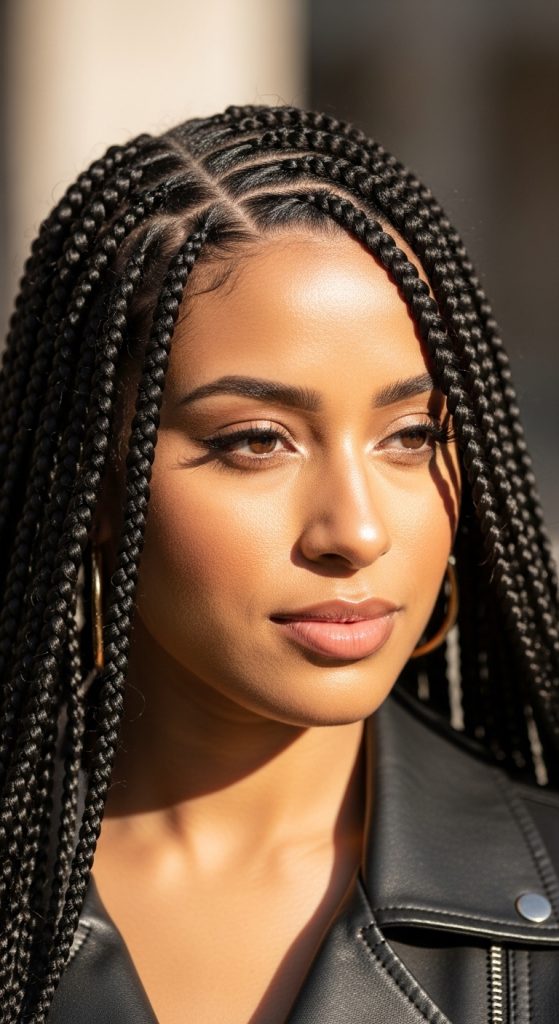
Why This Idea Is Trending or Useful
Summer protective hairstyles are trending because they address common challenges associated with heat, humidity, and frequent styling. Pinterest inspiration highlights styles that reduce breakage, maintain moisture, and provide long-lasting results. These hairstyles are practical because they limit daily handling of the hair, which helps prevent damage and supports overall hair health.
The design relevance of protective styles lies in their ability to combine structure with aesthetic detail. Clean parts, defined patterns, and consistent texture contribute to a modern design that aligns with current trends. The DIY appeal of these styles makes them accessible to a wide audience. Step by step tutorials allow individuals to recreate styles at home without requiring professional assistance.
Accessibility is another key factor. Many protective hairstyles use simple materials and tools, making them suitable for beginners. These styles are adaptable and can be customized based on personal preferences. The combination of functionality, creativity, and ease of execution makes protective hairstyles a consistent feature in trending ideas across home decor and personal styling platforms.
Materials and Preparation
Proper preparation is essential for achieving effective protective hairstyles. Start by washing and conditioning the hair to create a clean and hydrated base. Detangle thoroughly using a wide-tooth comb to reduce breakage during styling. Section the hair into manageable parts to improve organization and accuracy.
Common materials include hair ties, clips, combs, and pins for sectioning and securing the hair. Moisturizing products help maintain hydration, while lightweight styling products can improve hold. Protective accessories such as scarves or wraps are useful for maintaining the hairstyle after completion.
Preparation also involves planning the structure of the hairstyle. Decide on section sizes, parting patterns, and overall design before starting. This ensures consistency throughout the process. Organizing materials in advance helps maintain a smooth workflow and reduces interruptions. Proper lighting and mirror placement improve visibility and accuracy. By following these preparation steps, each hairstyle becomes easier to execute and maintain, ensuring both durability and a balanced aesthetic.
Idea 1: Classic Box Braids Protective Style
How to Create
Classic box braids are a widely used protective hairstyle that involves dividing the hair into square sections and braiding each part individually. This style provides long-term protection by reducing daily manipulation and shielding the hair from environmental stress. It is particularly suitable for summer because it helps maintain moisture and reduces exposure to humidity.