10 Minimal Room Decor Ideas
 SAVE TO PINTEREST
Minimal room decor focuses on creating clean, organized, and visually balanced interiors using simple furniture, neutral color palettes, and purposeful decoration. Many Pinterest ideas highlight minimalist style because it helps rooms feel calmer, brighter, and more spacious without requiring excessive furniture or decorative accessories. Minimal decor is not based on empty spaces alone. Instead, it emphasizes functionality, thoughtful organization, and carefully selected design elements that improve comfort while reducing visual clutter. Modern design trends increasingly favor minimalist interiors because they support easier maintenance, practical living, and timeless aesthetics. Pinterest inspiration often includes floating shelves, neutral textiles, natural materials, layered lighting, and handmade decoration arranged in simple but cohesive layouts.
This article explores ten practical minimal room decor ideas designed for bedrooms, living rooms, apartments, and compact interiors. Readers will learn step by step methods for improving room layouts, selecting balanced decor, organizing furniture, and creating aesthetic spaces using beginner friendly and realistic techniques. Each idea explains how to use simple materials and thoughtful planning to create functional and visually appealing rooms without overcrowding the space. These creative ideas combine home decor, organization, and modern design principles to help readers build relaxing interiors that feel comfortable, clean, and highly practical for everyday living.
Why This Idea Is Trending or Useful
Minimal room decor has become one of the most popular Pinterest ideas because modern homeowners increasingly prefer organized and calming living spaces. Minimalist style interiors reduce visual clutter while improving functionality, making them especially practical for apartments, small homes, and multifunctional rooms. Pinterest inspiration frequently showcases neutral color palettes, compact furniture, hidden storage, and natural textures because these elements create balanced interiors without overwhelming the room. Many people also appreciate minimalist design because it simplifies cleaning, maintenance, and organization while supporting more intentional decorating choices.
Another reason minimal decor remains useful is its flexibility. Minimalist rooms can be adapted to different interior styles, including Scandinavian, boho, modern, or industrial design themes. DIY projects such as floating shelves, handmade wall art, or storage organization systems allow beginners to personalize spaces affordably while maintaining simplicity. Minimal room decor also supports better use of natural lighting and open space, making rooms feel larger and more comfortable. Since minimalist design relies on quality over quantity, decorative items become more meaningful and visually effective. These beginner friendly concepts combine aesthetic presentation, practical organization, and efficient space planning in ways that suit modern lifestyles and changing home environments.
Materials and Preparation
Preparing for a minimal room decor project requires careful planning because minimalist interiors rely heavily on balance, proportion, and organization. Common materials include neutral rugs, floating shelves, indoor plants, textured cushions, curtains, storage baskets, mirrors, simple wall art, wooden furniture, and soft lighting fixtures. Basic tools may include measuring tape, drills, screwdrivers, adhesive hooks, paint supplies, scissors, and storage containers. Pinterest ideas often emphasize natural materials and neutral tones because they create warmth and visual harmony without excessive decoration. Choosing multifunctional furniture is especially important because minimalist rooms prioritize both comfort and practicality.
Preparation should begin by decluttering the room completely and identifying unnecessary items that interrupt visual balance. Measure the space carefully before purchasing furniture or decorative materials to avoid overcrowding. Decide on a consistent palette for walls, furniture, and accessories to maintain cohesion throughout the room. Minimalist style layouts often benefit from open floor space and organized storage systems that reduce visible clutter. Planning lighting placement is also important because layered lighting improves comfort and highlights decorative textures effectively. Budget ideas such as repurposing existing furniture or creating DIY decor can reduce expenses while maintaining aesthetic quality. Through organized preparation and step by step planning, minimal room decor projects become easier to manage and more visually successful.
Idea 1: Neutral Color Minimal Bedroom
How to Create
 SAVE TO PINTEREST
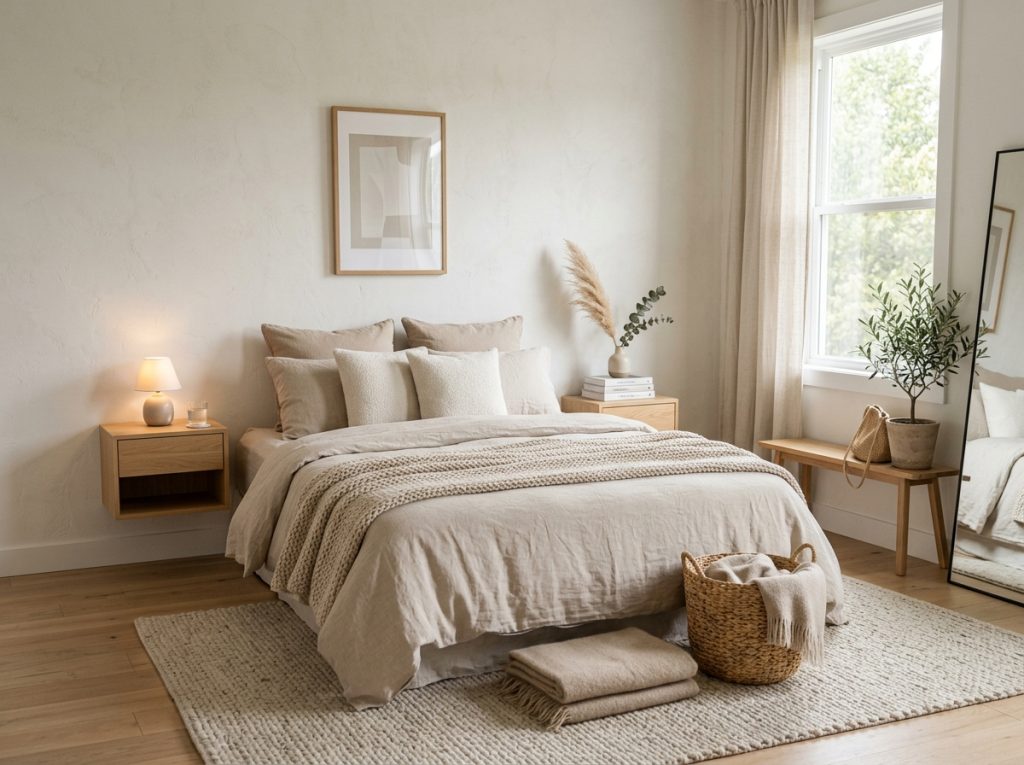
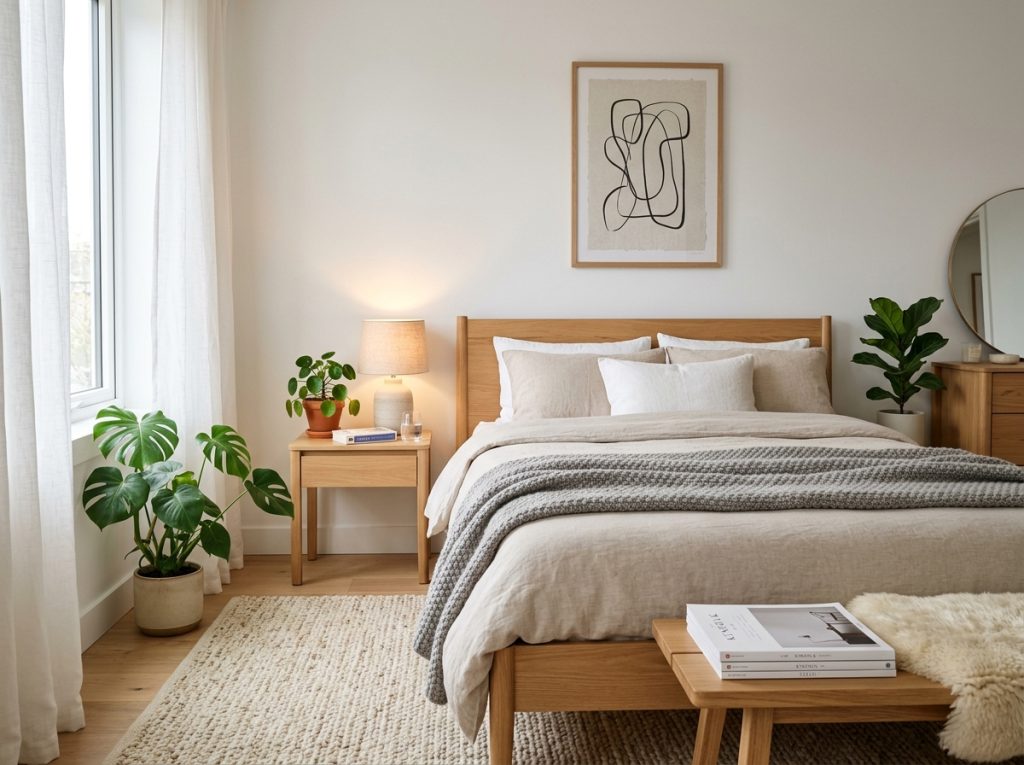
A neutral color bedroom creates a calm and balanced atmosphere by combining soft tones, simple furniture, and uncluttered decoration. Pinterest ideas frequently feature beige, cream, white, gray, and light brown palettes because these colors improve natural light reflection and make rooms feel larger. Minimal bedroom decor focuses on functionality and comfort while reducing unnecessary visual distractions. Layered bedding, textured fabrics, and subtle decorative details add warmth without interrupting the minimalist style. Neutral interiors also support better relaxation because they create softer and more peaceful visual environments.
Creating this setup begins with selecting simple furniture featuring clean lines and compact proportions. Use neutral bedding and curtains to establish visual consistency throughout the room. A textured rug can define the sleeping area while adding softness and comfort underfoot. Floating nightstands or wall-mounted shelves help maintain open floor space while improving organization. Decorative items should remain limited and intentional, such as framed artwork, ceramic vases, or small indoor plants. Warm bedside lighting creates a relaxing atmosphere during evenings while supporting layered illumination. Hidden storage containers can reduce clutter and preserve the room’s clean appearance. Through careful planning and balanced decoration, a neutral minimal bedroom becomes a functional and aesthetically calming space suitable for modern living.
Idea 2: Floating Shelf Wall Decor
Step-by-Step Guide
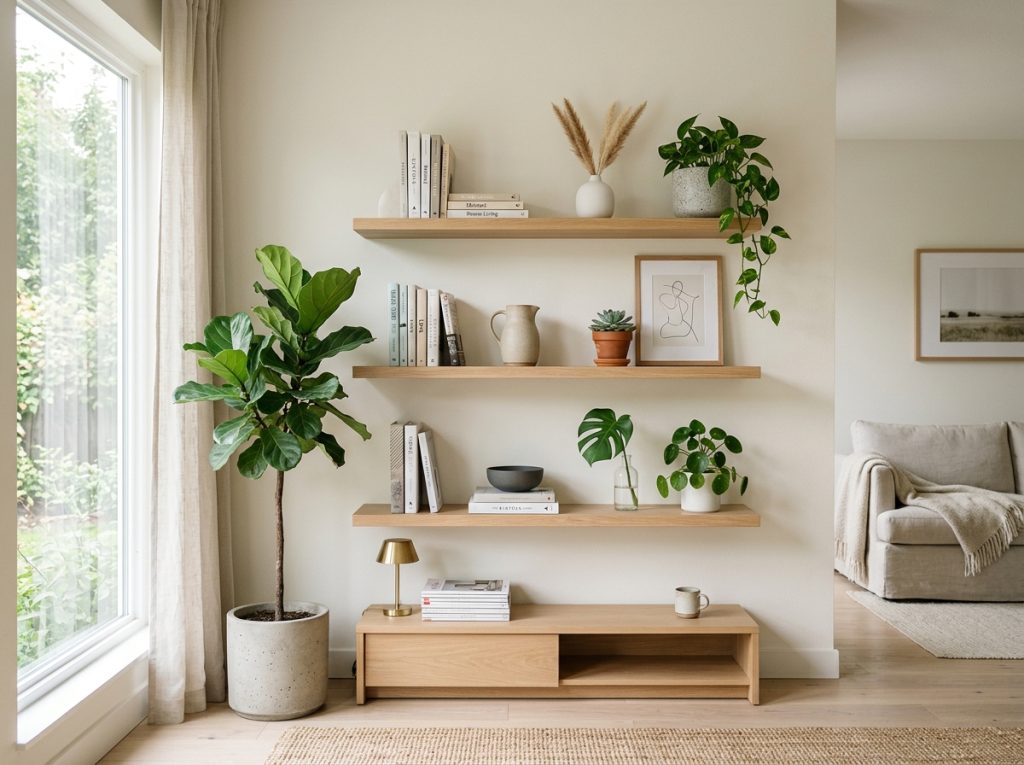
Floating shelves are one of the most practical minimalist decor ideas because they improve organization while preserving floor space and maintaining visual openness. Pinterest inspiration often highlights floating shelf arrangements styled with books, candles, framed artwork, plants, and decorative objects placed in balanced compositions. Minimalist rooms benefit from vertical storage because it reduces bulky furniture while supporting clean and organized layouts. Floating shelves also allow flexible styling that can be updated seasonally without major room changes.
 SAVE TO PINTEREST
To create this decor setup, begin by measuring wall space carefully and selecting shelves proportional to the room size. Install shelves evenly and maintain balanced spacing to support visual symmetry. Style the shelves using a limited number of coordinated decorative elements rather than overcrowding the surfaces. Neutral ceramics, woven baskets, and small indoor plants work especially well within minimalist style interiors. Layered lighting near shelving areas can improve depth and highlight decorative textures effectively. Storage baskets on lower shelves help conceal practical items while maintaining organization. Decorative arrangements should include open space to preserve the clean aesthetic associated with modern design. This easy project combines functional storage, organization, and minimalist home decor within a practical room styling solution.
Idea 3: Minimalist Reading Corner
How to Make
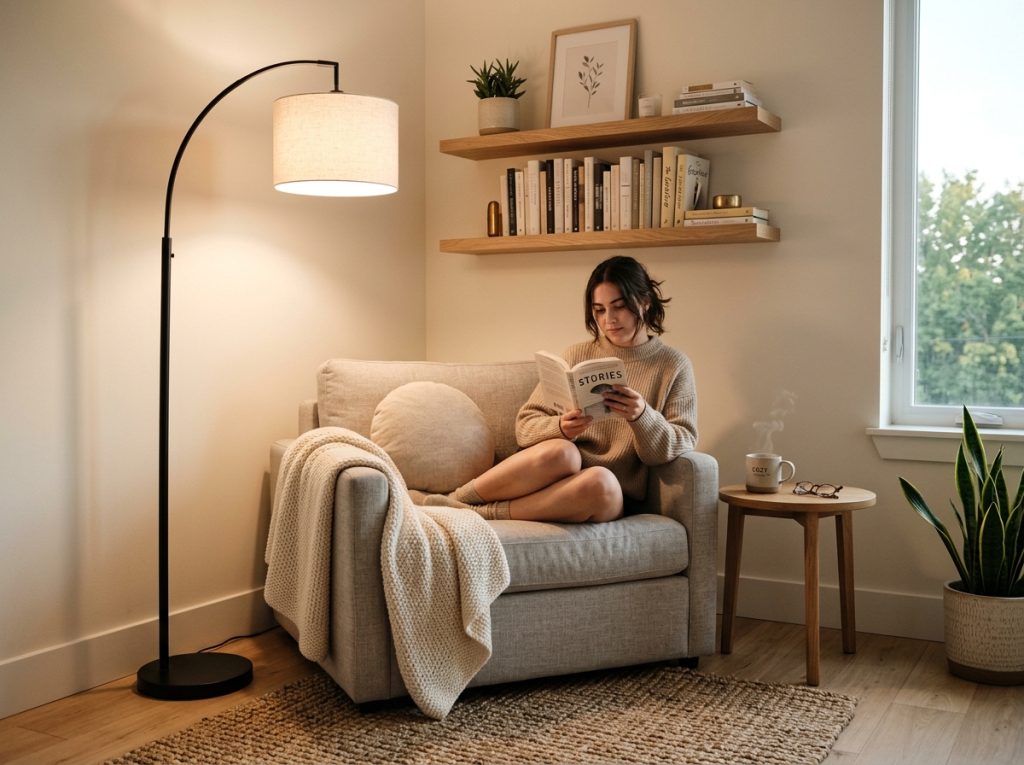
A minimalist reading corner creates a peaceful and functional retreat within a bedroom or living space while maintaining simplicity and visual balance. Pinterest ideas frequently showcase compact chairs, floor cushions, layered textiles, and warm lighting arranged in calm and uncluttered compositions. This concept works especially well in small rooms because it creates a dedicated relaxation area without requiring large furniture or excessive decoration. Neutral tones and soft textures contribute to comfort while supporting minimalist style aesthetics.
 SAVE TO PINTEREST
To organize this reading corner, begin by selecting compact seating suitable for the available space. Position the seating near natural light whenever possible to improve daytime usability. Add a textured blanket and one or two cushions to create comfort while preserving simplicity. A narrow side table or floating shelf can hold books, candles, or small decorative items without interrupting movement. Warm floor lamps or wall-mounted lighting improve evening ambiance and create softer visual layering. Decorative accessories should remain subtle and coordinated to avoid visual clutter. Indoor plants or framed artwork can personalize the area while maintaining balance. This beginner friendly project combines comfort, organization, and aesthetic decor within a simple and relaxing minimalist room design.
Idea 4: Monochrome Living Room Styling
Execution Process
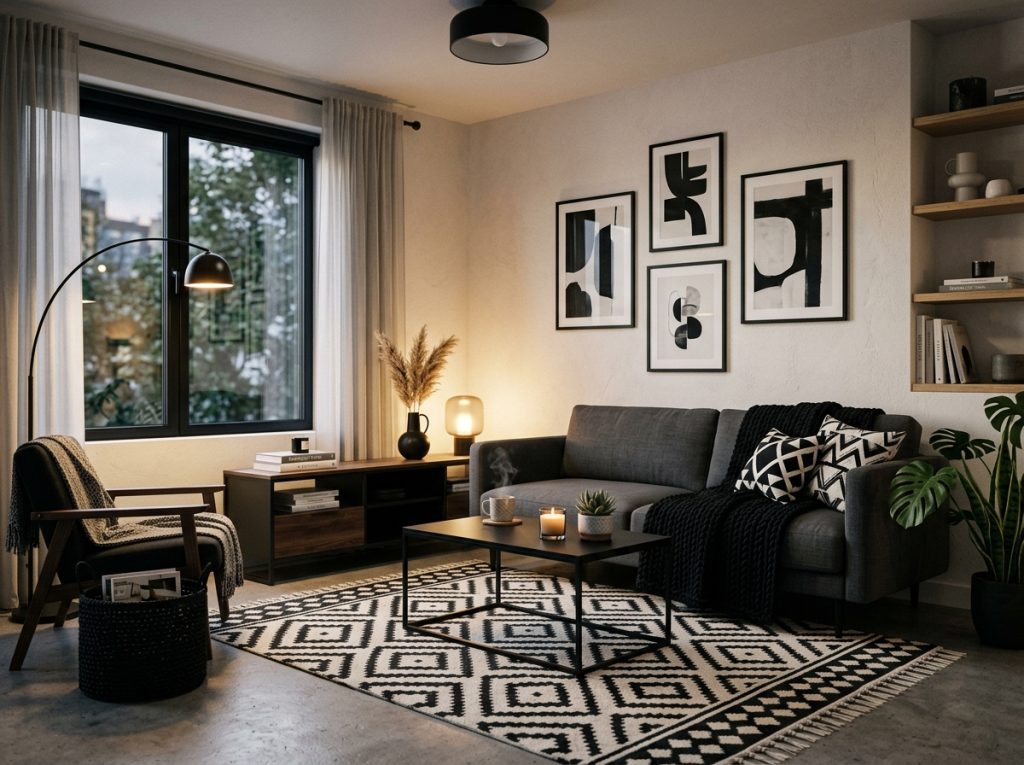
Monochrome living rooms create visually cohesive interiors through controlled color palettes and organized decoration. Pinterest inspiration often features black, white, gray, and beige combinations because monochrome styling helps rooms feel clean, spacious, and sophisticated. Minimal room decor within monochrome spaces relies heavily on texture variation and lighting rather than excessive decorative detail. Layered fabrics, geometric rugs, and subtle contrasts add visual interest while maintaining simplicity. This design style works especially well in compact rooms because consistent colors reduce visual clutter and support modern design aesthetics.
 SAVE TO PINTEREST
Creating this room begins with selecting furniture and textiles within one coordinated color palette. Use different textures such as woven fabrics, matte surfaces, or soft rugs to create depth throughout the room. Decorative items should remain carefully arranged and intentionally selected to maintain balance. Mirrors and reflective surfaces can improve lighting distribution while making the room feel larger. Warm ambient lighting softens monochrome interiors and improves comfort during evenings. Storage solutions should remain hidden or integrated into furniture to preserve clean layouts. Wall art and decorative accents should stay proportional to the room size to avoid overwhelming the space. Through thoughtful styling and organization, monochrome living rooms achieve refined and highly functional minimalist interiors.
Idea 5: Indoor Plant Minimal Decor
Setup Method
 SAVE TO PINTEREST
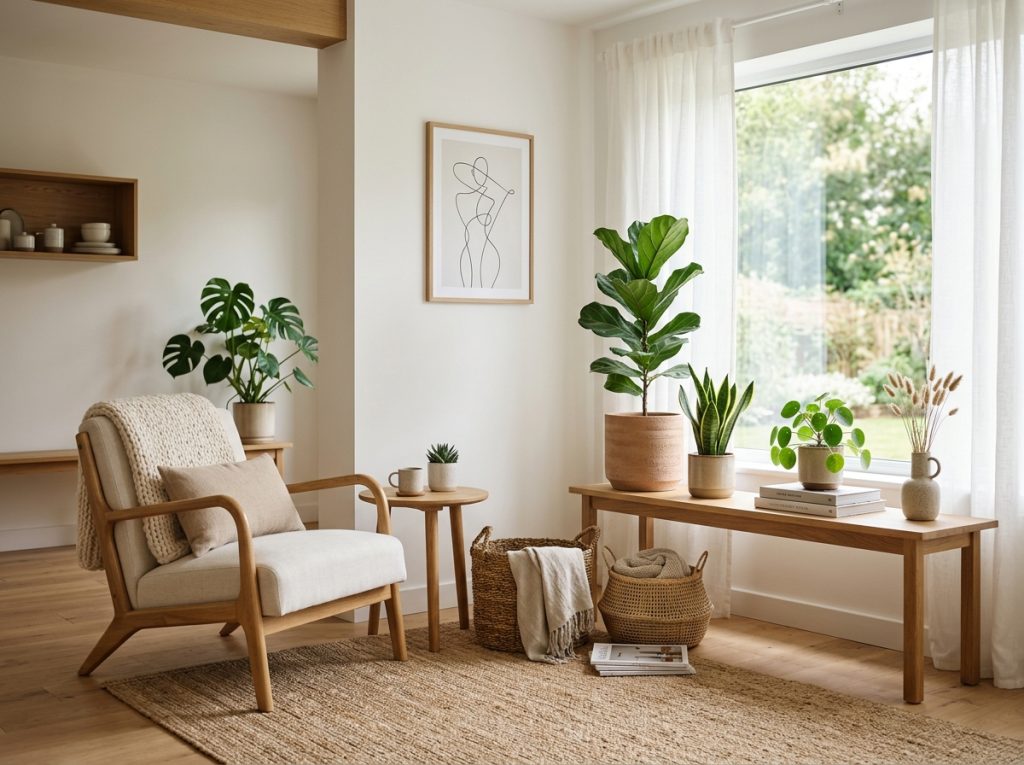
Indoor plants are highly effective minimalist decor elements because they add texture, freshness, and visual softness without creating excessive clutter. Pinterest ideas often highlight greenery paired with neutral furniture, wooden accents, and simple ceramics arranged within balanced layouts. Plants improve air quality and create calming atmospheres while supporting aesthetic home decor trends. Minimalist rooms especially benefit from greenery because plants introduce natural color and movement into otherwise structured environments.
To create this setup, begin by selecting low-maintenance indoor plants suited to the room’s lighting conditions. Arrange taller plants in empty corners and smaller varieties on shelves or side tables to create layered visual depth. Use matching planters or neutral ceramic pots to maintain consistency throughout the room. Natural materials such as woven baskets and wooden trays complement greenery while supporting minimalist style aesthetics. Avoid overcrowding surfaces with too many plants because minimal decor relies on open space and balance. Warm lighting near greenery can improve evening ambiance and highlight natural textures. Regular maintenance and organized placement help preserve the room’s clean appearance. This beginner friendly project combines natural inspiration, home decor, and minimalist organization in a visually calming and practical format.
Idea 6: Simple Wall Art Arrangement
How to Create
 SAVE TO PINTEREST
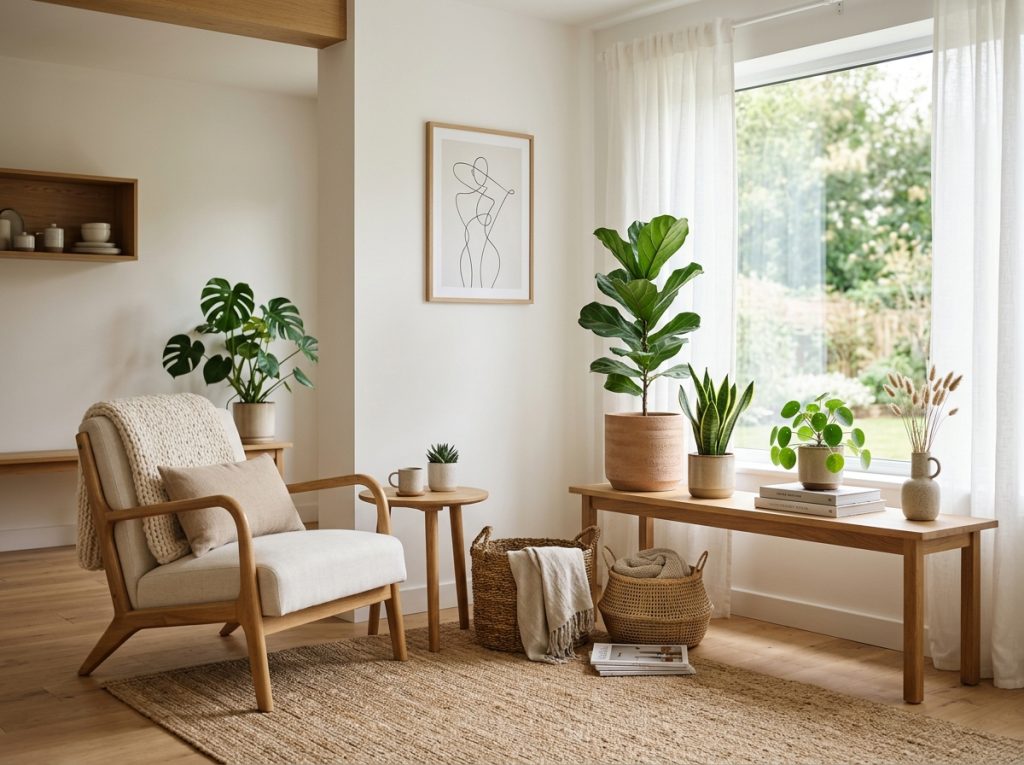
Minimal wall art arrangements create visual interest without overpowering a room’s overall design. Pinterest inspiration often features line drawings, abstract prints, black-and-white photography, and neutral-toned artwork displayed in balanced compositions. Minimalist wall decor relies on spacing, proportion, and simplicity rather than large or heavily detailed decorations. Properly arranged wall art can define focal points and improve room personality while maintaining visual calmness.
To organize this arrangement, begin by selecting artwork within a consistent palette and style. Frames should remain simple and coordinated to preserve cohesion throughout the room. Before hanging pieces, arrange the layout on the floor or use paper templates to test spacing and alignment. Large artwork can function as a single focal point, while smaller pieces work well in symmetrical groupings. Floating shelves may also support interchangeable artwork and decorative objects without damaging walls repeatedly. Neutral walls and uncluttered furniture arrangements help the artwork stand out more effectively. Decorative lighting can highlight framed pieces and create additional depth during evenings. This easy project combines organization, aesthetic decoration, and modern design principles within a minimalist room environment.
Idea 7: Hidden Storage Minimal Room
Step-by-Step Guide
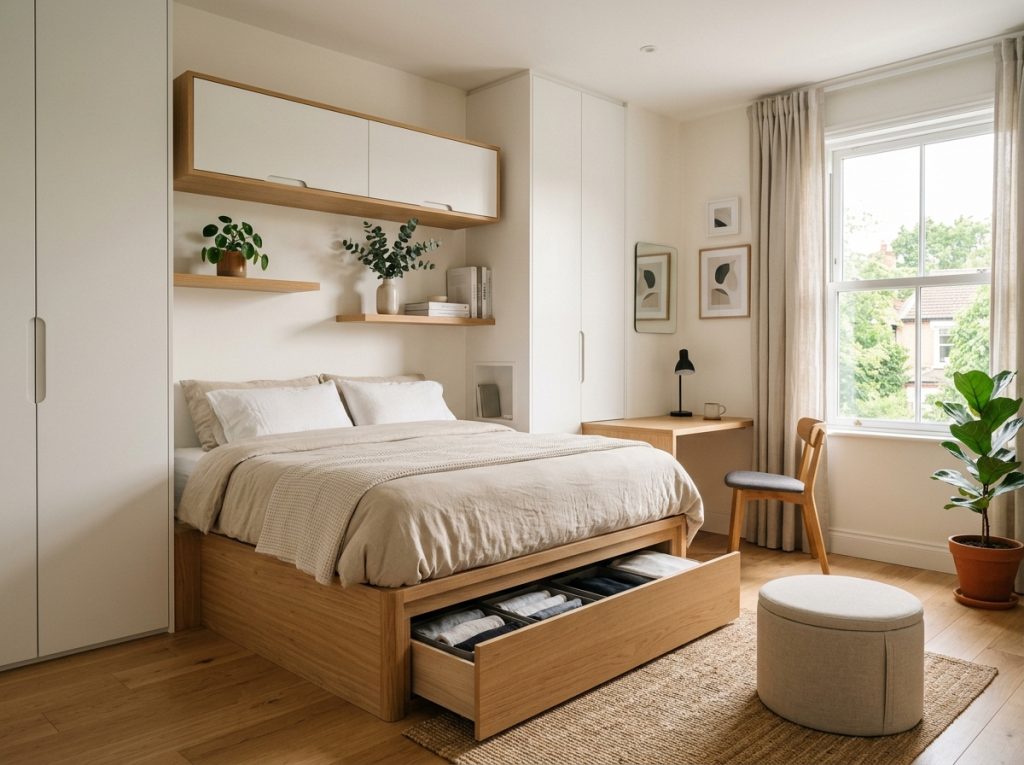
Hidden storage solutions are essential in minimalist rooms because organized spaces appear cleaner, larger, and more comfortable. Pinterest ideas frequently showcase storage ottomans, under-bed drawers, wall-mounted cabinets, and multi-purpose furniture designed to conceal everyday items effectively. Minimalist style interiors depend heavily on reducing visible clutter while maintaining functionality and accessibility. Hidden storage helps preserve open layouts and visual simplicity without sacrificing practicality.
To create this setup, begin by identifying areas where clutter accumulates frequently, such as clothing, electronics, books, or accessories. Select furniture with built-in storage compartments suitable for the room size and layout. Under-bed containers and floating cabinets maximize space efficiency while maintaining open floor areas. Decorative baskets and fabric boxes can organize smaller items while blending naturally with the room’s palette. Furniture placement should preserve movement and prevent overcrowding throughout the space. Neutral tones and coordinated materials support visual harmony and minimalist design consistency. Regular decluttering routines improve long-term organization and help maintain the room’s calm atmosphere. This practical project combines storage efficiency, organization, and modern minimalist decor within highly functional room layouts.
 SAVE TO PINTEREST
Idea 8: Scandinavian Minimal Room Style
How to Make
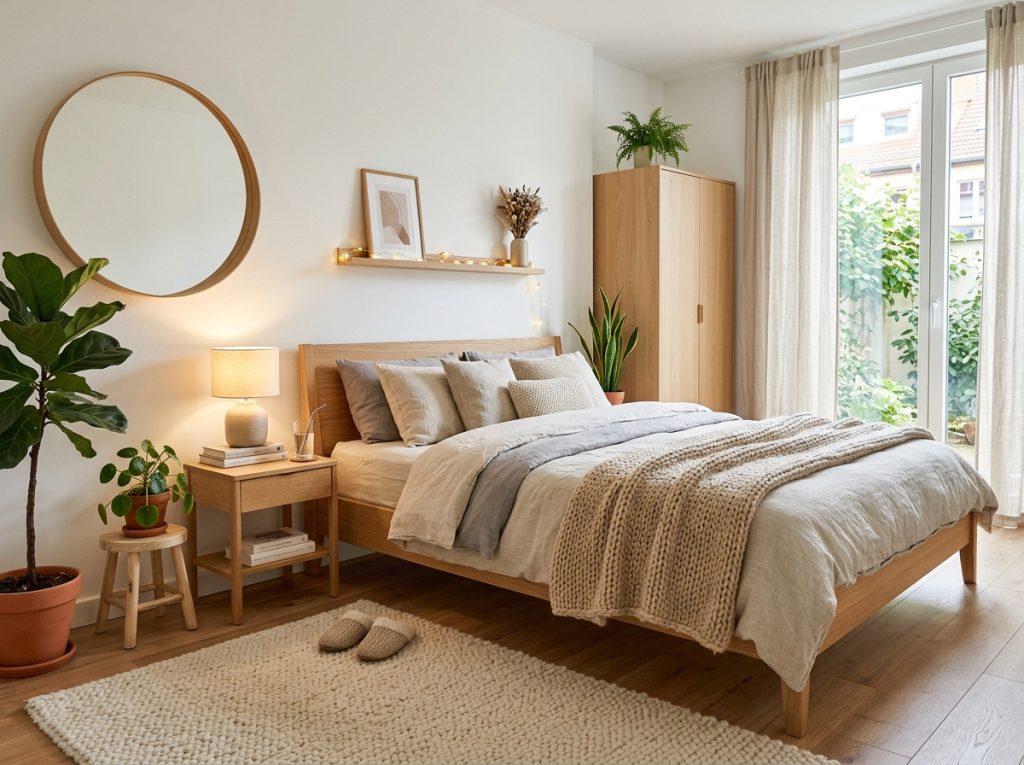
Scandinavian interiors combine functionality, simplicity, and comfort through natural materials, neutral tones, and layered textures. Pinterest inspiration often highlights light wood furniture, white walls, linen textiles, and soft lighting arranged within bright and organized layouts. This design approach works especially well for minimal room decor because it emphasizes openness and visual calmness while maintaining warmth and comfort. Scandinavian-inspired spaces often combine minimalist style with cozy decorative details that create inviting atmospheres.
Creating this room begins with selecting light-colored furniture featuring simple shapes and compact proportions. Soft rugs, textured cushions, and layered blankets add warmth while preserving visual simplicity. Natural lighting should remain a priority through sheer curtains and strategically placed mirrors that reflect brightness throughout the room. Indoor plants and wooden accents contribute texture and support the Scandinavian aesthetic naturally. Decorative accessories should remain limited and purposeful to avoid clutter. Floating shelves and hidden storage improve organization while maintaining open layouts. Warm floor lamps and layered lighting create relaxing evening atmospheres without overwhelming the room visually. This beginner friendly project combines practical organization, modern design, and aesthetic comfort within a clean and highly functional minimalist room style.
 SAVE TO PINTEREST
Idea 9: Minimal Workspace Corner
Execution Process
 SAVE TO PINTEREST
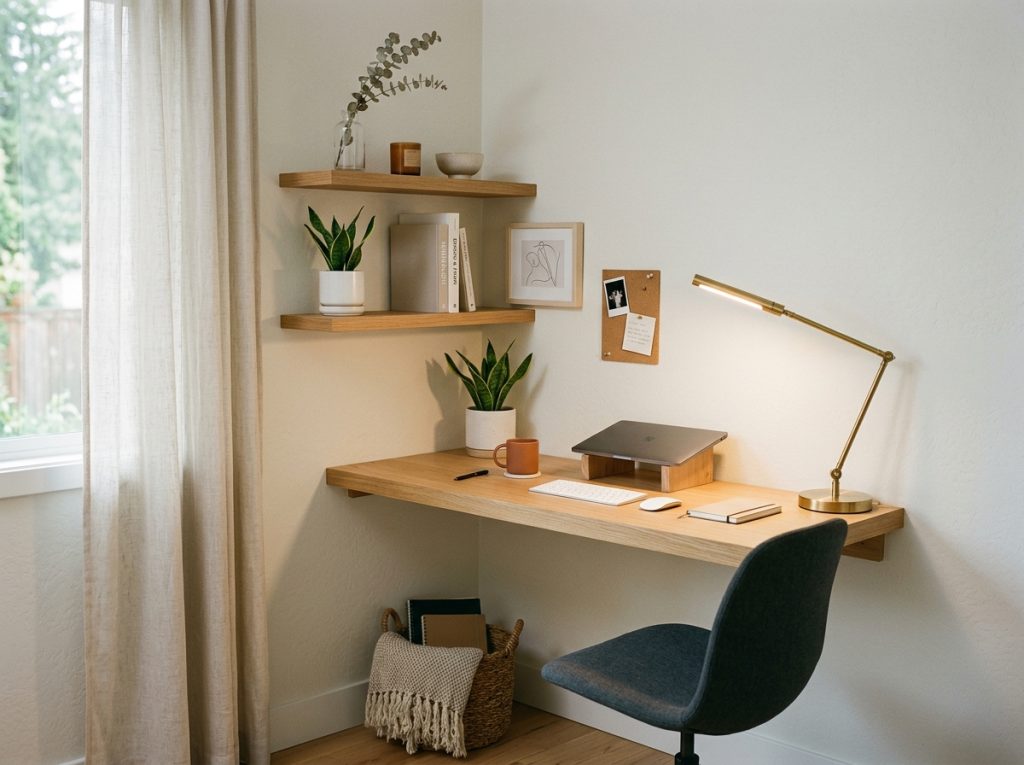
Minimal workspace corners combine productivity and organization within compact rooms while preserving aesthetic balance. Pinterest ideas often showcase slim desks, floating shelves, neutral decor, and organized cable management systems arranged in clean and efficient layouts. Minimal workspace design is especially important in small rooms because cluttered work areas can quickly disrupt comfort and concentration. Modern minimalist workspaces focus on functionality, open surfaces, and calming visual environments that support focus and efficiency.
To create this workspace, begin by selecting a compact desk suitable for the room dimensions. Arrange the workspace near natural light whenever possible to improve comfort and reduce dependence on artificial lighting during the day. Floating shelves or wall organizers can store office supplies while preserving desk space. Neutral tones and simple decorative accents maintain visual harmony and support minimalist aesthetics. Hidden cable organizers and storage containers reduce clutter and improve organization. A single framed print or small indoor plant can personalize the area without overcrowding it. Adjustable task lighting improves productivity while contributing to layered room illumination. This practical project combines home organization, productivity, and aesthetic room decor within a compact minimalist layout.
Idea 10: Warm Lighting Minimal Interior
How to Create
Warm lighting plays a major role in minimalist room decor because lighting strongly influences comfort, atmosphere, and visual depth. Pinterest inspiration often features floor lamps, wall sconces, candles, and hidden LED strips arranged to create soft layered illumination rather than harsh overhead brightness. Minimal interiors rely on lighting to highlight textures, improve relaxation, and create welcoming environments without excessive decoration. Warm lighting also softens neutral palettes and prevents minimalist spaces from feeling cold or empty.
 SAVE TO PINTEREST
To organize this setup, begin by identifying areas requiring task lighting, ambient lighting, or decorative accent lighting. Replace cool-toned bulbs with warm alternatives to create softer atmospheres throughout the room. Floor lamps near seating areas and wall-mounted lighting beside beds or desks improve functionality while maintaining open floor space. LED strips behind shelves or mirrors create subtle visual depth without overwhelming the room. Candles and lanterns can add warmth and decorative texture during evenings. Layering multiple light sources at different heights creates balanced illumination and improves comfort. Decorative fixtures should remain simple and coordinated with the room’s minimalist palette. This easy project combines modern design, practical lighting, and aesthetic presentation within calm and highly functional interiors.
Common Beginner Mistakes and How to Avoid Them
One common mistake in minimal room decor is removing too many decorative elements and creating spaces that feel empty or uncomfortable rather than balanced. Minimalism focuses on intentional design rather than lack of personality. Another issue involves purchasing oversized furniture that overwhelms compact layouts and reduces movement. Inconsistent color palettes and excessive decorative accessories may also disrupt visual harmony and create cluttered appearances. Poor lighting choices can make minimalist rooms feel cold and uninviting instead of calm and relaxing.
These problems can be avoided through careful planning and proportional design decisions. Select furniture appropriate for the room size and maintain open movement throughout the layout. Use neutral palettes consistently while introducing texture variation through fabrics, wood, and natural materials. Decorative items should remain purposeful and visually balanced rather than excessive. Layered warm lighting improves atmosphere and adds depth to minimalist interiors. Hidden storage systems help preserve organization while reducing visible clutter. Gradual decorating also allows better control over room balance and budget planning. Through thoughtful organization and simple styling methods, beginners can create minimalist rooms that feel functional, welcoming, and aesthetically refined.
Practical Tips for Better Results
Strong minimalist room decor results often depend on organization and thoughtful styling rather than expensive furniture or complex decoration. One useful strategy is maximizing vertical space through floating shelves, wall-mounted lighting, and hanging plants. This preserves open floor areas while improving storage and visual depth. Multi-purpose furniture such as storage benches or foldable desks also increases functionality within compact rooms. Layered textures through rugs, cushions, and curtains create warmth without disrupting minimalist balance.
Lighting should be treated as a central design feature because warm illumination strongly affects comfort and atmosphere. Mirrors can improve natural light reflection and help compact rooms feel larger. Decorative objects should remain proportional to the room size and arranged intentionally to avoid clutter. Indoor plants introduce freshness and soften structured layouts naturally. Organized storage systems reduce visual distractions and support long-term room maintenance. Regular decluttering routines are equally important because clean spaces preserve minimalist aesthetics more effectively. Through practical planning and balanced decoration, minimalist rooms become highly functional, visually calming, and easier to maintain over time.
Styling, Presentation, or Organization Ideas
Styling a minimalist room successfully requires balancing comfort, simplicity, and organization. Open surfaces and visible floor space help maintain visual calmness while making rooms feel more spacious. Pinterest ideas commonly feature grouped decorative objects, layered neutral fabrics, and coordinated accessories arranged with intentional spacing. Texture variation through woven baskets, linen fabrics, ceramic decor, and wooden accents adds depth without excessive decoration.
Presentation also improves through thoughtful furniture placement and layered lighting arrangements. Seating and storage should remain functional while preserving open movement around the room. Decorative trays can organize candles, books, or small accessories while maintaining cleaner surfaces. Multi-purpose furniture helps reduce clutter and improve organization without disrupting minimalist style. Plants placed at different heights create natural visual balance and softness throughout the room. Wall art should remain proportional and coordinated with the room palette to preserve simplicity. Through organized styling and balanced presentation, minimal room decor becomes more inviting, aesthetically refined, and practical for everyday living.
Budget or Time Planning
Minimal room decor projects can be completed gradually without major financial investment. Budget planning should focus first on high-impact improvements such as decluttering, lighting, and furniture arrangement before purchasing decorative accessories. Rearranging existing furniture or creating DIY home decor can significantly improve room appearance with minimal cost. Handmade wall art, repurposed storage baskets, and secondhand furniture also provide affordable ways to personalize minimalist interiors while maintaining simplicity.
Time planning is equally important because redesigning rooms becomes more manageable when divided into smaller stages. One phase may focus on organization while another addresses lighting or decorative styling. Measuring furniture carefully before purchase prevents layout problems and saves time during setup. Seasonal decorative updates can refresh minimalist spaces without requiring complete redesigns. Preparing materials in advance also helps reduce stress and maintain smoother project progress. Through organized planning and budget-friendly decorating strategies, minimalist room decor can be achieved efficiently while maintaining comfort, balance, and long-term practicality.
Creative Expansion and Advanced Inspiration
Once foundational minimalist decor improvements are complete, additional creative ideas can further improve room comfort and visual appeal. Pinterest inspiration often combines layered lighting, custom shelving, natural textures, and multifunctional furniture to create more immersive and personalized minimalist interiors. Seasonal decor updates and handmade decorative accents provide opportunities for customization while maintaining consistent design themes. Advanced organization systems such as concealed storage walls or modular furniture arrangements can also improve room efficiency significantly.
Creative expansion may involve integrating reading corners, indoor gardens, or workspace areas into one cohesive minimalist layout. Smart lighting systems and adjustable furniture arrangements increase flexibility for different activities and moods. Decorative textures such as woven fabrics, ceramic accessories, and natural wood surfaces add sophistication while preserving simplicity. Accent walls or floating storage systems can introduce visual interest without overwhelming the room. Through gradual experimentation and thoughtful inspiration, minimalist rooms can evolve into highly personalized spaces that combine practical organization, aesthetic presentation, and everyday comfort.