Minimal wall art arrangements create visual interest without overpowering a room’s overall design. Pinterest inspiration often features line drawings, abstract prints, black-and-white photography, and neutral-toned artwork displayed in balanced compositions. Minimalist wall decor relies on spacing, proportion, and simplicity rather than large or heavily detailed decorations. Properly arranged wall art can define focal points and improve room personality while maintaining visual calmness.
To organize this arrangement, begin by selecting artwork within a consistent palette and style. Frames should remain simple and coordinated to preserve cohesion throughout the room. Before hanging pieces, arrange the layout on the floor or use paper templates to test spacing and alignment. Large artwork can function as a single focal point, while smaller pieces work well in symmetrical groupings. Floating shelves may also support interchangeable artwork and decorative objects without damaging walls repeatedly. Neutral walls and uncluttered furniture arrangements help the artwork stand out more effectively. Decorative lighting can highlight framed pieces and create additional depth during evenings. This easy project combines organization, aesthetic decoration, and modern design principles within a minimalist room environment.
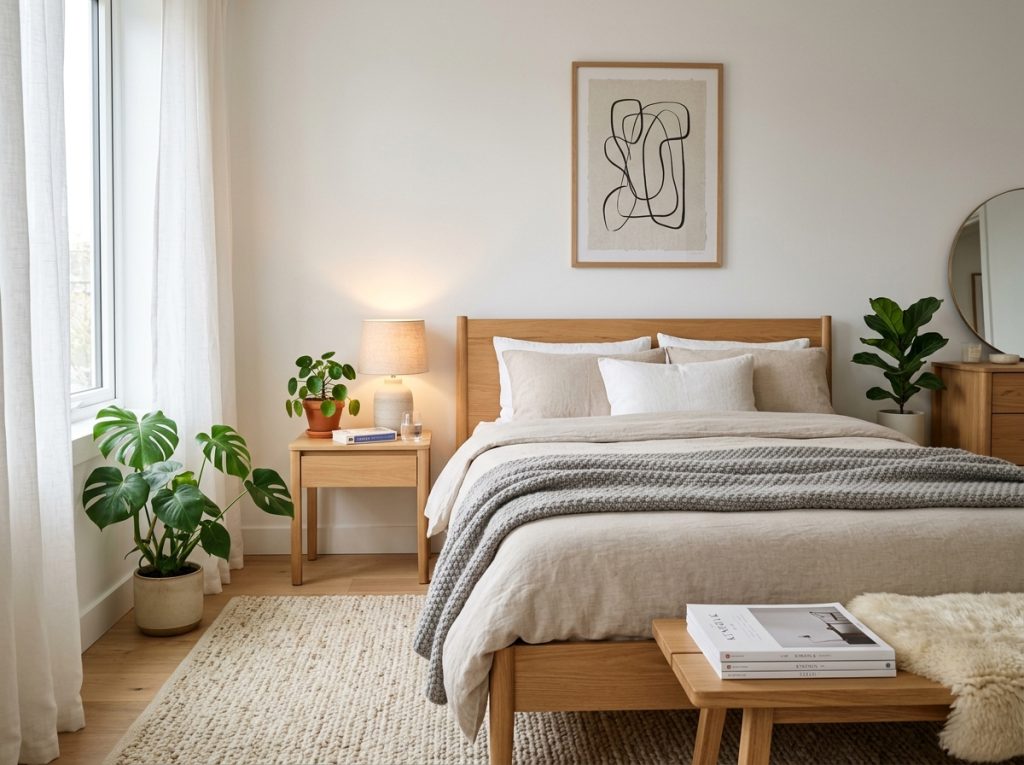
Idea 7: Hidden Storage Minimal Room
Step-by-Step Guide
Hidden storage solutions are essential in minimalist rooms because organized spaces appear cleaner, larger, and more comfortable. Pinterest ideas frequently showcase storage ottomans, under-bed drawers, wall-mounted cabinets, and multi-purpose furniture designed to conceal everyday items effectively. Minimalist style interiors depend heavily on reducing visible clutter while maintaining functionality and accessibility. Hidden storage helps preserve open layouts and visual simplicity without sacrificing practicality.
To create this setup, begin by identifying areas where clutter accumulates frequently, such as clothing, electronics, books, or accessories. Select furniture with built-in storage compartments suitable for the room size and layout. Under-bed containers and floating cabinets maximize space efficiency while maintaining open floor areas. Decorative baskets and fabric boxes can organize smaller items while blending naturally with the room’s palette. Furniture placement should preserve movement and prevent overcrowding throughout the space. Neutral tones and coordinated materials support visual harmony and minimalist design consistency. Regular decluttering routines improve long-term organization and help maintain the room’s calm atmosphere. This practical project combines storage efficiency, organization, and modern minimalist decor within highly functional room layouts.