Minimal room decor focuses on creating clean, organized, and visually balanced interiors using simple furniture, neutral color palettes, and purposeful decoration. Many Pinterest ideas highlight minimalist style because it helps rooms feel calmer, brighter, and more spacious without requiring excessive furniture or decorative accessories. Minimal decor is not based on empty spaces alone. Instead, it emphasizes functionality, thoughtful organization, and carefully selected design elements that improve comfort while reducing visual clutter. Modern design trends increasingly favor minimalist interiors because they support easier maintenance, practical living, and timeless aesthetics. Pinterest inspiration often includes floating shelves, neutral textiles, natural materials, layered lighting, and handmade decoration arranged in simple but cohesive layouts.
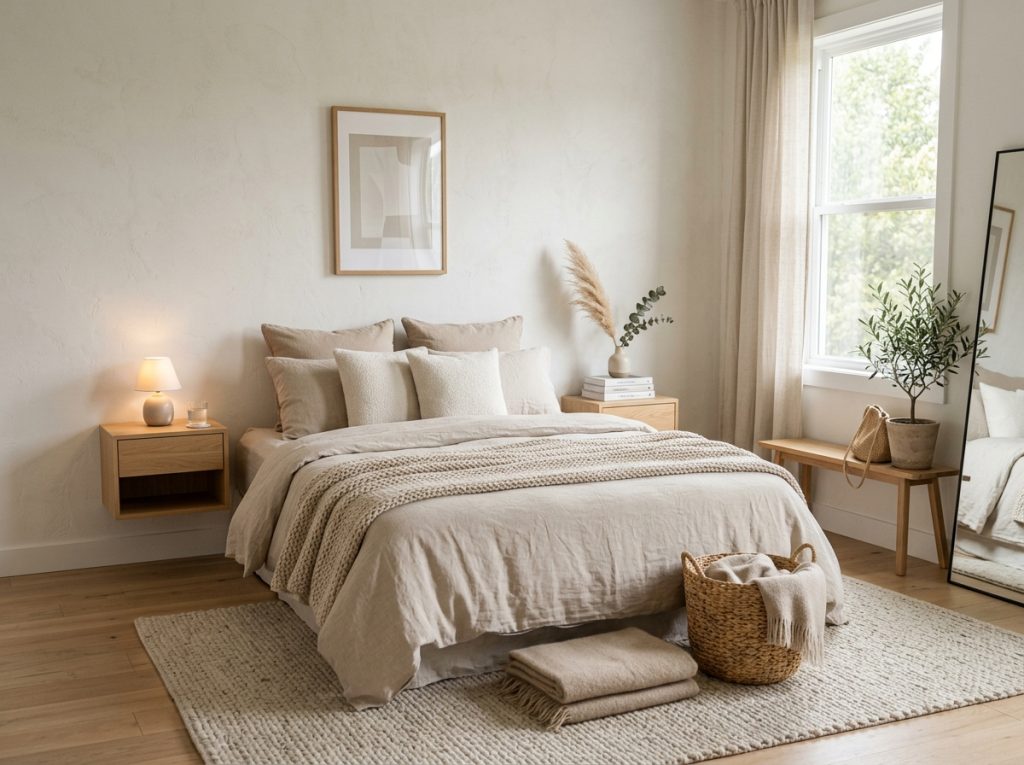
This article explores ten practical minimal room decor ideas designed for bedrooms, living rooms, apartments, and compact interiors. Readers will learn step by step methods for improving room layouts, selecting balanced decor, organizing furniture, and creating aesthetic spaces using beginner friendly and realistic techniques. Each idea explains how to use simple materials and thoughtful planning to create functional and visually appealing rooms without overcrowding the space. These creative ideas combine home decor, organization, and modern design principles to help readers build relaxing interiors that feel comfortable, clean, and highly practical for everyday living.
Why This Idea Is Trending or Useful
Minimal room decor has become one of the most popular Pinterest ideas because modern homeowners increasingly prefer organized and calming living spaces. Minimalist style interiors reduce visual clutter while improving functionality, making them especially practical for apartments, small homes, and multifunctional rooms. Pinterest inspiration frequently showcases neutral color palettes, compact furniture, hidden storage, and natural textures because these elements create balanced interiors without overwhelming the room. Many people also appreciate minimalist design because it simplifies cleaning, maintenance, and organization while supporting more intentional decorating choices.
Another reason minimal decor remains useful is its flexibility. Minimalist rooms can be adapted to different interior styles, including Scandinavian, boho, modern, or industrial design themes. DIY projects such as floating shelves, handmade wall art, or storage organization systems allow beginners to personalize spaces affordably while maintaining simplicity. Minimal room decor also supports better use of natural lighting and open space, making rooms feel larger and more comfortable. Since minimalist design relies on quality over quantity, decorative items become more meaningful and visually effective. These beginner friendly concepts combine aesthetic presentation, practical organization, and efficient space planning in ways that suit modern lifestyles and changing home environments.
Materials and Preparation
Preparing for a minimal room decor project requires careful planning because minimalist interiors rely heavily on balance, proportion, and organization. Common materials include neutral rugs, floating shelves, indoor plants, textured cushions, curtains, storage baskets, mirrors, simple wall art, wooden furniture, and soft lighting fixtures. Basic tools may include measuring tape, drills, screwdrivers, adhesive hooks, paint supplies, scissors, and storage containers. Pinterest ideas often emphasize natural materials and neutral tones because they create warmth and visual harmony without excessive decoration. Choosing multifunctional furniture is especially important because minimalist rooms prioritize both comfort and practicality.
Preparation should begin by decluttering the room completely and identifying unnecessary items that interrupt visual balance. Measure the space carefully before purchasing furniture or decorative materials to avoid overcrowding. Decide on a consistent palette for walls, furniture, and accessories to maintain cohesion throughout the room. Minimalist style layouts often benefit from open floor space and organized storage systems that reduce visible clutter. Planning lighting placement is also important because layered lighting improves comfort and highlights decorative textures effectively. Budget ideas such as repurposing existing furniture or creating DIY decor can reduce expenses while maintaining aesthetic quality. Through organized preparation and step by step planning, minimal room decor projects become easier to manage and more visually successful.